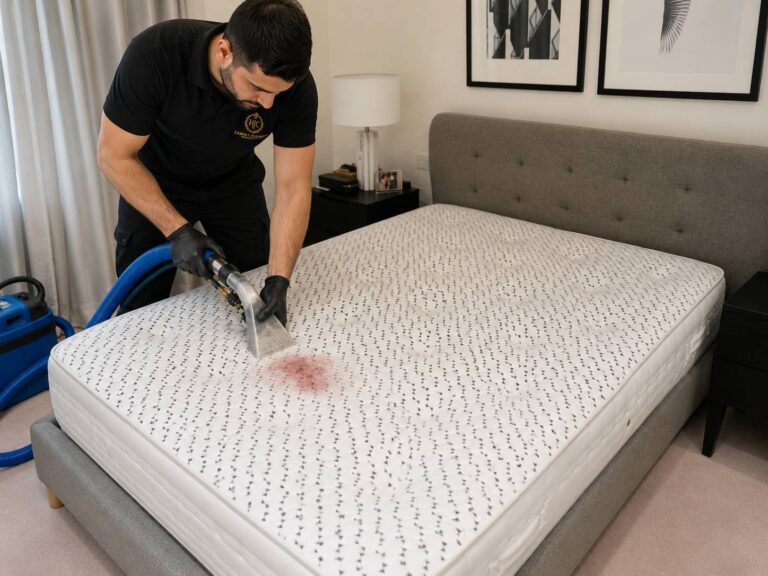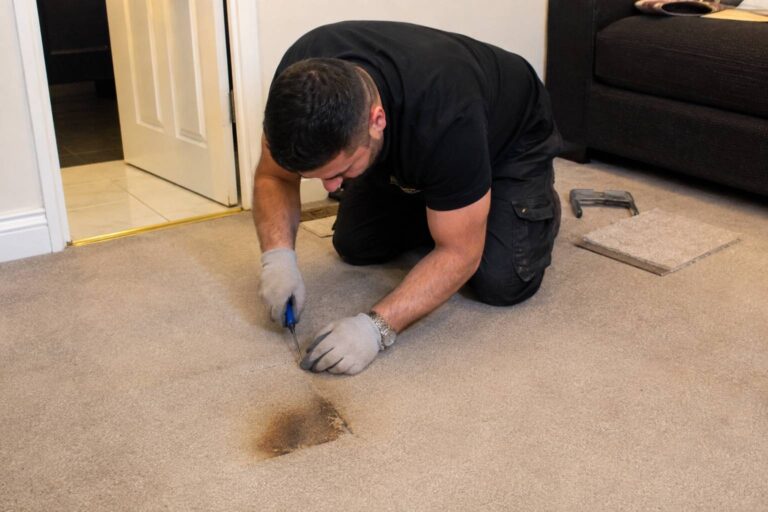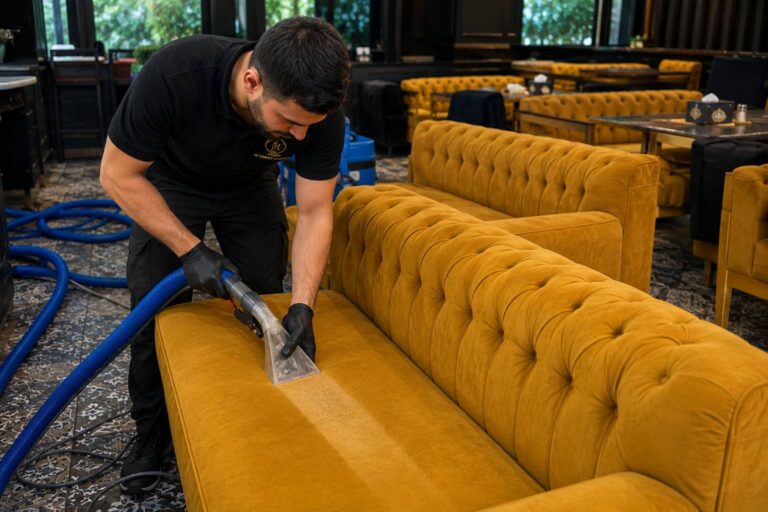
Silk carpets and rugs require a more careful approach than standard synthetic or wool floor coverings. Natural silk can be sensitive to excessive moisture, heat, abrasion and unsuitable chemicals, while materials sold as “artificial silk” can present their own cleaning risks.
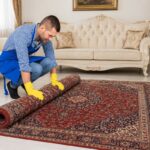
At Hi Carpet Cleaner (HiCC), every silk carpet or rug is assessed individually. We inspect the fibre, dyes, backing, construction, stains and existing condition before selecting an appropriate treatment. Removable rugs may be cleaned on-site or off-site, depending on their condition and requirements, while fitted silk carpets are treated on-site.
Pricing depends on the item’s size, construction, condition and treatment requirements. Our rug cleaning cost in London guide explains the range.
Need an initial assessment? Send us clear photos of the front, back, label, dimensions and any stained areas via WhatsApp.

For fibres this delicate, always choose a specialist rug cleaning service.
Is Your Carpet Made from Real Silk?
Not every smooth or shiny carpet is made from natural silk. Many rugs marketed as silk, art silk or bamboo silk are manufactured using fibres such as:
- Viscose
- Rayon
- Bamboo-derived viscose
- Blended synthetic fibres
- Natural silk mixed with wool or cotton
Natural silk and viscose can look similar, but they do not always respond to cleaning in the same way. Viscose, for example, may be especially vulnerable to moisture marks, texture changes, browning and distortion.
Appearance alone is not always enough to identify the fibre accurately. The care label, pile construction, backing, fringe and manufacturing method must also be considered. For handmade, Persian, Oriental or antique rugs, the foundation and dyes may be just as important as the visible pile.
A specialist assessment is therefore necessary before treatment begins. Avoid attempting burn tests or other DIY fibre-identification methods, as these can permanently damage the rug.
If inspection reveals fringe, edge or pile damage, review typical rug repair costs in London before authorising restoration.
Owners of handmade pieces may also find How to clean a Persian rug guide helpful when planning routine maintenance.
Why Silk Carpets Require Specialist Cleaning
Silk fibres are fine, smooth and highly reflective. This gives a silk carpet its distinctive appearance, but it also means that unsuitable cleaning techniques can alter its colour, texture or sheen.
Potential risks include:
Dye migration and colour bleeding
Some handmade and naturally dyed rugs may release colour when exposed to moisture or an unsuitable cleaning solution. Colourfastness testing helps the technician understand how stable the dyes are before treating a larger area.
Watermarks and browning
Excess moisture, uneven wetting or uncontrolled drying can leave visible marks. These risks may also be greater in viscose and rayon rugs.
Fibre distortion
Aggressive brushing, high pressure or unsuitable extraction can flatten, roughen or distort delicate fibres. The direction of the pile should also be considered during treatment and grooming.
Shrinkage or loss of shape
The pile, foundation, backing and fringe may react differently to moisture. A method that appears suitable for the surface could still affect the structure of the rug.
Fringe and foundation damage
Hand-knotted rugs often have structural fringe rather than decorative fringe. Pulling, scrubbing or over-wetting these areas can weaken the rug.
Changes caused by previous treatments
Household stain removers, detergents, bleach, deodorising products and previous cleaning attempts can affect how the item responds to professional treatment.
These risks do not mean that every silk item cannot be cleaned. They mean that the process must be selected after inspection and testing rather than applying the same method to every carpet or rug.
You can also read the article DIY Carpet Cleaning vs Hiring a Pro in London for more insights on the difference between DIY and professional cleaning services.
If you’re considering professional silk carpet cleaning, our carpet cleaning cost guide explains the factors that can influence pricing.

Some marks need expert care, so see what types of stains can professional carpet cleaning remove safely from fine rugs.
How Professional Silk Carpet Cleaning Works?
Hi Carpet Cleaner uses an assessment-led process for silk, viscose and other delicate rugs. The exact steps may vary according to the item, but the service generally includes the following stages.
1. Initial inspection
Before recommending a treatment, the technician assesses:
- Fibre type and composition
- Whether the item is handmade or machine-made
- Pile direction and texture
- Backing and foundation
- Fringe condition
- Existing wear, fading or repairs
- Stain type and age
- Previous cleaning attempts
- Odours or contamination
- Manufacturer or care-label instructions
Pre-existing damage is identified before work begins so that the customer understands the condition of the item and the realistic treatment objectives.
2. Fibre, pH and dye testing
Colourfastness and spot tests are carried out to assess how the dyes and fibres may respond. pH testing may also be used when selecting suitable products and evaluating residues from previous treatments.
These tests help determine whether a proposed cleaning solution could contribute to dye movement, texture changes or other unwanted reactions.
Testing reduces uncertainty, but no responsible specialist should claim that all risks can be eliminated completely. Delicate and previously damaged items must always be approached cautiously.
3. Careful dry-soil removal
Loose dust, grit and dry soil should be removed before applying a cleaning treatment. Soil trapped within the pile can contribute to abrasion and may become more difficult to remove once damp.
The technique used depends on the rug’s construction and condition. Excessively aggressive vacuuming or brushing is avoided, particularly around worn pile, loose fibres, repairs and fringe.
4. Selecting the cleaning method
There is no universal cleaning method for every silk carpet or rug.
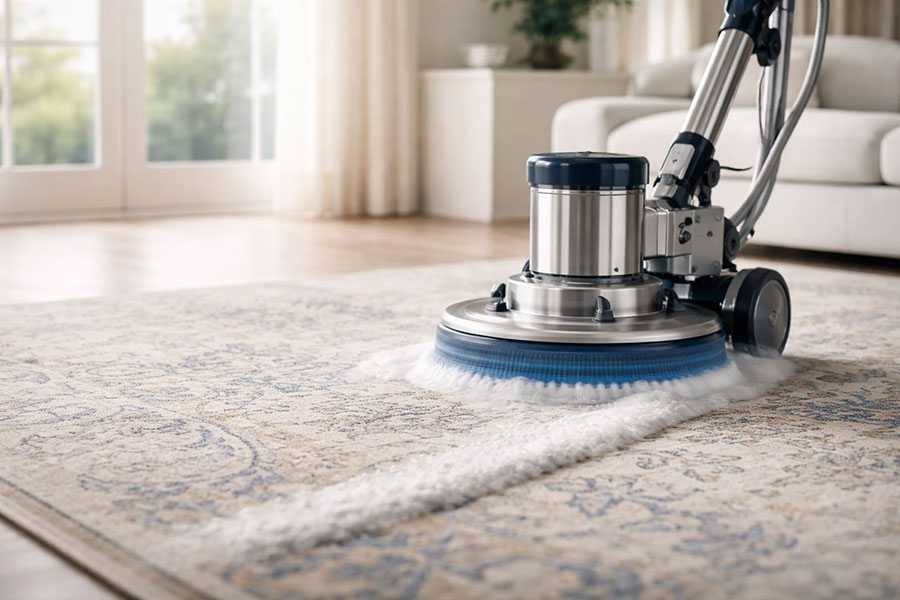
Depending on the inspection and test results, the treatment may involve a controlled low-moisture process, a dry-compound method or another specialist technique. Natural silk, viscose and blended fibres may require different products, moisture levels and handling procedures.
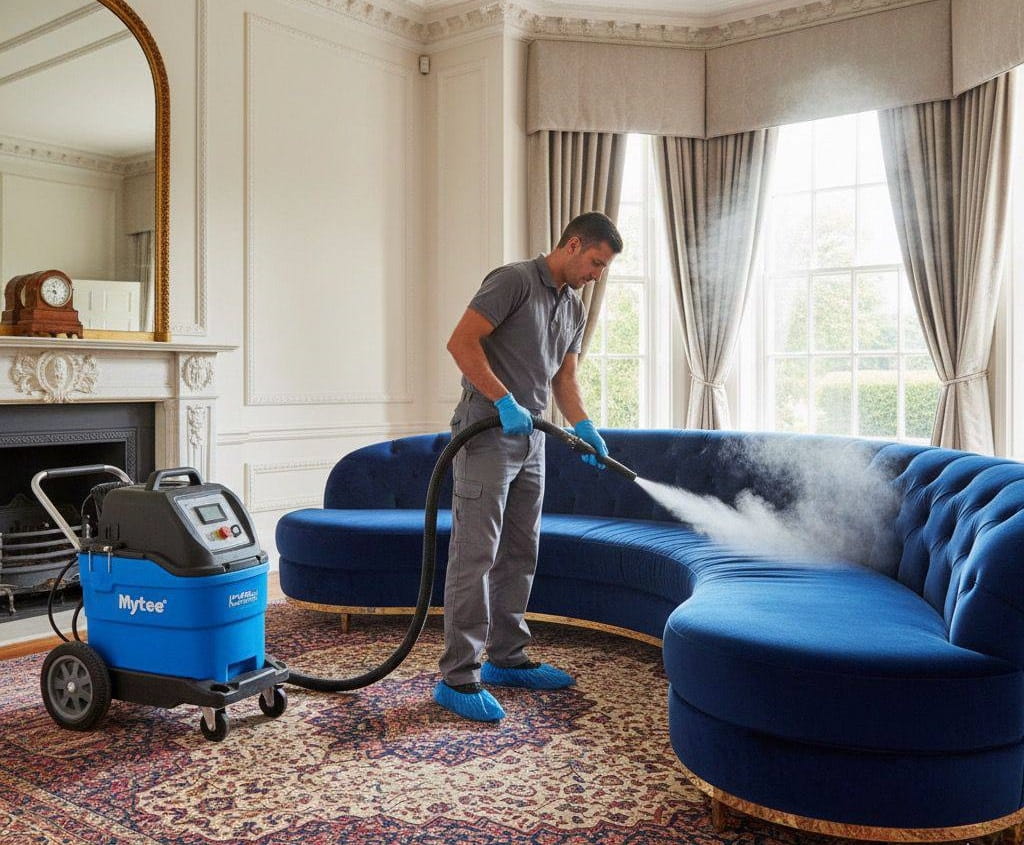
Removable rugs can be treated on-site or off-site where appropriate. Fitted silk carpets are cleaned on-site after the access, ventilation, fibre and surrounding surfaces have been assessed.
Where requested and suitable for the item, eco-certified products that are independently certified as pet- and child-safe can be used.
5. Targeted stain treatment
Stain removal is treated as a separate part of the process. The product and technique must be selected according to:
- The substance that caused the stain
- How long the stain has been present
- Previous products applied
- Fibre and dye stability
- Whether the stain has chemically altered the fibre
- The condition of the affected area
Light spot treatment may be included with the main cleaning service where appropriate. More complex or specialist stain removal is quoted separately.
Stains should be assessed rather than automatically described as removable. Some substances can permanently change the colour or structure of silk and viscose fibres.
6. Controlled drying and final inspection
Drying conditions are managed according to the treatment method, rug thickness, backing and location. Ventilation, room temperature and the amount of controlled moisture used can all affect the drying period.
After treatment, the technician checks the item’s:
- Colour stability
- Pile appearance and direction
- Texture
- Fringe condition
- Stained areas
- Overall finish
Drying time is confirmed as accurately as possible after the item has been inspected and the cleaning method selected.
While specialist cleaning can safely refresh silk carpets, physical damage may require expert carpet repair to restore their appearance and integrity.
Can Silk Carpets Be Steam Cleaned?
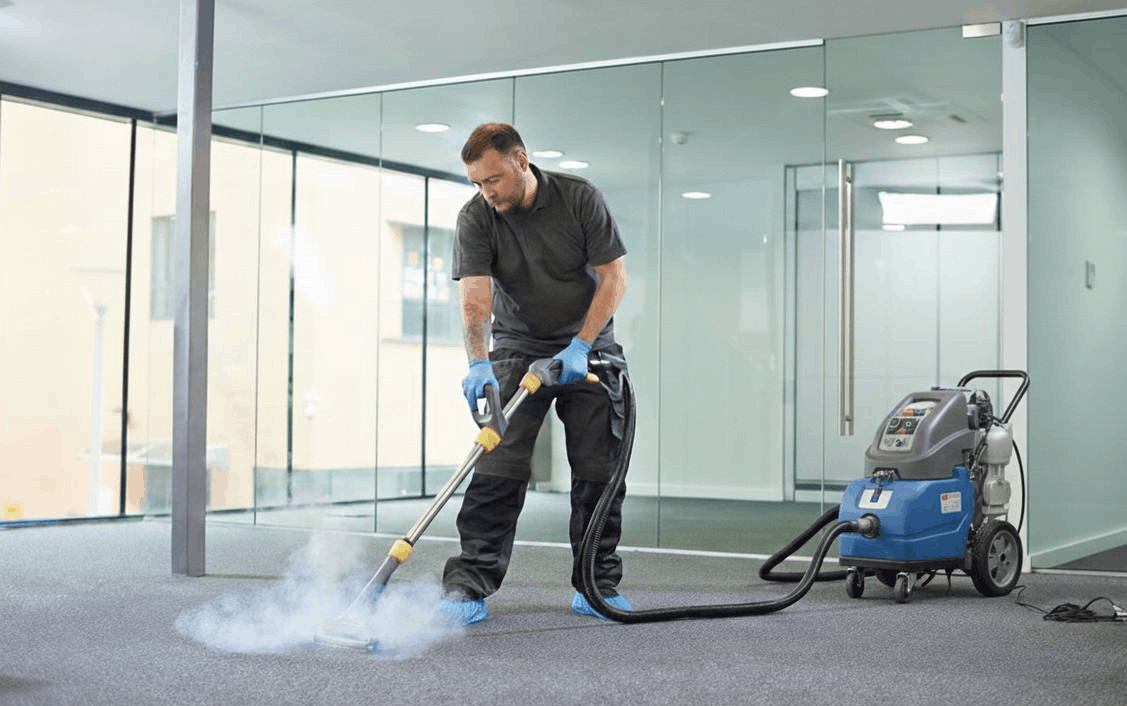
Steam cleaning or hot-water extraction should not be treated as the default method for silk.
Whether an extraction-based process is appropriate depends on the exact fibre, dye stability, backing, construction, existing damage and manufacturer’s instructions. A process that is suitable for one silk-blend carpet may not be suitable for a hand-knotted natural-silk rug.
Excessive heat, uncontrolled moisture or unsuitable pressure can create problems. However, it is also inaccurate to claim that every silk item must always be dry cleaned.
The safest method should be selected after fibre identification, colourfastness testing and a physical inspection. Our guides comparing dry carpet cleaning and steam cleaning and hot-water extraction and steam cleaning provide further information about how these methods differ.
Silk Carpet and Rug Cleaning Cost in London
Silk carpet and rug cleaning is normally quoted individually because the treatment depends on the item rather than size alone.
Hi Carpet Cleaner’s current rug-cleaning prices include:
- Small rug cleaning: from £30
- Large or specialist rugs: quotation required
A minimum booking charge of £75 per visit applies. This means that a small rug priced from £30 may need to be combined with other cleaning work or additional rugs to meet the minimum booking value.
The final quotation may be affected by:
- Rug or carpet dimensions
- Natural silk, viscose, rayon or blended construction
- Hand-knotted, machine-made or fitted construction
- Level of general soiling
- Stains and odours
- Pet contamination
- Fringe condition
- Existing repairs or fibre damage
- Access to the property
- On-site or off-site treatment
- Collection and return requirements
- Urgent or restricted scheduling
- Specialist stain removal
- Repair or colour-restoration requirements
Your quotation should state what is included, including any collection and return arrangements. Send clear photographs, approximate measurements and your London postcode for a more accurate estimate before booking.
Delicate fibres can’t take aggressive moisture, which is why dry carpet cleaning vs steam cleaning matters so much for silk.
What Stains Can Be Treated on Silk?
Professional treatment may be considered for many common stains, including:
- Tea and coffee
- Wine
- Food and sauces
- Mud
- Pet accidents
- Grease and oil
- Makeup
- General traffic marks
- Drink spills
The likely result depends on the fibre, dye stability, stain type, age and products already applied. An old stain may have oxidised or permanently changed the fibre, while a household stain remover may have caused bleaching, discolouration or residue.
For this reason, the objective is to assess, treat and improve the affected area without creating unnecessary risk. Complete removal should not be promised before inspection.
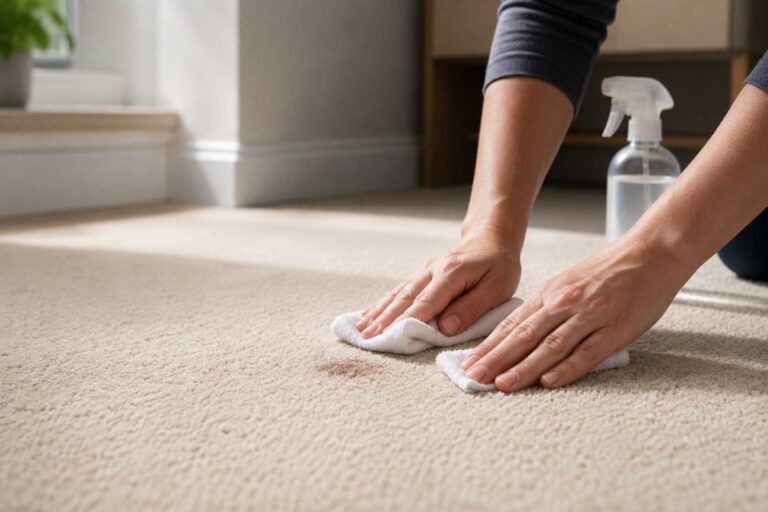
Fresh spill advice: Blot the area gently with a clean white cloth. Do not scrub, apply heat or use an untested stain remover. Contact a specialist and explain what was spilled, when it happened and whether anything has already been applied.
Hi Carpet Cleaner also provides specialist stain treatment for carpets and rugs. More involved stain treatments are quoted separately where they are not included as light spot treatment during cleaning.

How Long Do Silk Carpets Take to Dry?
There is no single drying time that applies to every silk carpet or rug.
The drying period depends on:
- The selected cleaning method
- Natural silk, viscose or blended fibre content
- Rug thickness and density
- Backing and foundation
- Amount of controlled moisture used
- Room temperature
- Air movement and ventilation
- On-site or off-site treatment
- Weather and indoor humidity
A low-moisture treatment may dry differently from another specialist process. Thicker handmade rugs may also retain moisture differently from fitted silk-blend carpets.
The technician will explain the expected drying conditions after inspecting the item and selecting the treatment. Avoid replacing furniture, walking heavily on the carpet or rolling a rug before it is fully dry.
How Often Should a Silk Carpet Be Professionally Cleaned?
Silk carpets should be cleaned according to their condition, use and environment rather than following a rigid schedule.
A decorative rug in a low-traffic room may not require the same cleaning frequency as a fitted carpet in a regularly used living area. Factors that may justify an earlier assessment include:
- Visible traffic marks
- Accumulated dry soil
- Spills
- Pet accidents
- Odours
- Smoke exposure
- Building work or renovation dust
- Changes in the pile or texture
Excessive cleaning can be unnecessary. Regular maintenance, careful vacuuming and prompt attention to spills can help extend the time between professional treatments.
Our guide “How Often Should Carpets Be Professionally Cleaned?“ explains how traffic, household conditions and carpet construction influence cleaning schedules.
How to Care for a Silk Carpet Between Professional Cleans
Careful maintenance can reduce soil accumulation and help protect the carpet’s appearance.
Follow the manufacturer’s instructions
Where a care label or manufacturer’s guidance is available, follow it before applying any product or cleaning technique.
Vacuum cautiously
Use suction-only cleaning or an appropriate low-power setting where suitable. Avoid rotating beater bars or aggressive brushes that could pull or distort the pile.
Protect the rug from sunlight
Prolonged direct sunlight can contribute to fading. Curtains, blinds or UV-filtering measures may help protect valuable rugs in bright rooms.
Rotate removable rugs
Rotating a rug periodically can distribute foot traffic and sunlight exposure more evenly.
Use suitable underlay
A suitable rug pad or underlay can reduce movement, limit friction and help protect the rug’s foundation.
Blot spills immediately
Use a clean white cloth and blot gently. Do not rub, scrub or apply heat.
Avoid household carpet shampoos
General carpet shampoos, stain removers and hired cleaning machines may use unsuitable chemicals, pressure, heat or moisture levels.
Do not pull loose fibres
Loose threads and damaged fringe should be assessed rather than cut or pulled. Hi Carpet Cleaner provides rug repair and colour-restoration services directly where appropriate.
Choosing a Silk Carpet Cleaner in London
Before handing over an expensive, antique or sentimental item, ask the cleaning company specific questions about its process.
Useful questions include:
- Do you regularly clean genuine silk and viscose rugs?
- How do you identify the fibre?
- Do you perform pH and colourfastness testing?
- How do you document existing wear or damage?
- Will the rug be treated on-site or off-site?
- How will it be protected during transport?
- Is it insured while being collected, treated and returned?
- What is included in the quotation?
- Is specialist stain removal charged separately?
- What drying controls are used?
- Is the work covered by a workmanship guarantee?
- Can you provide relevant before-and-after examples?
- Do you accept antique and high-value rugs?
Avoid choosing a provider based only on the lowest price. A quotation should reflect the item’s fibre, construction, condition and required treatment.
Why Choose Hi Carpet Cleaner?
Hi Carpet Cleaner provides professional silk carpet and rug cleaning throughout London, with each item assessed before a treatment is recommended.
Our service includes:
- Experience with natural silk, viscose and other delicate fibres
- Fibre identification, pH and colourfastness testing
- On-site treatment for fitted silk carpets
- On-site or off-site treatment for removable rugs
- Collection and return options
- Fully insured handling, transportation and treatment
- Acceptance of antique and high-value rugs
- Tailored stain treatment
- Direct rug repair and colour-restoration services
- Eco-certified, pet- and child-safe products on request where suitable
- A workmanship guarantee
- Clear quotations before treatment begins
Send us clear photos of your carpets on WhatsApp to receive a more accurate quotation before booking.
Frequently Asked Questions
Can a 100% silk carpet be professionally cleaned?
Yes. Genuine silk carpets and rugs can be professionally cleaned, but the item must first be inspected and tested. The safest treatment depends on its dyes, construction, backing, condition and care instructions.
Can silk carpets be steam cleaned?
Steam cleaning should not be used as the automatic default for silk. An extraction-based method may be suitable for some items but unsuitable for others. Fibre identification and colourfastness testing should determine the cleaning process.
How much does silk carpet cleaning cost in London?
Small rug cleaning may start from £30, while large or specialist rugs require an individual quotation. Hi Carpet Cleaner applies a minimum booking charge of £75 per visit. The final price depends on size, fibre, construction, condition, stains and treatment requirements.
How long does a silk carpet take to dry?
Drying time depends on the selected method, fibre, thickness, backing, ventilation and indoor conditions. A more accurate expectation can be provided after inspection.
Can old stains be removed from silk rugs?
Some old stains can be improved, but complete removal cannot be guaranteed before assessment. The outcome depends on the stain, fibre damage, dye stability and any products previously applied.
How can I tell whether my rug is silk or viscose?
Natural silk and viscose can look similar. A label may provide useful information, but appearance alone is not always reliable. A specialist should assess the pile, backing, construction and fibre characteristics.
Do you clean Persian and Oriental silk rugs?
Yes. Hi Carpet Cleaner accepts Persian, Oriental, handmade, antique and high-value silk rugs, subject to inspection and confirmation of the appropriate treatment.
Can you collect and return a silk rug?
Yes. Collection and return are available for removable rugs. The arrangements, treatment location and any related costs are confirmed as part of the quotation. Fitted silk carpets are cleaned on-site.