Professional carpet cleaning can significantly reduce fleas in a carpet. Hot water extraction combines controlled heat, agitation and powerful suction to remove many exposed adult fleas, larvae, loose eggs and flea debris. However, eggs or pupae hidden in the carpet backing, underlay, floor gaps or untreated furnishings may survive, so cleaning alone cannot guarantee complete eradication.
Finding fleas in your home can be unsettling. Your pet may be scratching more than usual, small dark specks may appear in the carpet, or members of your household may notice bites around their ankles. At that point, it is not always clear whether you should call a carpet cleaner, speak to a vet or arrange professional pest control.
Each service has a different role. Veterinary treatment addresses the animal, pest control targets an established infestation across the property, and professional cleaning removes accessible fleas, immature life stages and environmental debris from carpets and other soft furnishings.
Understanding these differences helps you deal with the problem in the right order without expecting carpet cleaning to perform a job it was not designed to do.
Can Professional Carpet Cleaning Kill Fleas?
Professional carpet cleaning can kill or physically remove many fleas that are accessible within the carpet pile. The result depends on the cleaning method, the construction of the carpet, the location of the infestation and the stage of the flea’s life cycle.
How Hot Water Extraction Affects Fleas
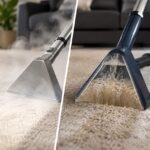
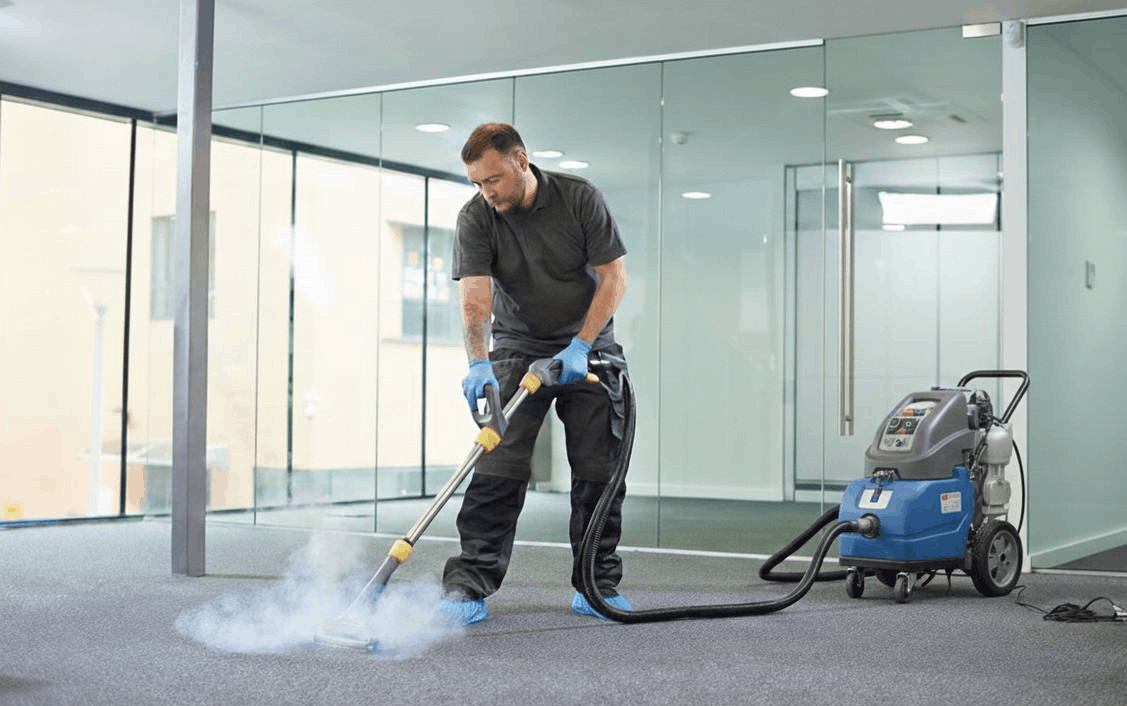
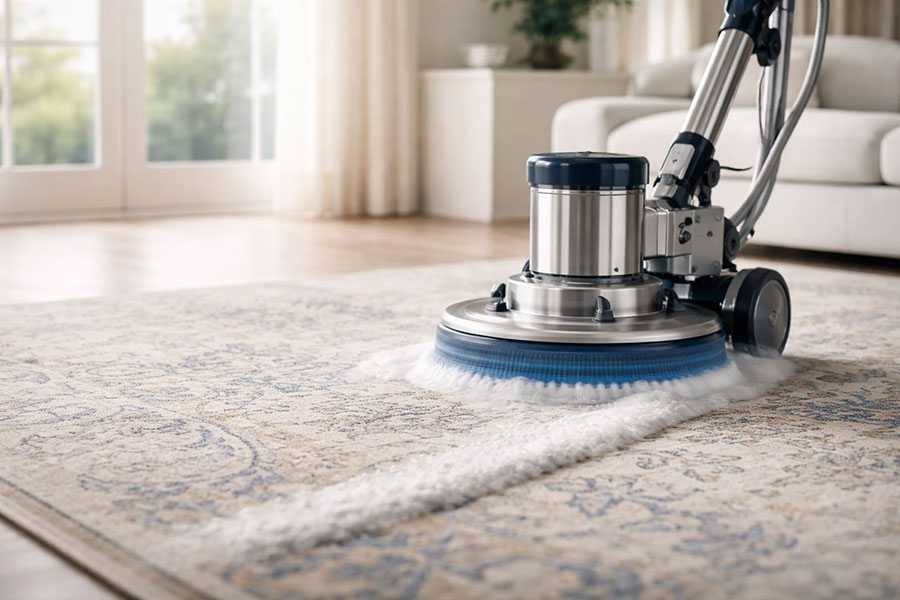
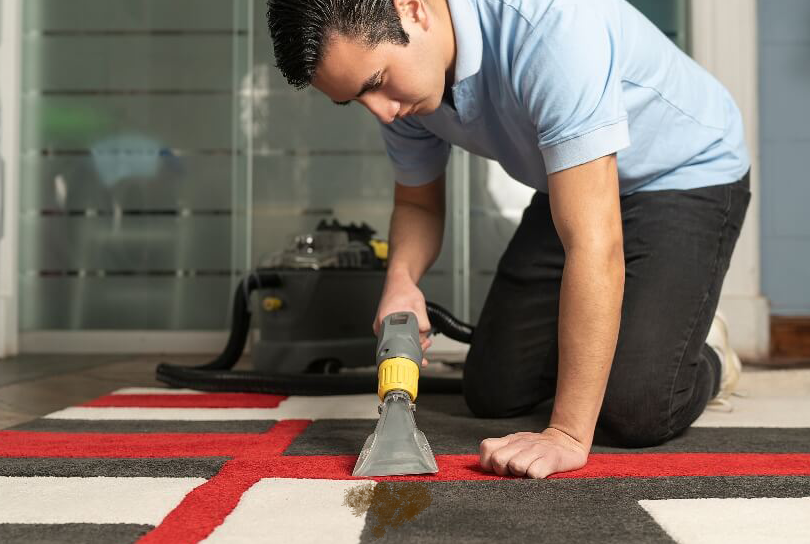
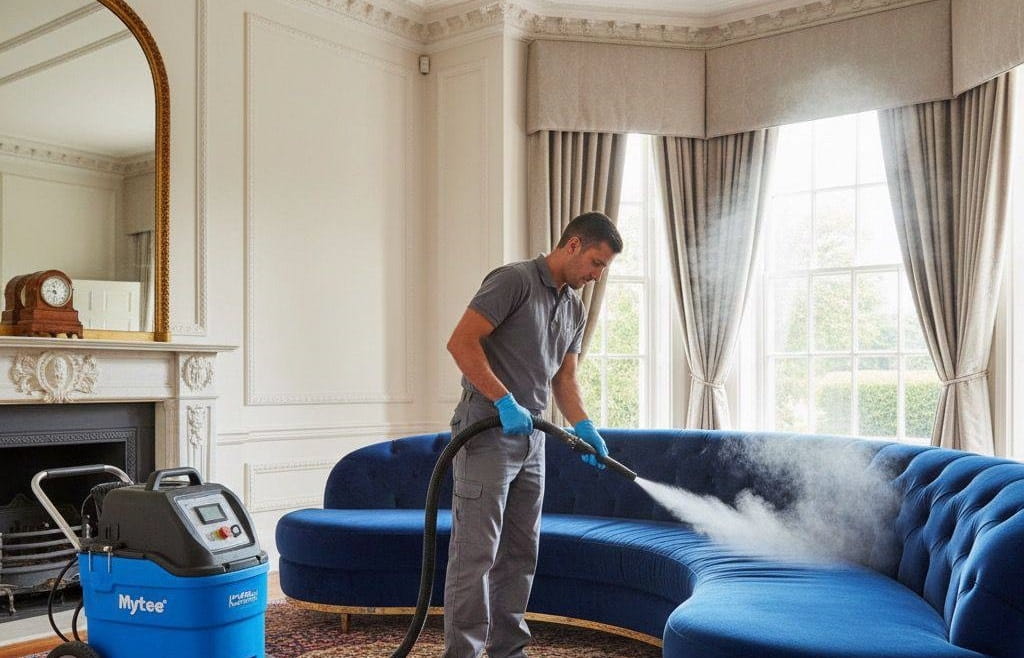
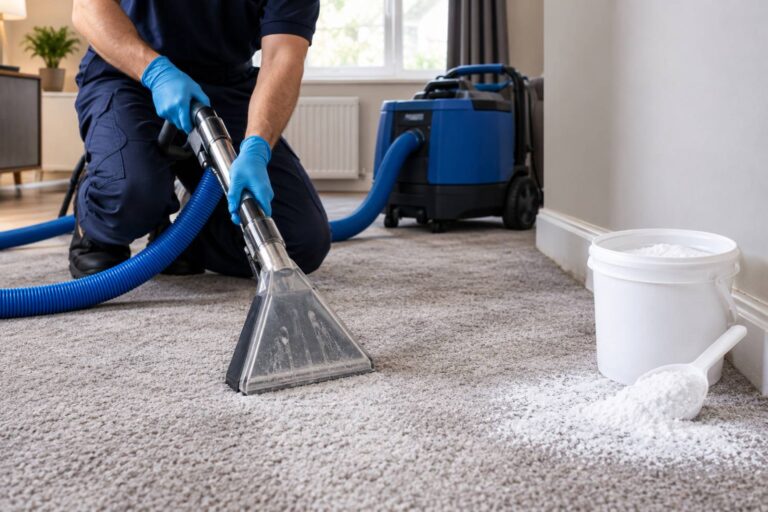
Hot water extraction is generally the most useful professional carpet-cleaning method when fleas are present. It introduces a controlled amount of heated cleaning solution into the fibres, agitates embedded contamination and extracts the moisture with powerful suction.
This process may remove exposed adult fleas, larvae within the accessible carpet pile, loose eggs, flea dirt and the organic debris on which larvae feed. It may also help remove residues and dead insects after professional pest-control treatment, provided the timing has been approved by the pest controller.
Temperature and pressure must always be adjusted to the carpet. Wool, viscose and other delicate materials should be assessed before cleaning rather than automatically exposed to the highest available temperature.
Why Physical Extraction Matters
The effect of professional cleaning is not limited to heat. Powerful extraction physically collects contaminants from the carpet, meaning some fleas, eggs and larvae may be removed even if they have not been exposed to enough heat for long enough to be killed.
This distinction is important. Professional carpet cleaning should not be judged only by whether the process “kills” fleas. Removing accessible insects, eggs, flea dirt and larval food sources can also contribute to environmental control.
Nevertheless, a cleaning head cannot reach every potential hiding place. Immature flea stages may be present in the carpet backing, underlay, gaps between floorboards, around skirting boards or beneath furniture that cannot be moved.
Professional cleaning can substantially reduce accessible contamination, but it is not a guaranteed flea-eradication treatment.
Does Carpet Cleaning Remove Flea Eggs?
Professional carpet cleaning can remove some flea eggs, particularly those that are loose and close to the surface. Thorough vacuuming followed by hot water extraction increases the likelihood of collecting eggs from accessible parts of the carpet.
It cannot be assumed that every egg will be removed.
Where Flea Eggs Can Hide in Carpets
Adult fleas usually live and feed on an animal, but their eggs are not firmly attached to the host. They can fall wherever the pet walks, sleeps or rests, including carpets, rugs, sofas, pet bedding and gaps around the edges of a room.
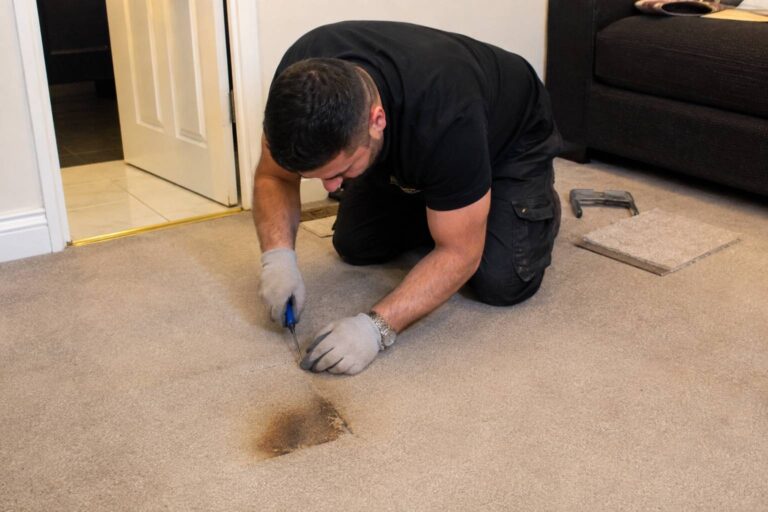
In a dense carpet, eggs may move deeper into the pile or settle near skirting boards, underneath furniture and in areas that normal cleaning equipment cannot fully reach. Some may pass into the carpet backing or underlay.
This is why cleaning the visible surface does not necessarily address every stage of an infestation.
Why Flea Pupae Are Harder to Remove
Flea eggs and pupae are not the same. Once an egg hatches, the flea develops into a larva before entering the pupal stage.
During this stage, the developing flea is enclosed in a protective cocoon. Fibres and environmental debris can stick to the cocoon, helping it blend into its surroundings and making it more difficult to remove than a loose egg.
A carpet may therefore look and feel considerably cleaner after professional treatment while protected pupae remain in inaccessible parts of the room or elsewhere in the property.
Before arranging a visit, review current carpet cleaning prices in London and the factors that can affect the final quote.
Why Can Fleas Return After the Carpet Has Been Cleaned?
Seeing fleas after professional cleaning does not automatically mean the carpet was cleaned incorrectly. Their return is often connected to the flea life cycle or to affected areas that were not included in the cleaning.
The Four Stages of the Flea Life Cycle
Fleas develop through four stages:
- Egg
- Larva
- Pupa
- Adult flea
Eggs fall from the host into the surrounding environment. After hatching, larvae move towards dark, protected areas and feed on organic material, including flea dirt produced by adult fleas.
The larva eventually forms a cocoon and becomes a pupa. A new adult may later emerge in response to signals associated with a potential host, such as movement, warmth and carbon dioxide.
This means adult fleas may appear after the carpet has been cleaned because they have recently emerged from pupae hidden in inaccessible or untreated areas. The property may also be reinfested if a pet has not received suitable and effective treatment.
Untreated Areas That Can Cause Fleas to Reappear
Carpets are only one possible part of the problem. Pet bedding, rugs, upholstered furniture, stairs, floor gaps and spaces beneath heavy furniture may also contain eggs, larvae, pupae or flea debris.
In London flats and rental properties, pets may move between several rooms and regularly rest on different soft surfaces. Cleaning one visibly affected carpet while leaving these other areas untouched can allow the flea life cycle to continue.
A coordinated approach should therefore consider where the pet spends time rather than concentrating exclusively on the area where an adult flea was first seen.
Hot Water Extraction vs Other Carpet-Cleaning Methods
Not every carpet-cleaning method has the same effect on fleas and their surrounding debris.
Cleaning method | Likely effect on fleas | Main limitation |
Hot water extraction | Can remove many exposed adult fleas, larvae, loose eggs and flea debris | Cannot reliably reach every egg or pupa in the backing, underlay or floor gaps |
Dry carpet cleaning | May remove some surface contamination | Provides limited heat and may not penetrate deeply enough |
Carpet shampooing | Can loosen dirt and contamination within the pile | Does not guarantee control of protected or hidden life stages |
Vacuuming | Can collect some adult fleas, eggs, larvae and environmental debris | Must be repeated and does not treat pets or inaccessible parts of the property |
Hot water extraction is often described as steam cleaning, although these terms do not always refer to exactly the same process. Our guide to hot water extraction vs steam cleaning explains the practical differences.
The most appropriate method should be selected according to the carpet’s fibres, dyes, construction and condition. Delicate materials require individual assessment, particularly when an insecticide or another pest-control product has already been applied.
For an infestation that needs proper treatment, book our professional carpet cleaning service.
Is Carpet Cleaning Enough to Get Rid of a Flea Infestation?
No. Carpet cleaning should not be used as the only treatment for an established flea infestation.
Effective control normally requires attention to the animal carrying the fleas, the wider home environment and the soft surfaces on which eggs and immature stages may have settled.
Treating Pets and the Home at the Same Time
Every pet in the household should receive treatment suitable for its species, age and health. The appropriate product and schedule should be discussed with a vet.
A flea treatment intended for one species may be unsuitable or dangerous for another. Pet treatments, household insecticides and carpet-cleaning chemicals should never be treated as interchangeable products.
The surrounding property must also be addressed. Blue Cross explains that treating the pet alone is not enough because eggs and immature flea stages may remain around the home.
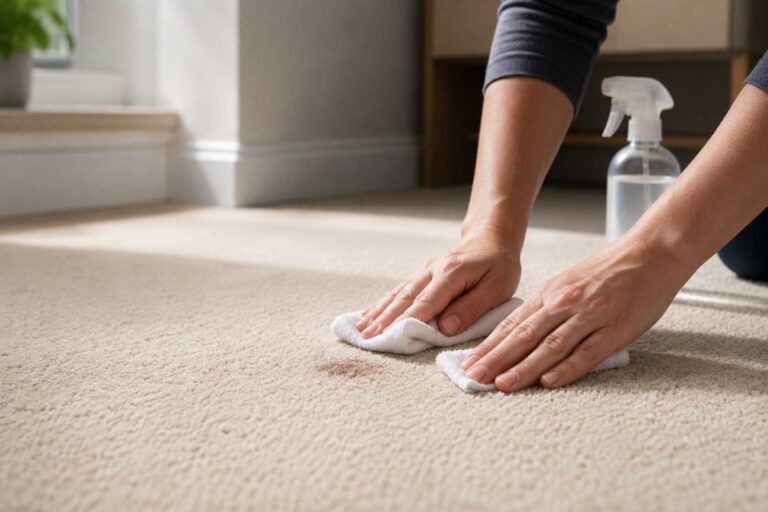
Regular vacuuming can remove some fleas, eggs and environmental debris from carpets and soft furnishings. Washable pet bedding should also be cleaned according to its care label.
When Pest Control Becomes Necessary
A qualified pest-control provider may be needed when fleas are established across several rooms, bites continue after the pets have been treated or activity is found in floor gaps and other areas beyond the carpet.
Pest control and carpet cleaning perform different functions. Pest-control treatments are designed to target an active infestation, while professional cleaning removes soil, allergens, flea debris and accessible life stages from suitable surfaces.
Hi Carpet Cleaner provides professional cleaning rather than veterinary or pest-control treatment. Where an active infestation is established, cleaning should be coordinated with vet-approved pet treatment and, when necessary, a qualified pest-control provider.
Fleas aren’t the only microscopic problem in carpet fibres, see whether cleaning removes dust mites and allergens.
What Should You Do Before Professional Carpet Cleaning?
Correct preparation can make cleaning more useful while preventing it from interfering with veterinary or pest-control treatment.
Coordinate the Timing First
Begin by arranging appropriate treatment for every pet in the property. If the infestation is extensive, contact a qualified pest-control company and ask where carpet cleaning should fit into its treatment schedule.
Some pest-control products are intended to leave an active residue on carpets or other surfaces. Cleaning too soon afterwards could remove or weaken this residual treatment. Always follow the pest controller’s instructions rather than assuming that cleaning should take place immediately before or after pest control.
Tell the carpet-cleaning company about the flea problem before the appointment. You should also disclose any insecticides or environmental flea products recently applied to the carpet.
Prepare the Affected Rooms
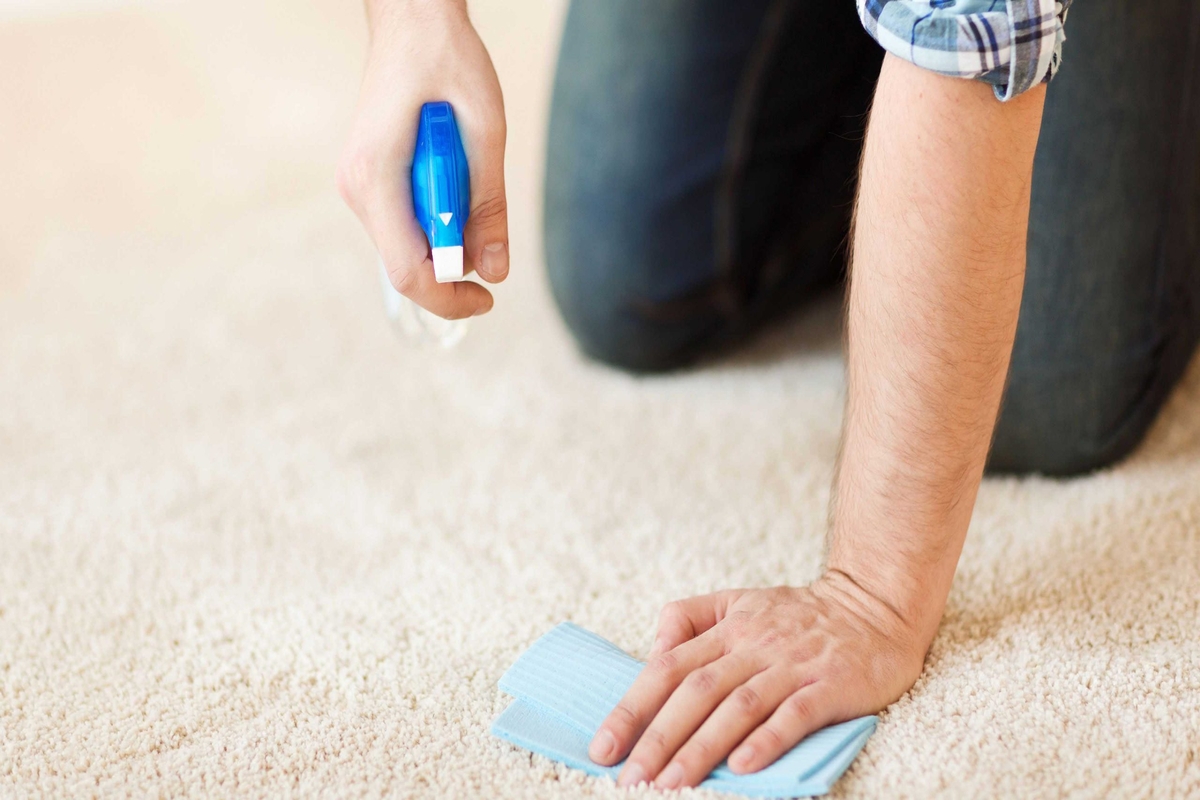
Vacuum the carpet thoroughly, including underneath accessible furniture, around skirting boards and close to the places where pets sleep. Empty the vacuum container or dispose of the bag outside the property immediately afterwards.
Wash suitable pet bedding according to its care instructions. PDSA recommends washing pet bedding regularly at 60°C where the item’s care label permits it.
Make affected areas accessible to the technician, but do not move heavy furniture unless instructed. Children and pets should remain away from cleaned carpets until they are fully dry.

Should Rugs, Sofas and Mattresses Be Cleaned Too?
Carpets are not the only soft surfaces on which flea eggs and environmental debris can collect. Rugs, upholstery and mattresses may also need attention if pets regularly rest on them or there are signs of flea activity nearby.
Rugs and Upholstered Furniture
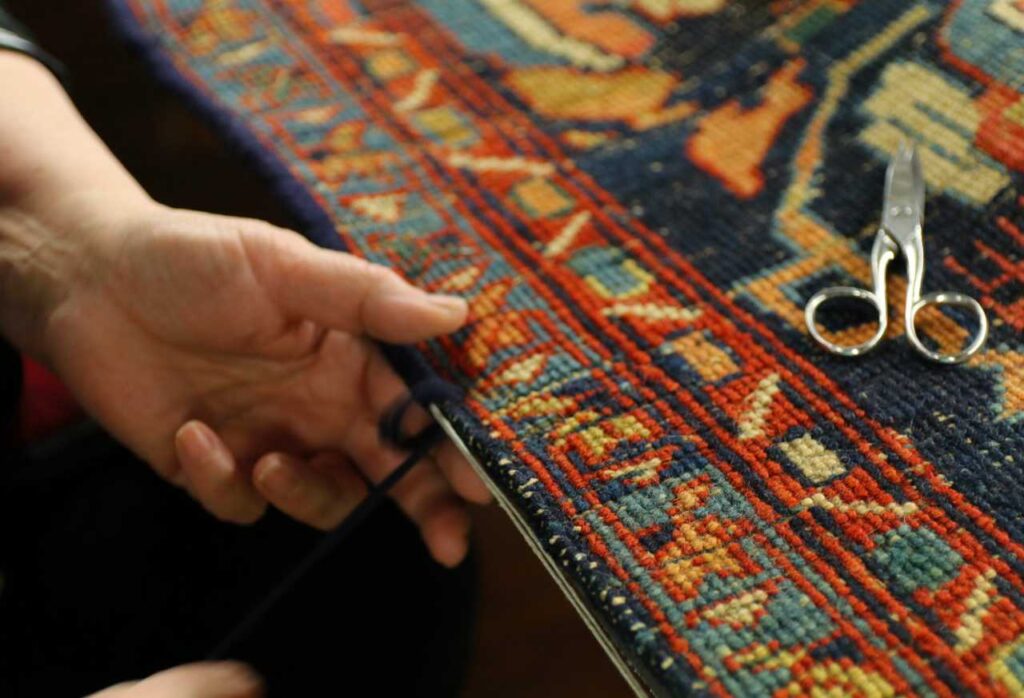
Professional rug cleaning in London can remove accessible contamination from a rug, but the method must suit its fibres, dyes and construction. Handmade, wool, viscose and other delicate rugs should be assessed individually.
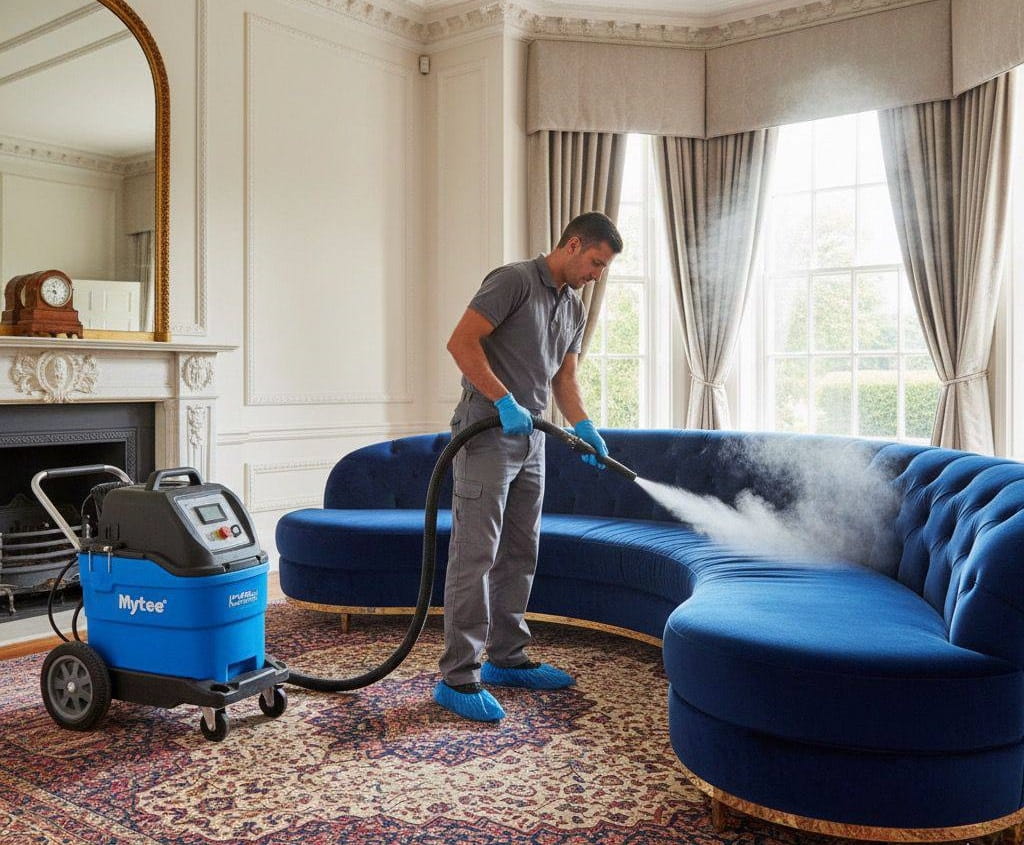
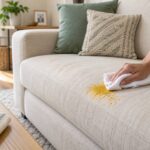
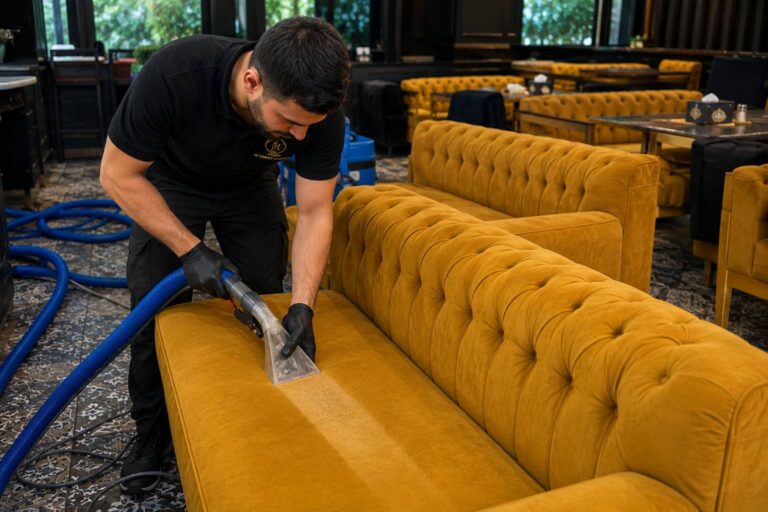
Professional upholstery cleaning may also remove accessible fleas, loose eggs, flea dirt and treatment residue from suitable fabrics.
However, fleas may be present beneath cushions, inside furniture joints or in parts that cannot safely be saturated. Upholstery cleaning should therefore support the wider control plan rather than being presented as a complete flea treatment.
When a Mattress May Need Attention
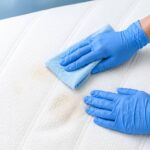
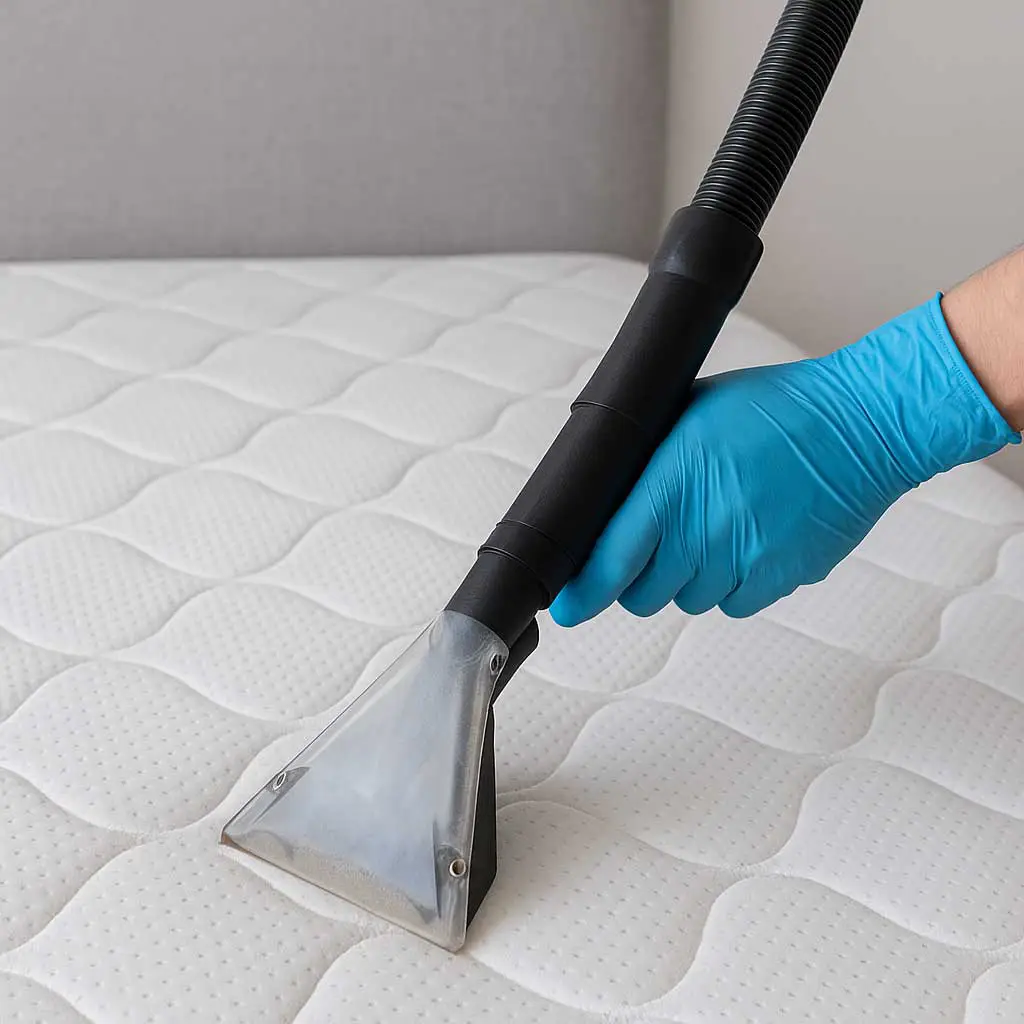
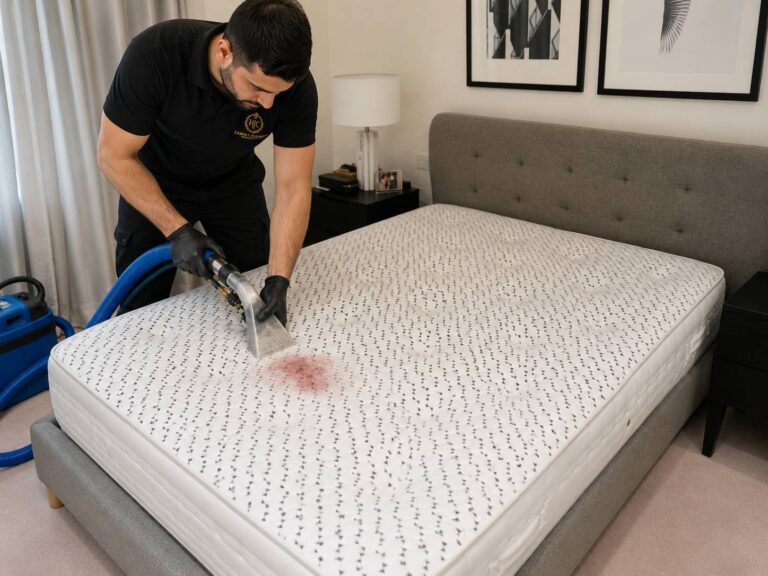
A mattress may require inspection if a pet regularly sleeps on the bed or flea activity has been identified in the bedroom. It is not necessary to assume that every mattress in an affected property is infested.
Cleaning decisions should be based on where pets spend time, where bites or fleas have been noticed and which areas the vet or pest controller believes require attention.
For targeted, pet-related problem areas, see our spot & stain removal service.
When Do You Need Pest Control Instead of Carpet Cleaning?
Professional pest control should be considered if fleas are found in several rooms or continue to appear after all pets have received appropriate treatment.
Other warning signs include:
- Ongoing bites despite repeated vacuuming and environmental cleaning
- Fleas around floor gaps, skirting boards or areas without carpet
- Activity in an empty rental property after a previous occupant and their pet have left
- Repeated sightings after accessible carpets and furnishings have been cleaned
- An infestation requiring an insecticide or insect growth regulator
Carpet cleaning can remain helpful before or after pest-control treatment, but the order must be agreed with the pest controller. Cleaning should never be presented as a substitute when an established infestation requires specialist treatment.
Pets often leave smells behind too, see how to remove pet urine smell from carpet.
Frequently Asked Questions
Can Fleas Survive Professional Carpet Cleaning?
Yes. Professional cleaning can remove many accessible fleas and immature stages, but eggs, larvae or pupae may survive in carpet backing, underlay, floor gaps or untreated furnishings. Carpet cleaning cannot guarantee that the entire property will be flea-free.
Does Steam Cleaning Kill Flea Eggs?
Heat and extraction may kill or remove some exposed flea eggs. However, sufficient temperature and contact time may not reach every layer of the carpet uniformly. Eggs hidden below the accessible pile or elsewhere in the property can remain.
Will Fleas Come Back After Carpet Cleaning?
Fleas may reappear if pupae are still developing, pets have not been treated effectively or other parts of the home remain affected. Their return does not automatically mean that the carpet was cleaned incorrectly.
Should Pest Control Be Carried Out Before or After Carpet Cleaning?
The correct order depends on the treatment and products being used. Some residual insecticides must remain on the surface for a specified period. Follow the pest controller’s instructions and ensure both companies know which treatments have been applied.
How Often Should I Vacuum After Finding Fleas?
Vacuum carpets, pet-resting areas, room edges and spaces beneath accessible furniture regularly during the control process. The precise schedule should follow the advice of your vet or pest-control professional. Dispose of collected debris outside the property after vacuuming.
Can Fleas Live in a Home Without Pets?
Yes. Eggs, larvae and pupae may remain in a property after an animal has left. This is one reason fleas can emerge in an empty or recently occupied rental property that previously housed pets.
Do I Need to Clean My Sofa and Mattress Too?
They may need attention if pets regularly sleep on them or there are signs of flea activity nearby. Concentrate on affected rooms and surfaces identified through inspection rather than assuming every soft furnishing requires treatment.