Quick Answer: To clean a jute rug, start with suction-only vacuuming and blot fresh spills with a dry white cloth. Avoid soaking, steam cleaning and wet shampooing. Follow the rug’s care label before using any spot treatment or dry cleaning product. Dry damp areas promptly with good airflow. Existing brown water marks may need professional assessment and cannot always be removed completely.
Jute is an absorbent plant fibre, so the safest way to clean a jute rug is very different from cleaning a washable synthetic rug. Routine care is mostly dry: remove loose soil gently, deal with spills by blotting rather than scrubbing, and keep moisture tightly controlled. If a jute rug is overwet, the fibres can swell, distort or develop brown marks as the area dries.
This guide explains how to clean a jute rug at home, what to do with fresh stains and water marks, and when to stop DIY treatment. Always treat the manufacturer’s care label as the final instruction for your individual rug, especially if it has dyed borders, a backing, mixed fibres or specialist construction.
Before You Clean: Check the Care Label
Start by identifying what the rug can tolerate. Check the fibre composition, backing, bindings and care label. A rug sold as ‘jute-look’ may actually be polypropylene or another washable synthetic, while a genuine jute or jute-blend rug can be much more sensitive to water. Dyed borders and stitched edges may also have separate restrictions.
Gather a suction-only vacuum, clean white absorbent cloths and a blunt spoon for lifting solids. If the maker allows a spot product or dry cleaning compound, test it in a discreet area first and inspect the test only after it has dried. Stop if colour transfers to the cloth, the weave changes, fibres loosen or the test leaves a ring.
Why Jute Rugs Develop Water Marks
Jute fibres absorb moisture readily. When one area becomes wetter than the surrounding weave, the fibre can darken temporarily and may dry unevenly. Moisture can also move dissolved soil, natural colour or cleaning residue towards the edge of the wet area. As the water evaporates, that material may remain as a visible ring or brown patch.
This means a mark that appears after cleaning is not necessarily the original stain. It may be a drying mark, residue movement or a change in the fibre itself. Faster, controlled drying reduces the risk, but it cannot guarantee that every jute rug will dry without a mark. Repeatedly wetting the ring to ‘blend it out’ can make the affected area larger.
How to Clean a Jute Rug: Dry Routine Care
For routine jute rug cleaning, dry soil removal is the safest starting point. The aim is to lift dust, crumbs and dry debris without forcing the weave apart or adding moisture.
Vacuum the surface gently
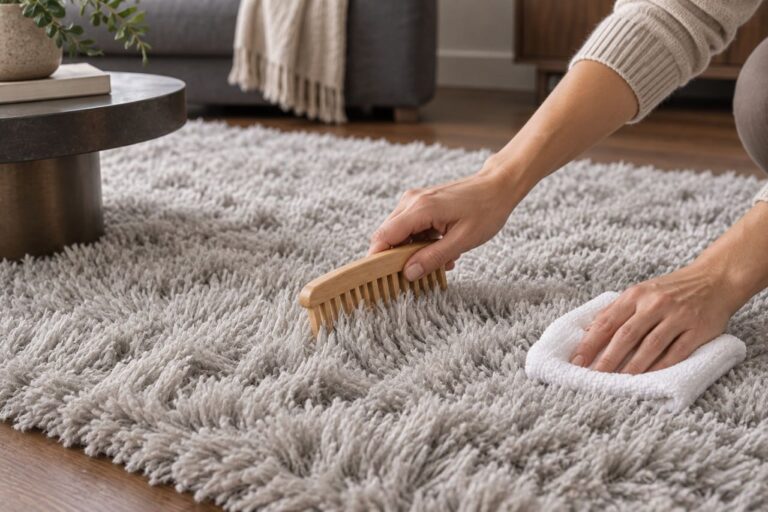
Use suction only and switch off the rotary brush or beater bar. Work slowly across the weave and around the edges. Do not keep passing over loose strands, frayed areas or raised fibres.
Clean the reverse and floor underneath
If the rug is fully dry, manageable and the construction allows it, turn it over and vacuum the reverse gently. Then clean the hard floor underneath. Soil trapped below the rug can work back into the weave over time.
Remove dry residue and air the rug
Allow ordinary mud to dry before loosening it carefully with a blunt spoon and vacuuming the residue. Air the rug in a dry, ventilated place. Only shake it gently if the care instructions allow this; hard beating is not a standard jute-care method.
Vacuuming can remove loose soil, but it will not reliably remove liquid contamination that has reached the backing, an old greasy stain or damage caused by previous overwetting. Those problems need a different decision, not simply more vacuuming.
How to Handle Fresh Spills and Stains
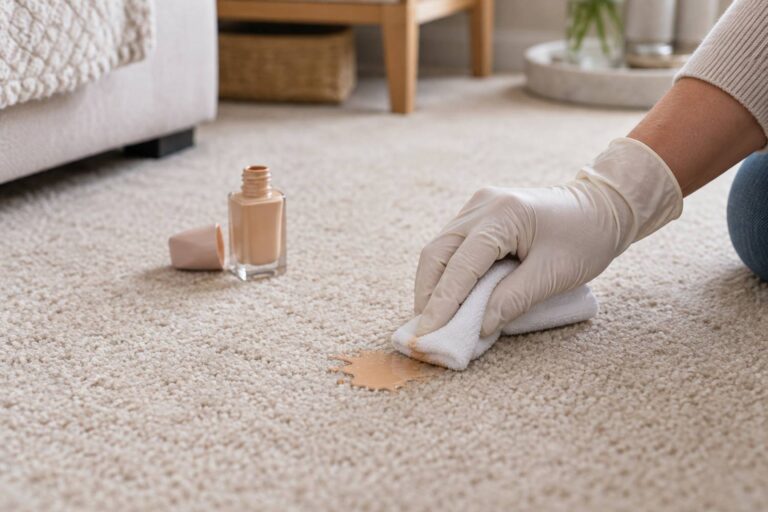
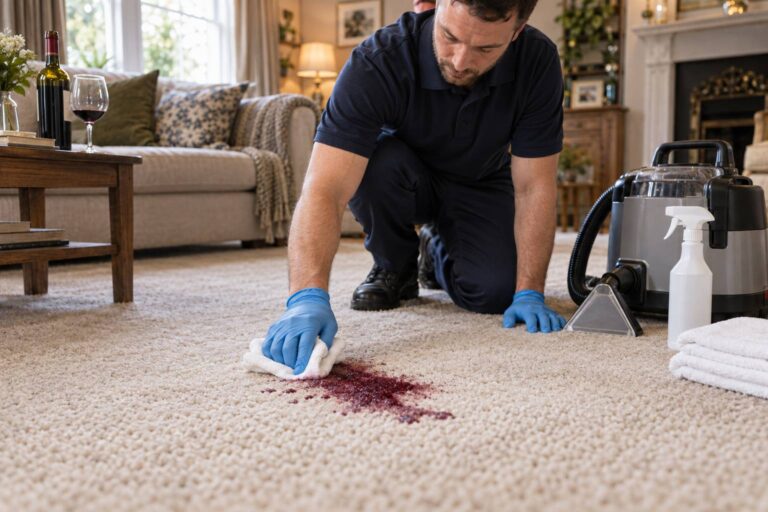
A fresh spill gives you the best chance to limit staining because you can remove liquid before it travels farther through the weave. Keep the treatment small and controlled.
- Lift solid material with a blunt spoon without grinding it into the fibres.
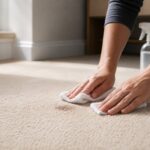
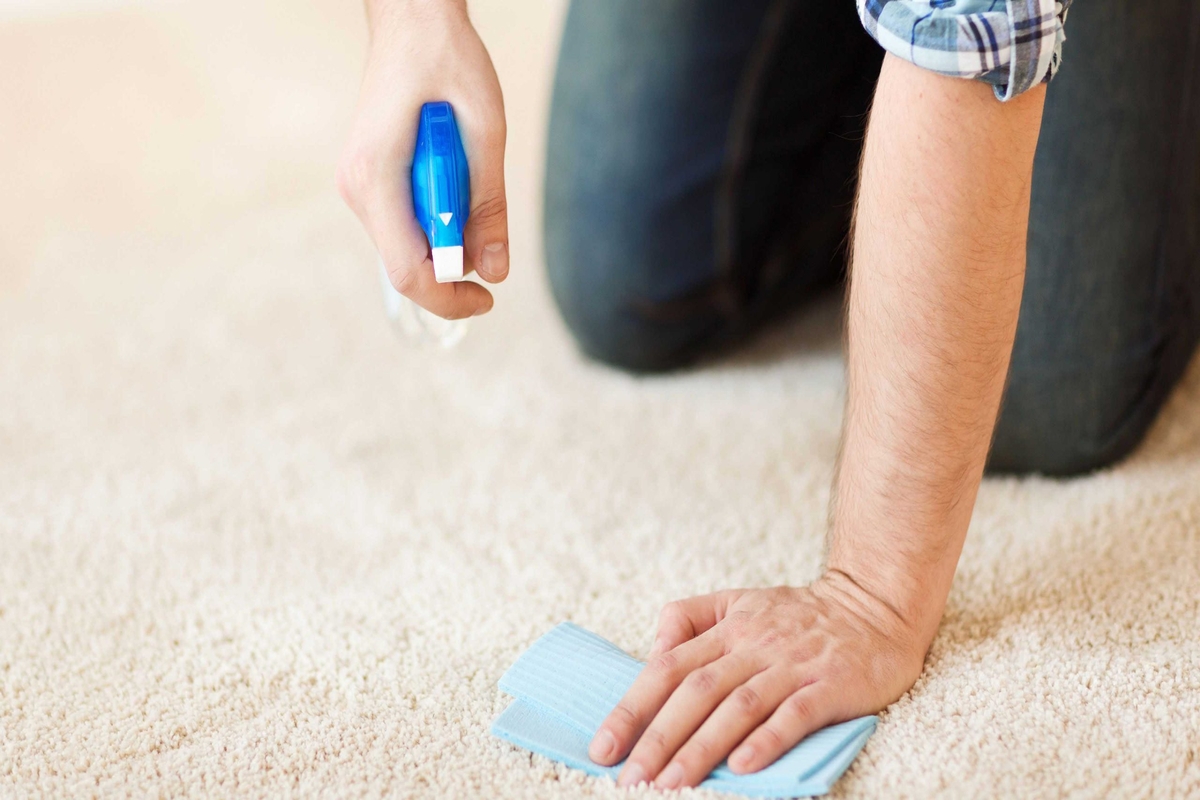
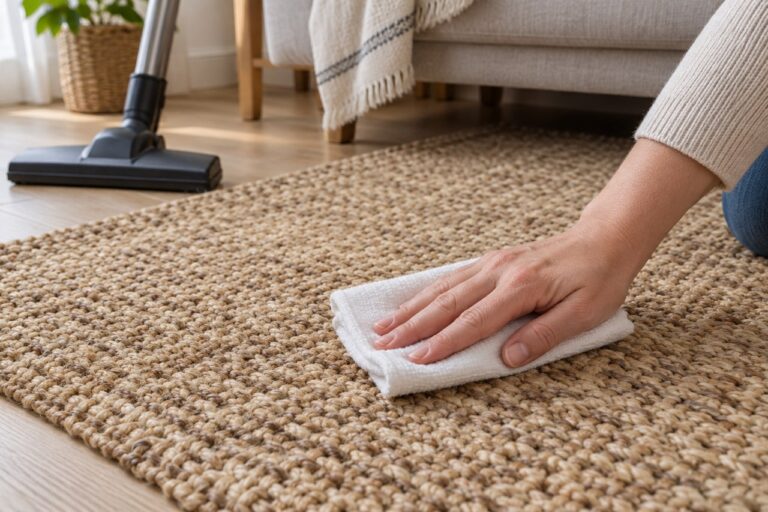
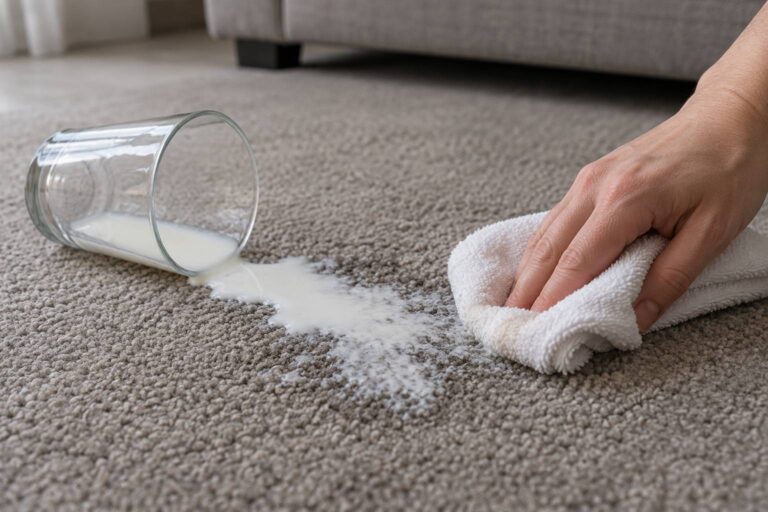
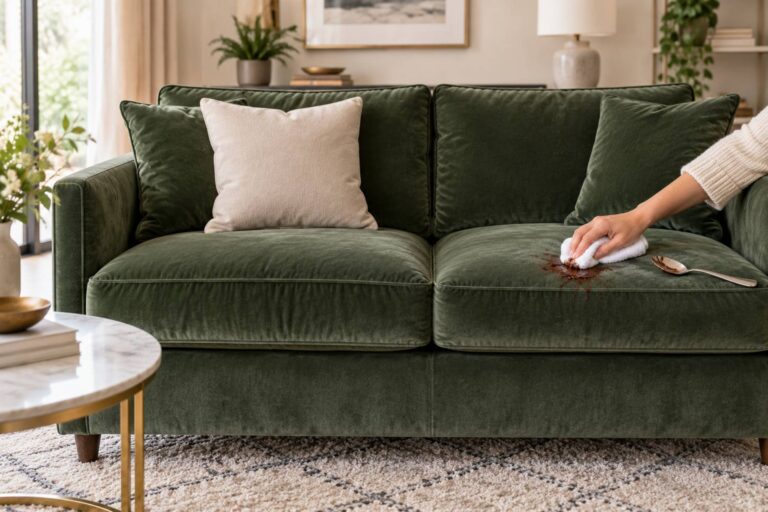
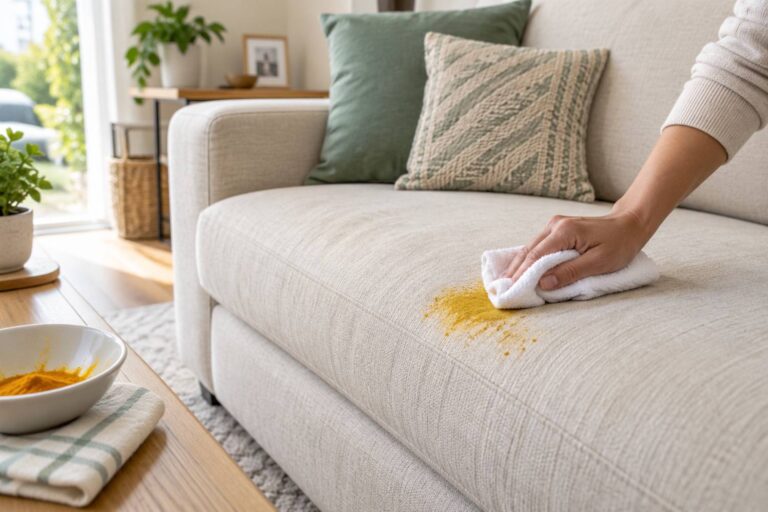
- Place a clean, dry white cloth on the spill and blot from the outside towards the centre.
- Move to a dry section of cloth as moisture transfers. Press rather than rub.
- Check the reverse and floor underneath if liquid may have passed through the rug.
- Improve airflow and continue blotting until the area is only slightly damp, then allow it to dry fully.
Only move to a barely damp cloth or a named cleaning treatment when the rug manufacturer allows it. Apply the permitted treatment to the cloth rather than pouring liquid onto the rug, keep the treatment area controlled and dry it promptly. If the label is missing or unclear, contact the manufacturer or a rug specialist before adding a cleaner.
Stop home treatment if dye transfers, the ring expands, the weave starts to distort, fibres lift, the stain spreads or the rug develops a returning musty smell. At that point, further experimentation may make professional treatment more difficult. Hi Carpet Cleaner offers professional Spot & Stain Removal Services in London for stains that need material-specific inspection before treatment.
Quick Stain Guide
| Problem | First action | When to stop |
|---|---|---|
| Dry mud | Let it dry, loosen gently, then vacuum with suction only. | Stop if the weave is fragile or residue is embedded below the surface. |
| Food or drink | Lift solids, then blot liquid with a dry white cloth. | Stop if the mark spreads, dye transfers or the label does not permit further treatment. |
| Greasy mark | Blot excess without rubbing; check the care label before using any product. | Do not improvise with solvents or detergents on genuine jute. |
| Pet accident | Blot immediately and limit spread; check the reverse and floor beneath. | Seek assessment if urine has soaked through, odour returns or the backing remains damp. |
What to Do About Water Marks
If the Area Is Still Damp
Treat a fresh wet area as a drying problem first. Blot with dry white cloths, check whether moisture has reached the reverse, underlay or floor, and improve airflow around the affected area. Avoid rubbing, adding more cleaner or placing furniture back before the rug and floor beneath it are dry.
If a Brown Ring Remains
Do not assume the answer is to wet the whole patch again. An existing brown ring may reflect moved soil, residue, fibre browning or a permanent change in the material. Vinegar, bleach, peroxide, scrubbing or repeated wetting can worsen colour change or distortion. If the mark persists, the weave has changed or you do not know what was previously used, arrange an assessment rather than escalating the DIY treatment.
Can You Deep Clean a Jute Rug at Home?
A genuine jute rug is not a good candidate for an all-over home wash. Start with thorough dry soil removal. A dry cleaning compound may be considered only when both the product instructions and the rug maker say it is suitable; test first and follow the product’s removal instructions exactly.
Do not confuse vacuuming, a dry cleaning compound and professional solvent drycleaning – they are different processes. Some labels specifically rule out drycleaning, so there is no universal powder or professional method that suits every jute rug. Dry products are also not a reliable solution for urine that has penetrated the backing, visible mould or established moisture damage.
How to Dry a Jute Rug Safely
Drying is as important as the initial spill response. Blot out as much moisture as you can, then increase ventilation around the affected area and the reverse without stretching, rolling or folding the damp rug. If the room is humid, a dehumidifier can help reduce moisture in the air.
Check the underlay and floor beneath the rug as well as the surface. Keep the rug out of rain and dew, and avoid direct heaters or intense local heat that can affect fibres or backing. Return furniture only after the face, reverse and anything underneath are dry. There is no safe universal drying time: thickness, backing, the amount of moisture, airflow and room humidity all change the result.
If a musty smell develops or returns after the rug seems dry, the problem may extend below the surface. See our guide on how to get smells out of a rug for the next checks, while keeping the same moisture restrictions for jute.
When to ask for professional jute rug cleaning
Ask for individual assessment when there is widespread browning, a deeply absorbed spill, pet contamination, recurring musty odour, visible mould, distortion, weakened fibres or a stain that has already been treated with unknown products. Some discolouration and fibre change can be permanent, so a professional should assess likely risks and limits before promising a result.
Hi Carpet Cleaner provides professional rug cleaning in London, with rugs assessed for fibre, construction, colour stability, backing and previous treatment before a method is selected. Depending on suitability, the wider rug service includes on-site care or specialist workshop treatment, with collection and delivery available across London. For jute, the exact treatment should still be confirmed after assessment rather than assumed in advance.
When requesting advice, send clear photographs of the whole rug, the affected area and the care label. Include what caused the problem, how long the mark has been present and every product or machine already used. This gives the cleaner a better basis for deciding whether treatment is appropriate and what the next step should be.

Frequently Asked Questions
Can you wash a jute rug?
Genuine jute should not be machine washed, soaked or hosed down as a general home-cleaning method. Follow the care label for the individual rug. Do not confuse a natural jute rug with a washable synthetic rug designed to look like jute.
Can you steam clean a jute rug?
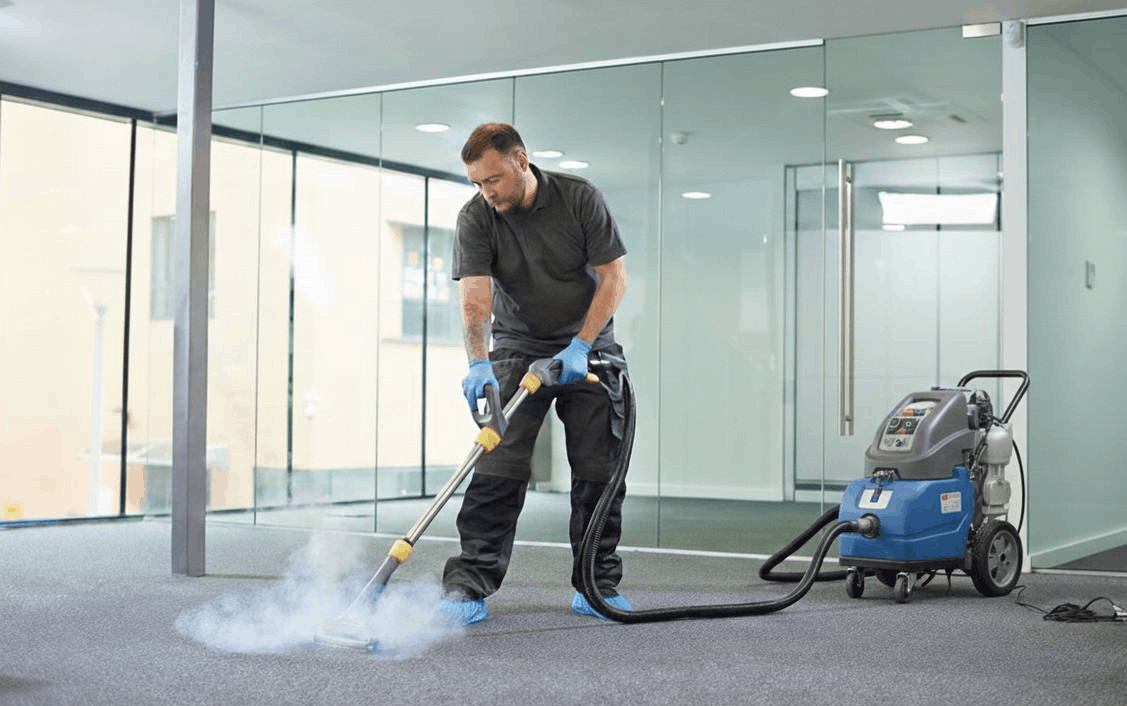
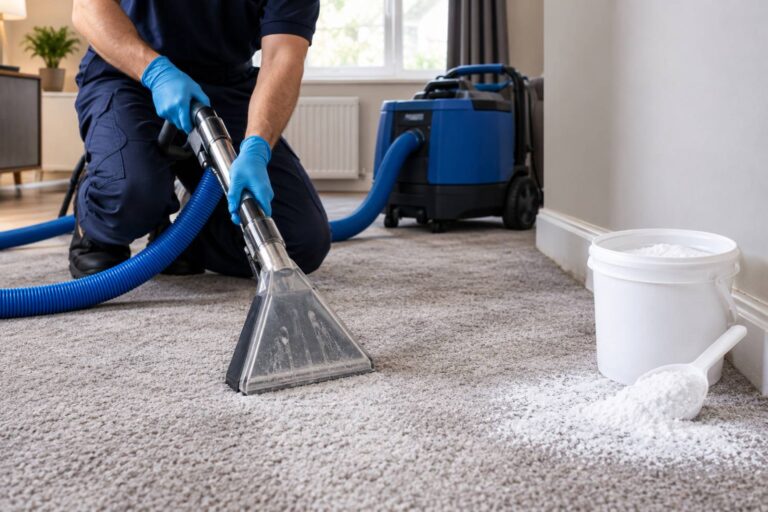
Steam cleaning introduces heat and moisture, both of which can create problems for absorbent jute fibres. Do not use a hired carpet-cleaning machine or routine hot water extraction on genuine jute at home unless the rug manufacturer specifically approves that process.
How do you clean a jute rug without water?
Use suction-only vacuuming with the rotating brush switched off, remove dry debris gently, and air the rug in a dry, well-ventilated place. Any dry cleaning product should be used only if both its instructions and the rug’s care guidance permit it.
How do you remove water stains from a jute rug?
If the area is still damp, absorb moisture and improve airflow. If a dry brown ring remains, avoid repeated wetting or scrubbing because the mark may be browning, moved residue or fibre change rather than removable dirt. Persistent marks may need professional assessment and may not disappear completely.
How long does a jute rug take to dry?
There is no single drying time that is accurate for every jute rug. Drying depends on how wet the rug became, its thickness and backing, the airflow around it and the humidity in the room. Check the reverse and floor underneath, not only the top surface.
How often should you clean a jute rug?
Vacuum regularly with suction only, adjusting the frequency to foot traffic, shedding and the manufacturer’s guidance. Deal with spills promptly. There is no need to invent a fixed deep-cleaning timetable for jute, especially when the rug is clean, dry and stable.
Can a jute rug be professionally cleaned?
Yes, some jute rugs can be professionally cleaned, but the method and likely result depend on the rug’s construction, condition, care instructions and type of damage. Assessment is especially important for water marks, dye movement, pet contamination and rugs that have already been treated at home.
When a jute rug needs more than home care
Dry maintenance and fast spill response can reduce risk, but they cannot reverse every brown mark, deep stain or moisture problem. If your jute rug has a persistent mark or odour, send Hi Carpet Cleaner clear photos of the whole rug, its care label and the affected area, together with details of what happened and what has already been used.