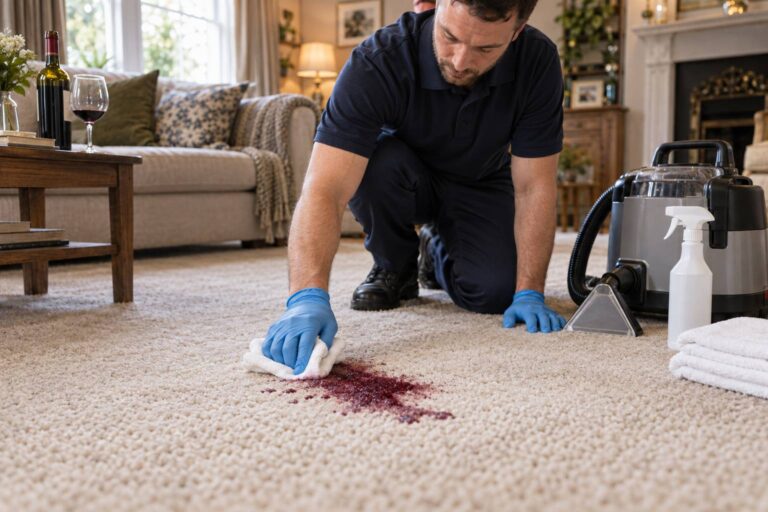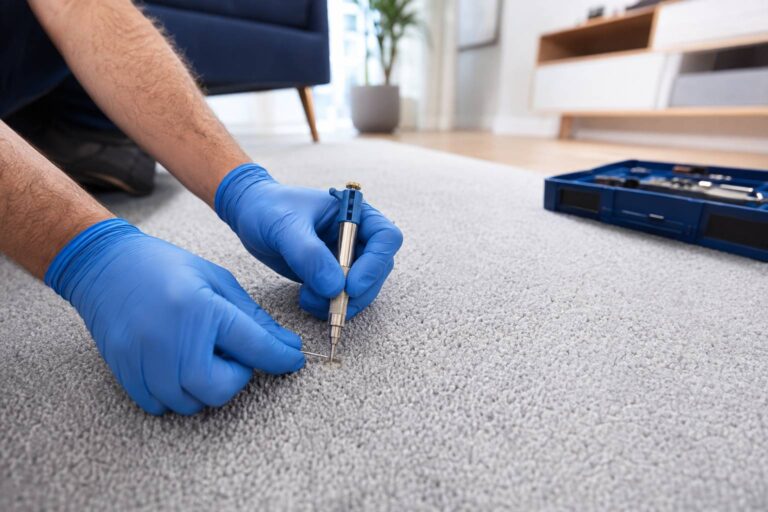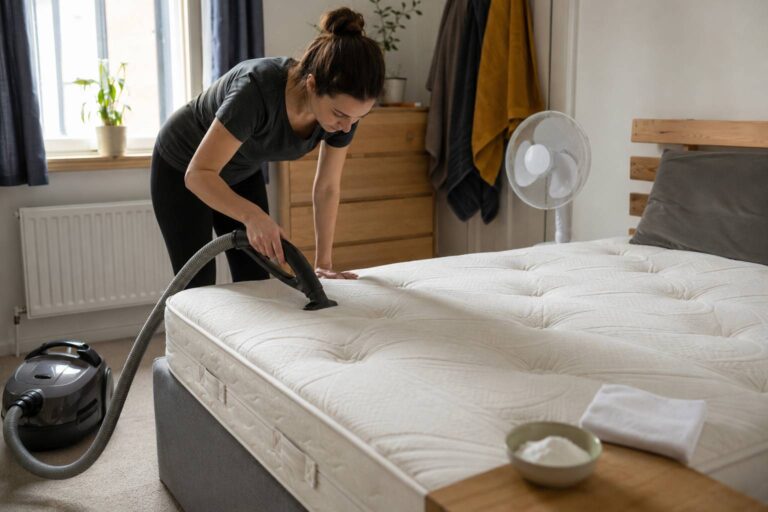
Vacuuming keeps a carpet looking tidy, but it only manages what’s on the surface. Underneath, grit, skin cells, spilled drinks and everyday wear settle into the base of the fibres, where a domestic vacuum simply can’t reach. That’s the job professional cleaning does, and knowing when to book it makes a real difference to how a carpet looks, smells and lasts.
Most carpets need a professional clean every 12 to 18 months. Homes with children, pets, allergy sufferers or heavy daily traffic often do better on a shorter cycle of 6 to 12 months, and in more demanding conditions, persistent odours, smoking, or allergy-sensitive households, every 3 to 6 months works better. Always check your carpet’s care guide or warranty terms too, as some set their own requirements.
How Often Should Carpets Be Professionally Cleaned?
For an average home with no particular complicating factors and a regular vacuuming routine, professional cleaning every 12 to 18 months is a reasonable starting point. This isn’t an arbitrary figure, it reflects roughly how long it takes for ground-in soil to build up beyond what routine vacuuming and spot cleaning can manage.
That said, treat it as a guideline rather than a fixed rule. Before settling on a schedule, it’s worth checking your carpet’s own care label or, if it’s still under warranty, the manufacturer’s documentation. Some warranties set out a required cleaning interval, often verified through professional service invoices, and skipping this can affect a claim later on. Where the label and this general guidance disagree, follow the label.
Recommended Carpet Cleaning Schedule
Household or Space Type | Recommended Professional Cleaning Frequency |
Low-traffic home | 12–18 months |
Average family home | 12 months |
Home with children or pets | 6–12 months |
Allergy or asthma sufferers in the household | 3–6 months (speak to a health professional for advice specific to your situation) |
Smokers or persistent odours | 3–6 months |
High-traffic areas within the home (hallways, stairs, living room) | 6–9 months |
Rental property | End of each tenancy, and between tenants where needed |
Low-traffic office | 6–12 months |
High-traffic commercial space | 3–6 months, or per your maintenance schedule |
These ranges are a general guide. Your carpet’s actual condition and the manufacturer’s instructions should always take priority over any standard schedule.
Not sure which schedule fits your home? Tell us via WhatsApp about your carpet, household and when it was last professionally cleaned, and we can recommend a suitable next step.
Commercial spaces have very different demands, see how often office carpets should be cleaned.
What Changes the Recommended Cleaning Frequency?
The 12–18 month baseline assumes fairly average conditions. A number of everyday factors can shorten, or occasionally lengthen, that window.
Foot Traffic and Outdoor Shoes
Hallways, staircases and the areas just inside external doors collect grit and outdoor dirt faster than anywhere else in the home. In wet weather, that grit gets tracked in on damp shoes and works its way down into the pile, where it behaves almost like an abrasive every time someone walks over it. If these areas look duller or flatter than the rest of the carpet, that’s usually foot traffic rather than a fault with the carpet itself.
Pets
Fur, dander, natural skin oils and the odd muddy paw all add up over time, and pet hair in particular tends to work its way deep into the base of the pile rather than sitting on the surface. Accidents are a separate issue: a fresh stain or patch of odour from a pet shouldn’t wait for the next scheduled clean. The sooner it’s treated, the less likely it is to set into the fibres or backing.
Also read: How to Remove Pet Urine Smell from Carpet
Babies and Young Children
Young children spend a lot of time in direct contact with the floor, and spilled food, drinks and general mess are part of daily life in most family homes. This doesn’t mean a carpet becomes unsafe between cleans, just that households with small children often find a shorter interval, generally 6 to 12 months, easier to keep on top of than waiting the full 18.
Allergies, Asthma and Indoor Air Concerns
Carpet fibres can hold onto dust, pollen and pet dander that build up over weeks and months. Professional deep cleaning can help reduce this accumulation as part of a wider approach to managing a home’s indoor environment. It isn’t a treatment for allergies or asthma, and anyone with ongoing symptoms should speak to a GP or allergy specialist for advice specific to their situation.
Frequency matters most for allergy sufferers, see whether cleaning removes dust mites and allergens.
Carpet Fibre, Pile and Colour
Wool, synthetic and blended carpets respond differently to cleaning products and methods, and a deep pile holds more soil than a low, tightly woven one. Colour affects how visible dirt is, not how much of it is actually there, a dark carpet can be just as soiled as a light one; it simply shows less. If you’re unsure what your carpet is made from or how it should be treated, it’s worth getting a professional opinion before committing to a schedule.
Smoking, Cooking Odours and Urban Living
Smoke particles and cooking odours settle into carpet fibres over time in much the same way as dust does, which is why a smoking household or a kitchen-adjacent living space often needs cleaning closer to the 3–6 month mark to keep odours from building up.
Warranty and Manufacturer Instructions
This is worth checking before anything else. Some carpet warranties require professional cleaning at set intervals, and a few ask for proof, usually an invoice, if you ever need to make a claim. Requirements vary by manufacturer, so there’s no single standard that applies across every brand; the care label or warranty document that came with your carpet is the definitive source.
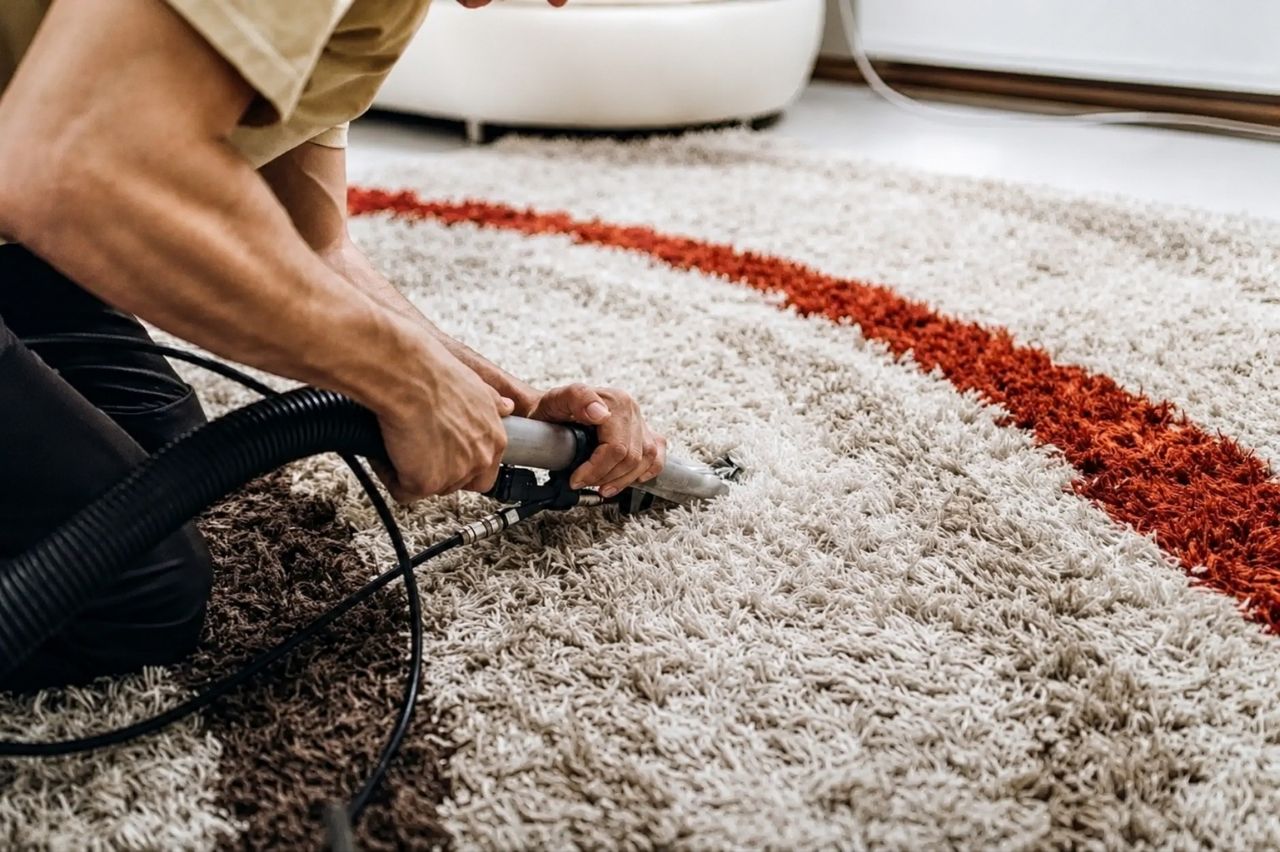
Signs Your Carpet Needs Cleaning Before the Scheduled Date
Some situations are worth acting on regardless of where you are in the usual cycle:
- A musty or stale smell that doesn’t lift after vacuuming
- Stains, discolouration or dark lines forming along well-used paths
- Pile that looks flattened, dull or matted rather than soft and springy
- Odours that return quickly after vacuuming or a spot clean
- A pet accident, spill or unknown stain that needs prompt attention
- Noticeably more dust, or discomfort for anyone sensitive in the household
- Moving into a property where the carpet’s cleaning history isn’t known
If any of this points to something more serious, water damage, a suspected damp or mould problem, or contamination from an unknown source, that’s a separate issue from routine cleaning and is worth having assessed on its own before anything else is done.
If your carpet has persistent odours, pet accidents or visible traffic marks, it may need attention before the usual 12-month point. Send us a few details via WhatsApp and we’ll advise on next steps
Sofas need their own schedule too, check how often sofas should be professionally cleaned.
Vacuuming vs Professional Carpet Cleaning
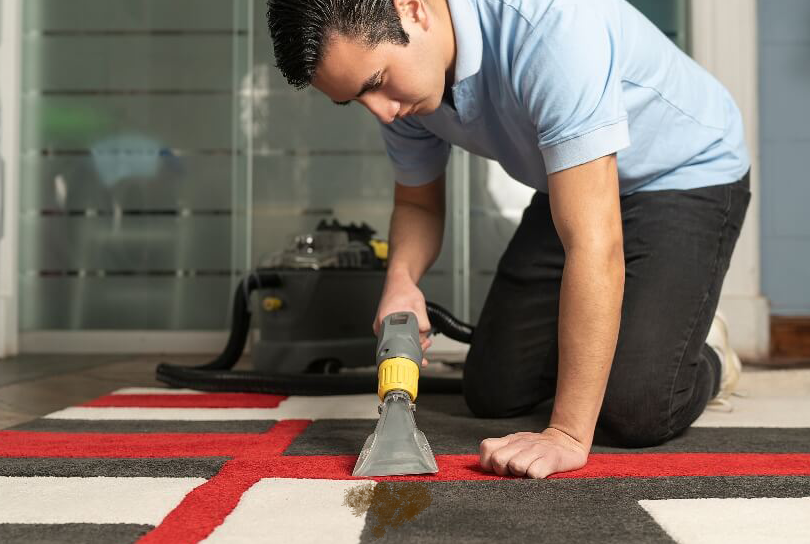
These aren’t competing approaches, each does a different job. Vacuuming clears loose dirt and dust from the surface and needs to happen regularly: at least once a week for most homes, and more often in high-traffic areas or pet households. Spot cleaning deals with an isolated spill or mark as it happens. Professional deep cleaning reaches the soil that’s worked its way past both of those, down into the base of the pile, and is really the only practical way to shift it.
None of the three replaces the others. A carpet that’s vacuumed weekly but never deep cleaned will still accumulate ground-in soil over time; one that’s deep cleaned occasionally but rarely vacuumed will pick up surface dirt faster than it should.
Can You Clean Carpets Too Often?
In principle, yes, though the issue usually isn’t frequency on its own. If a cleaning method, product or rinse isn’t suited to the carpet’s fibre type, or if the carpet isn’t given enough time to dry properly between cleans, that can lead to residue build-up, over-wetting or changes to the texture of the pile, regardless of how often it’s done.
Getting the fibre type and method right, and allowing proper drying time, matters more than sticking rigidly to a fixed number of cleans per year. If you’re considering a tighter schedule than the ranges above, for a very high-traffic commercial space, for example, it’s worth having the carpet’s fibre and construction checked first.
Stay on schedule with our professional carpet cleaning service.
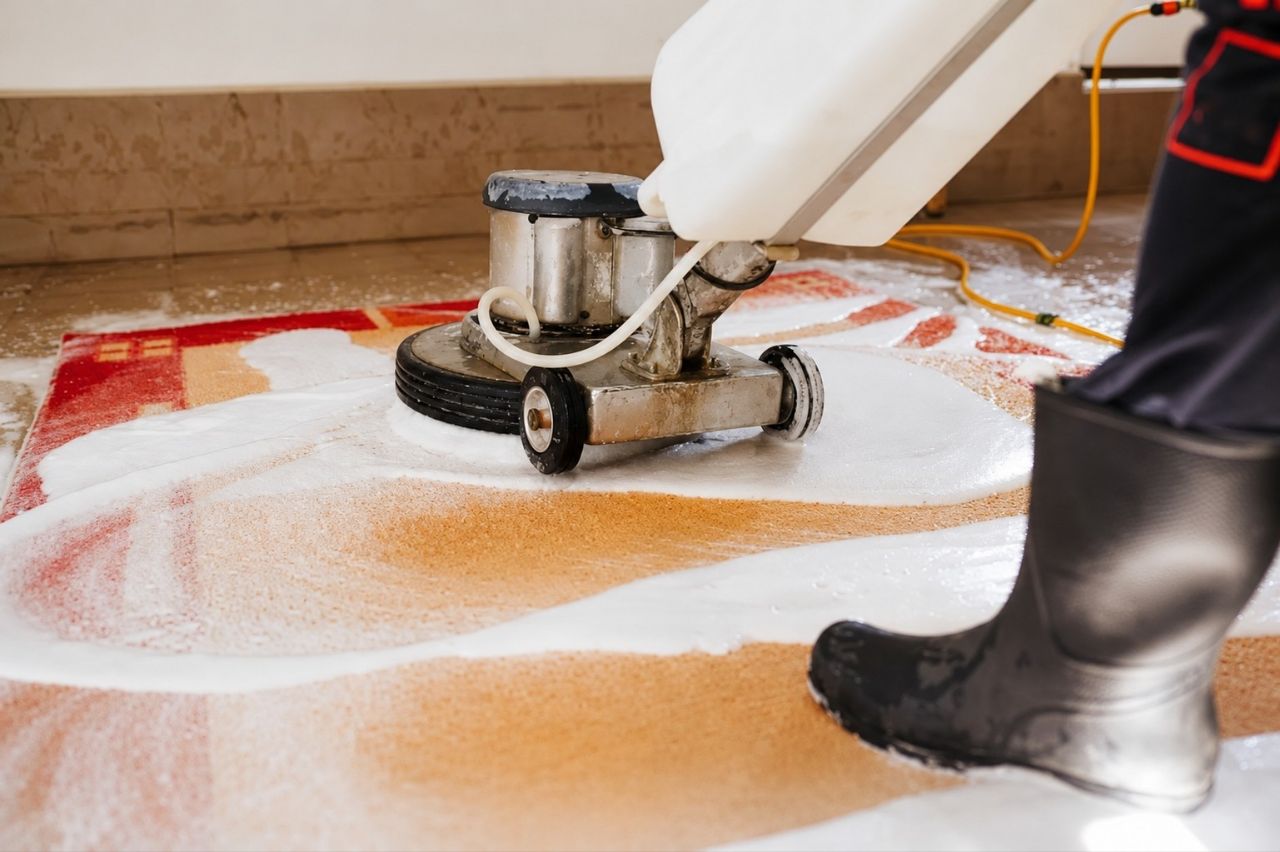
A Practical Schedule for London Homes
A few things about living in London affect this schedule in practice, even if the underlying guidance doesn’t change. Wet pavements mean shoes track in more moisture and grit for a large part of the year, entryways in terraced houses and flats tend to see concentrated traffic in a small space, and many flats have more limited ventilation than a detached house, which affects how quickly a carpet dries after cleaning, typically up to 24 hours, depending on conditions, room airflow and carpet type.
There isn’t really a single best season to book a clean; a more useful approach is choosing a day when you can leave windows open or a fan running, and when the room won’t need heavy use while the carpet dries.
How to Extend the Time Between Professional Cleans
- Vacuum regularly, using equipment suited to your carpet type
- Use entrance mats and, where practical, reduce outdoor-shoe traffic on carpeted areas
- Blot spills as soon as they happen rather than scrubbing at them
- Only use a spot treatment that’s suitable for your carpet, and check the care instructions first
- Deal with pet accidents promptly rather than just masking the smell
- Avoid over-wetting or using more product than the manufacturer’s instructions recommend
- If a stain, smell or patch of dampness doesn’t clear, get it looked at rather than waiting for the next scheduled clean
When to Book a Professional Carpet Clean
If you’re not sure when your carpet was last professionally cleaned, what it’s made from, or what a particular stain is, the easiest next step is to send us a few photos and some details about the room. We can advise on whether it fits a standard schedule or needs attention sooner.
Need professional carpet cleaning in London?

Not sure when to schedule a deep carpet cleaning? Learn about the best time of year to clean carpet for the best results.
Frequently Asked Questions
How often should carpets be professionally cleaned in a typical home?
For an average home with regular vacuuming and no particular complicating factors, every 12 to 18 months is a reasonable guideline. Always check your carpet’s care label or warranty terms too, since some manufacturers set their own required interval for cleaning claims to remain valid.
How often should you clean carpets if you have pets?
Most pet-owning households benefit from professional cleaning every 6 to 12 months, since fur, dander and paw dirt build up faster than in a pet-free home. Accidents and odours shouldn’t wait for the scheduled clean — treat these as soon as you notice them.
How often should carpets be cleaned with children in the home?
Families with young children often find 6 to 12 months works better than the full 18-month interval, mainly because of spills and close floor contact. This is about practical upkeep rather than any particular risk from waiting the standard amount of time.
Is vacuuming enough to keep carpets clean?
No. Vacuuming removes surface dirt and dust and should happen at least weekly, but it can’t reach soil that’s settled into the base of the pile. Professional deep cleaning handles that deeper layer, so the two work together rather than one replacing the other.
Can professional carpet cleaning be done too often?
It can cause issues if the method or products aren’t suited to the fibre type, or if the carpet doesn’t dry properly between cleans. Fibre type, method and drying time matter more than sticking to a strict number of cleans per year.
Should landlords professionally clean carpets between tenants?
Many landlords choose to have carpets professionally cleaned at the end of a tenancy to keep them in good condition for the next occupant, though specific requirements depend on the tenancy agreement. For guidance on obligations, check the agreement itself or official government guidance.
How do I know if my carpet needs cleaning sooner than scheduled?
Watch for lingering odours, stains or dark lines on well-used paths, matted or flattened pile, smells that return quickly after vacuuming, or a pet accident. If you’ve just moved in and don’t know the carpet’s cleaning history, that’s also worth acting on early.