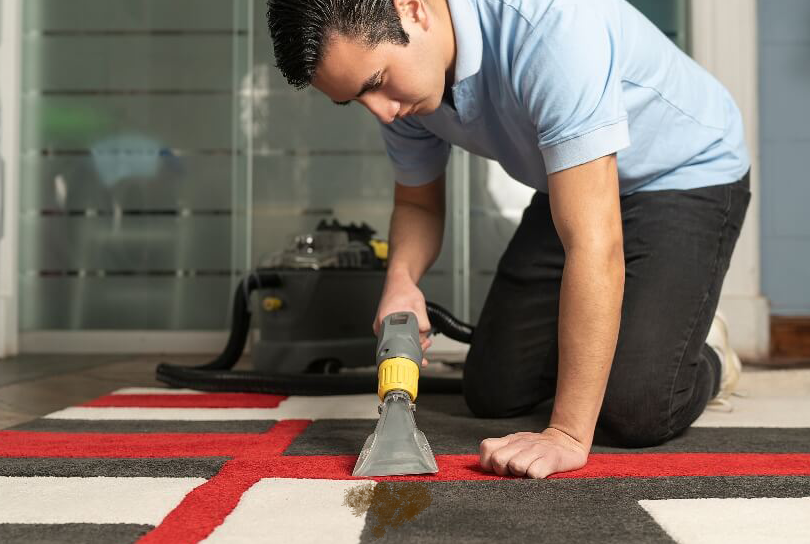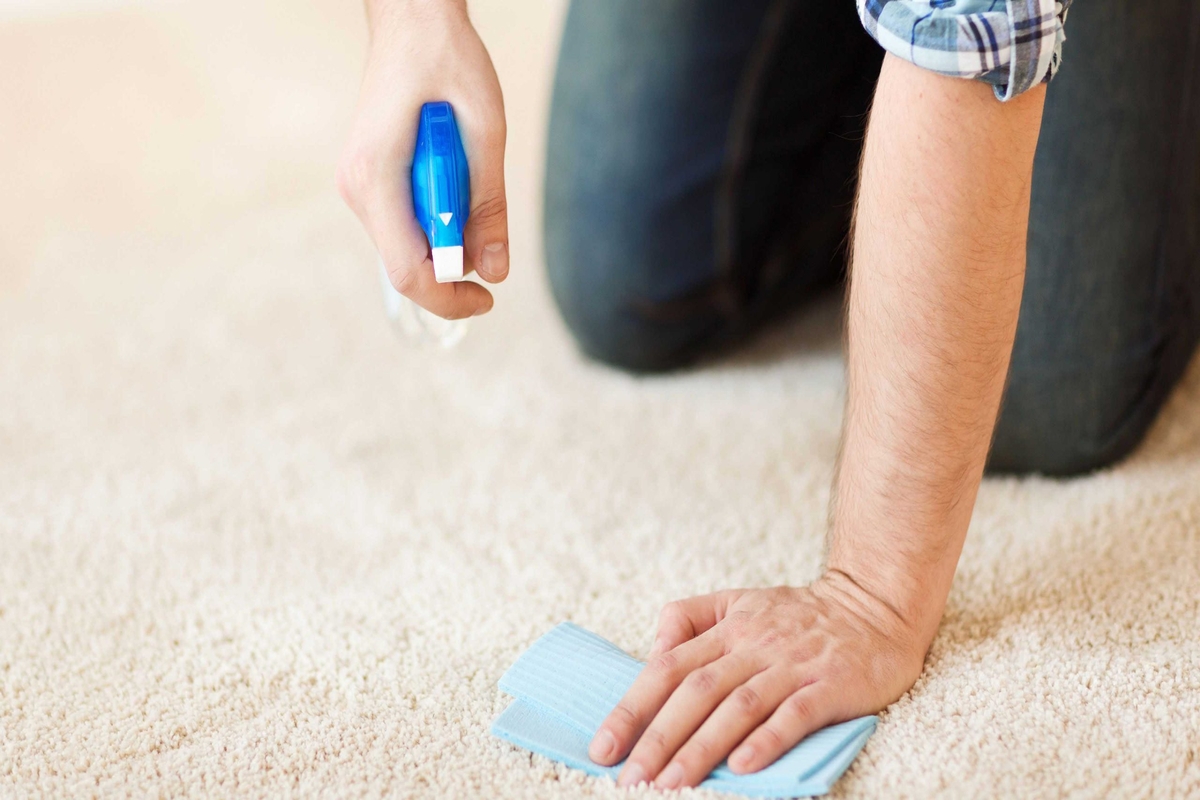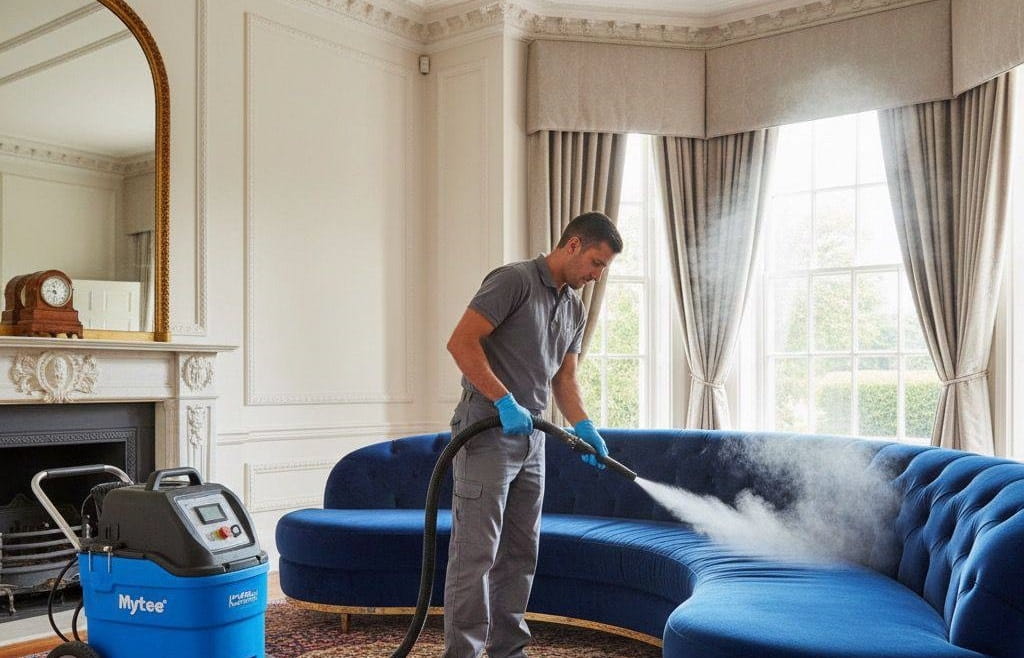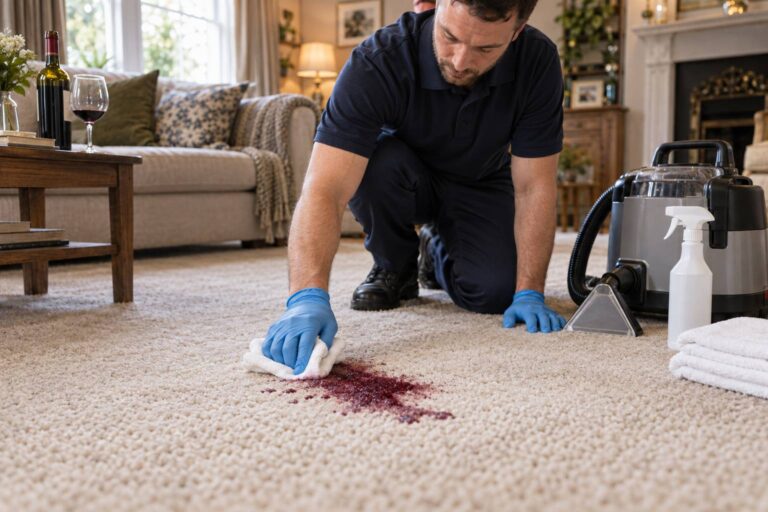
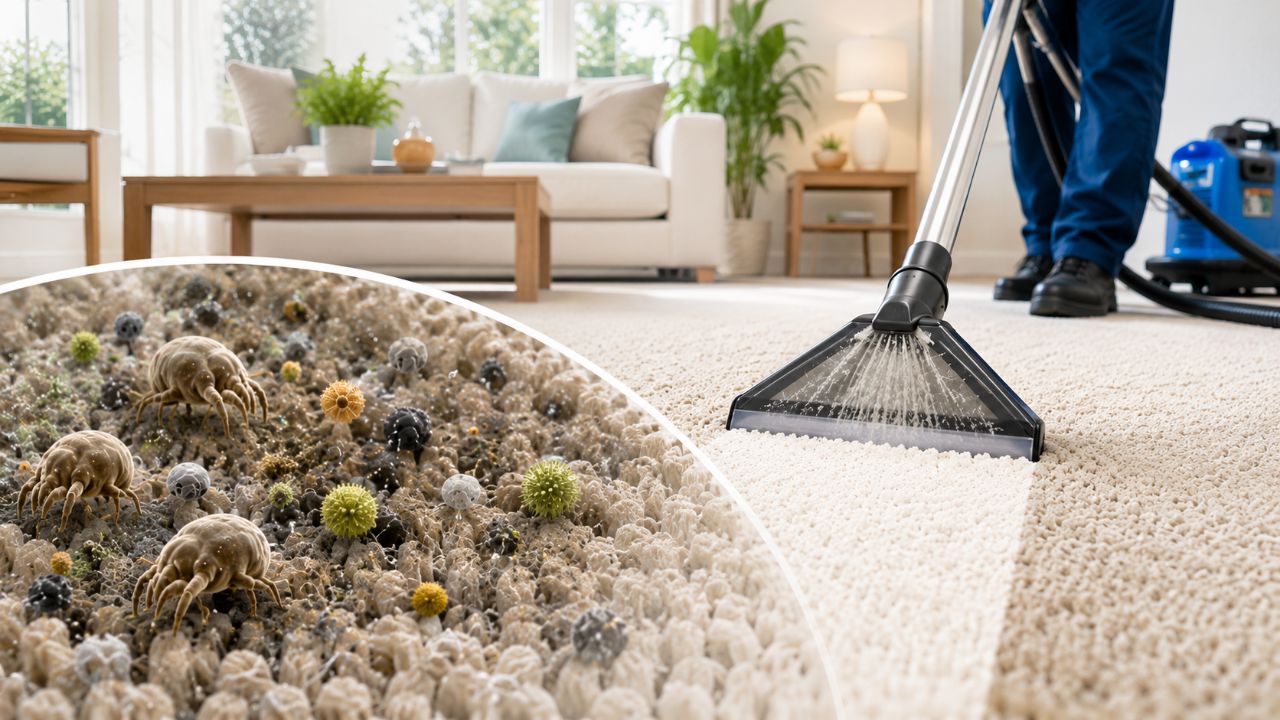
Yes. Professional carpet cleaning can reduce dust mites and remove some of the allergen matter trapped in carpet fibres, including mite debris, pet dander, pollen and dust, particularly when the process includes thorough extraction. It cannot make a carpet or home completely allergen-free or cure an allergy.
If you or someone in your household reacts to dust, pollen or pet hair, you may wonder whether deep cleaning the carpet genuinely helps or merely improves its appearance. The honest answer is that it can reduce the amount of allergen matter present, but the result depends on the cleaning method, the carpet and what happens after the clean.
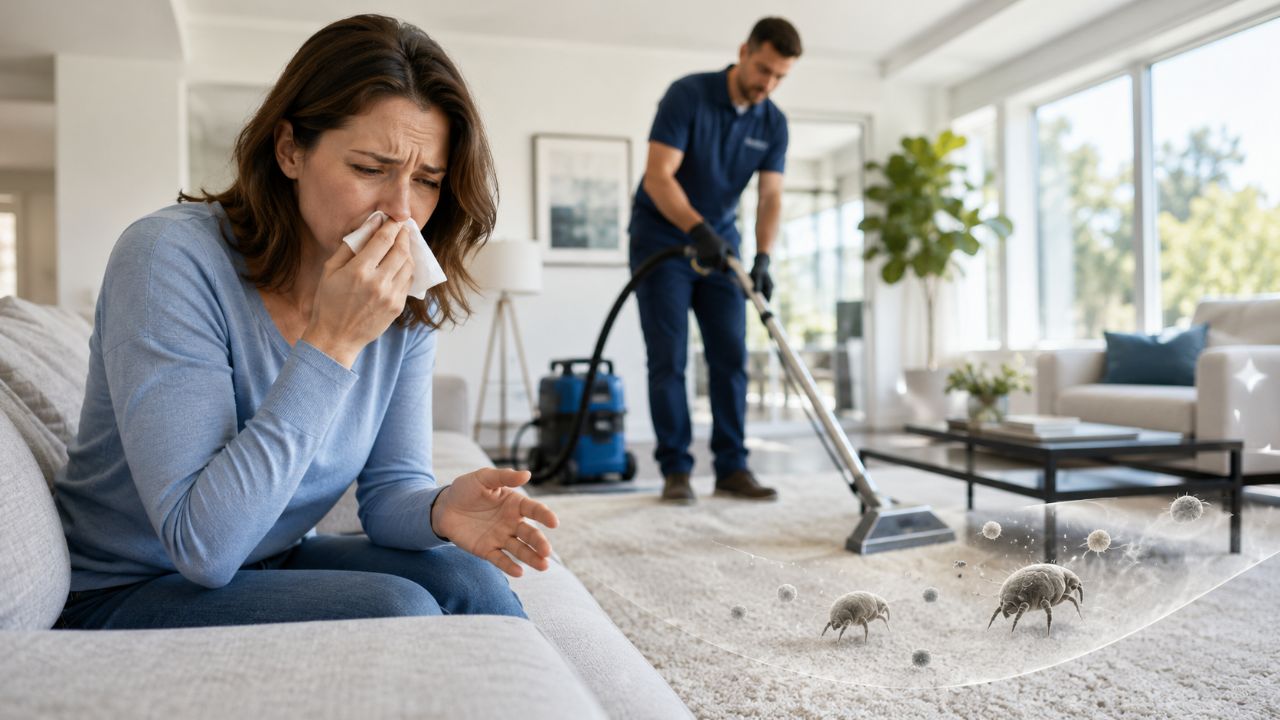
House dust mites are too small to see, and most dust mite reactions are caused by proteins in their droppings and remains rather than by the mites themselves. Carpets can also collect pet dander, pollen and everyday dust. This is normal in a lived-in home and is not, by itself, a sign of poor housekeeping.
This guide explains what professional and domestic carpet cleaners can realistically remove, how different methods compare and what else can help reduce exposure in an allergy-conscious home.
Does Professional Carpet Cleaning Remove Dust Mites and Allergens?
Proper professional carpet cleaning can reduce dust mites and physically remove some of the allergen matter trapped in the pile. High temperatures may affect mites when the required heat reaches them for long enough, while strong extraction removes loosened mites, droppings, remains, dust, pollen and dander. These are related but different outcomes: killing mites is not the same as removing the material that triggers reactions.
How much is removed depends on the method, extraction strength, fibre type, pile density, existing build-up, pre-treatment, rinsing and drying. A thick or heavily soiled carpet may hold more embedded material than a low-pile carpet, and not every fibre can safely tolerate the same level of heat or moisture.
It is also important to set expectations correctly. Dust, skin cells, pollen carried on clothing and shoes, and pet dander begin settling again after cleaning. Professional cleaning reduces the existing load; it does not create a permanent barrier against allergens or prevent dust mites on its own.
What Allergens Can Build Up in Carpets?
Dust Mites and Dust Mite Allergen
House dust mites are microscopic creatures that thrive in warm, humid environments and feed on shed skin cells, which makes soft furnishings such as carpets, mattresses and upholstery a natural place for them to live. The allergen itself mostly comes from proteins in their droppings and body remains, rather than from the mites directly. This is one reason removing mites isn’t the whole picture, the debris they leave behind also needs to be extracted from the fibres.
Pet Dander
Pet dander refers to tiny flecks of skin shed by cats, dogs and other furry animals. It settles easily into carpet fibres, and allergens can also be carried in saliva and urine, not just in loose hair. This means vacuuming up visible pet hair isn’t the same as removing all the allergen-carrying material from a carpet.
Also read: How to Remove Pet Urine Smell from Carpet
Pollen and Outdoor Particles
Pollen doesn’t stay outdoors. It’s carried indoors on shoes, clothing, bags and pet fur, and settles into carpet fibres alongside everyday dust. In a busy city like London, with constant foot traffic in and out of homes, this kind of transfer happens continuously, there’s no need for alarming statistics to make the point; it’s simply an ordinary part of how any home accumulates dust over time.
Mould Spores and Damp
A carpet that has been damp, or has a history of water damage, is a different situation altogether. Persistent moisture can point to an underlying issue that needs proper assessment rather than a standard clean. Professional carpet cleaning isn’t a substitute for damp remediation or investigating the cause of moisture, if you suspect either, it’s worth having the situation looked at by a specialist before booking a routine clean.
Damp, allergen-heavy carpets are also prone to mould, see can professional carpet cleaning remove mould.
How Does Carpet Cleaning Reduce Allergen Exposure?
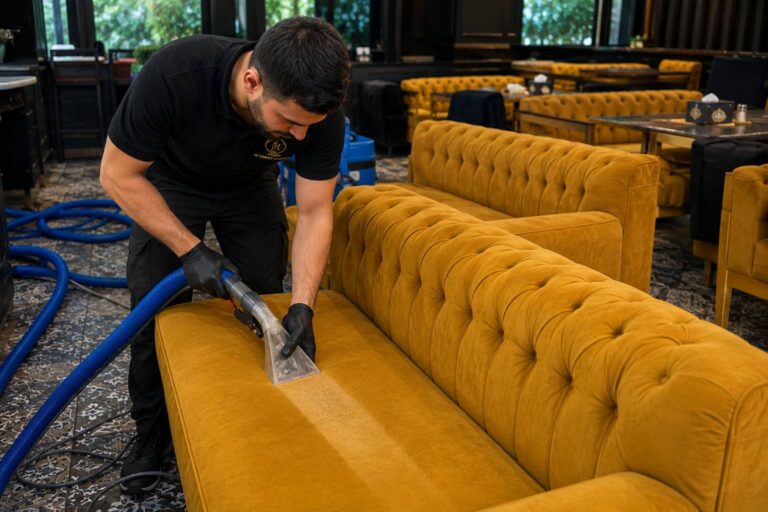
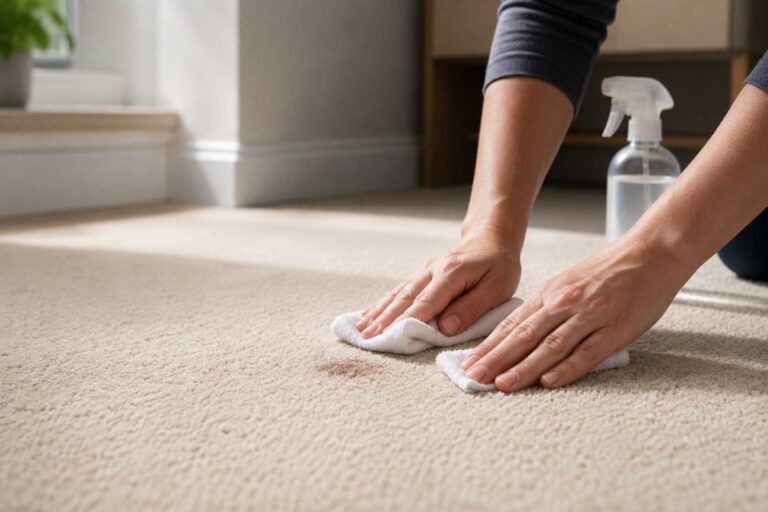
Carpet cleaning can reduce allergen exposure by removing particles held within the pile rather than only lifting visible surface dirt. Pre-vacuuming collects loose dust and hair. Suitable agitation or pre-treatment then loosens material attached to the fibres. During the cleaning stage, water or an appropriate solution suspends dust mite debris, dander, pollen and soil so that extraction can remove the dirty liquid and loosened particles.
Thorough rinsing helps prevent cleaning residue from remaining in the carpet, while controlled moisture and complete drying reduce the risk of damp-related problems. The process can lower the amount of allergen matter present at the time of cleaning, but it does not treat an allergy or stop new particles from accumulating.
How Different Carpet Cleaning Methods Affect Allergens
Hot Water Extraction
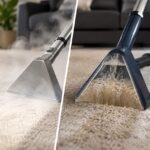
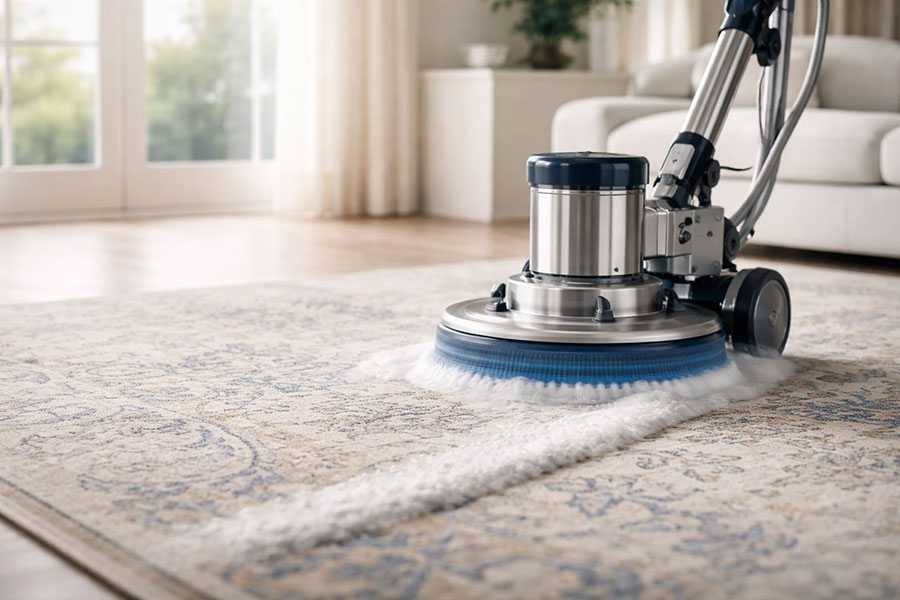
Hot water extraction typically involves pre-vacuuming, applying a suitable treatment to loosen soiling, injecting hot water or a cleaning solution into the pile, and then extracting it back out along with the dirt and debris it has picked up. The main benefit for allergy purposes is this extraction step, it’s what physically removes dust and allergen matter from the carpet, rather than simply redistributing it.
It’s worth noting that hot water extraction and steam cleaning aren’t quite the same process, even though the terms are sometimes used interchangeably in marketing. For a closer look at the difference, see our comparison of hot water extraction versus steam cleaning.
High-Temperature Steam
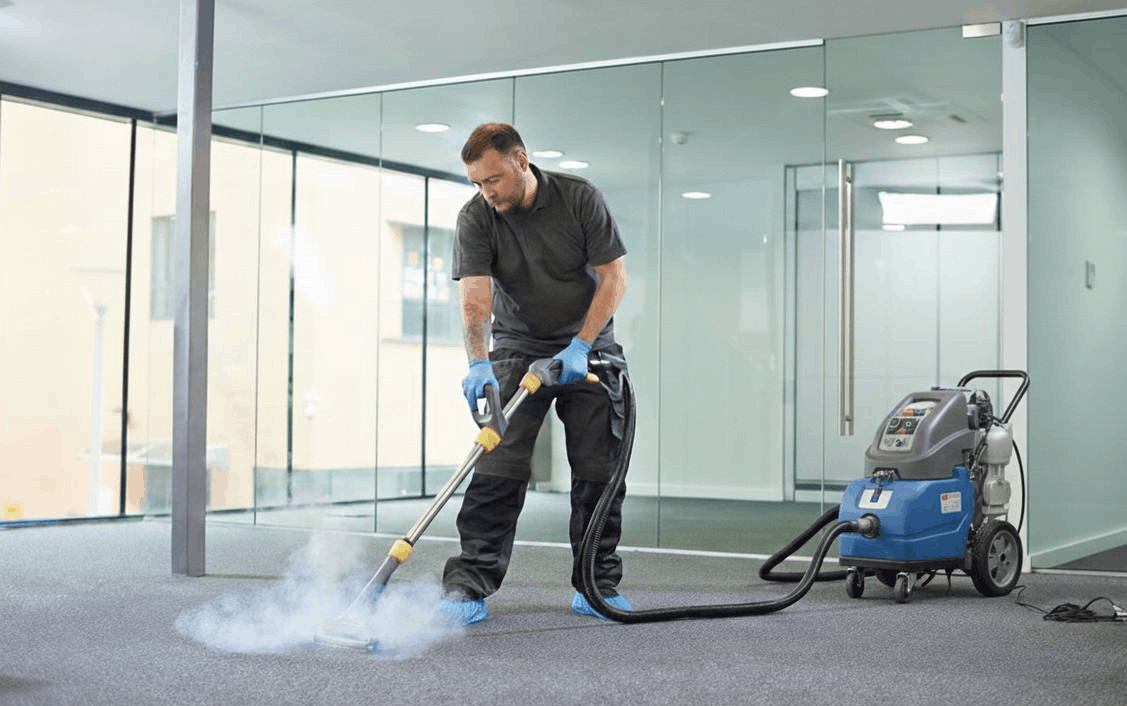
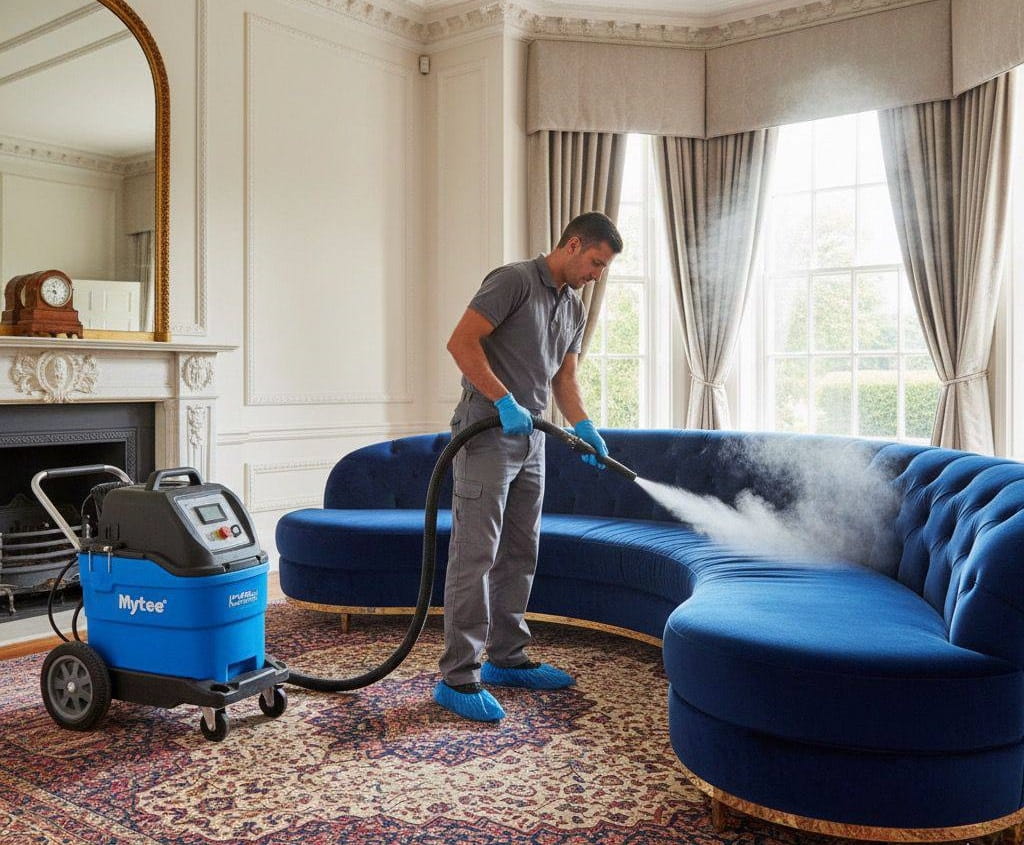
Sufficiently high heat can have an effect on dust mites, but the outcome depends on factors such as the actual temperature reaching the target area, how long that heat stays in contact with the fibres, and whether the method suits the carpet in question. It’s also important to remember that killing mites and removing the allergen-carrying debris are two different things, heat alone, without proper extraction, doesn’t necessarily clear the material that triggers reactions. High heat isn’t automatically appropriate for every fibre, including some wool or delicate carpets, so this should be assessed rather than assumed.
Dry or Low-Moisture Cleaning
Dry or low-moisture methods can be a sensible choice for certain fibres, or where minimal drying time matters. How much allergen material this removes still comes down to the specific system and how effective its extraction step is being a “dry” process doesn’t automatically make it more or less effective than hot water extraction for allergen removal.
HEPA Vacuuming
Regular HEPA vacuuming is best thought of as ongoing maintenance rather than a replacement for periodic deep cleaning. Allergy UK’s guidance on house dust mite allergy points to high-filtration vacuuming and high-temperature steam cleaning as approaches worth considering where removing a carpet altogether isn’t practical. Vacuuming slowly and consistently helps collect dust and loose particles between professional cleans. If you’re particularly sensitive, it may be worth stepping out of the room while vacuuming, or following any specific advice your GP or allergy specialist has given you.
Method | Useful for | Main limitation | Best use |
HEPA vacuuming | Loose dust, hair and surface particles | Cannot wash or extract embedded long-term build-up | Regular maintenance |
Hot water extraction | Deep removal of soil and allergen debris | Needs correct rinsing and adequate drying | Periodic professional cleaning |
High-temperature steam | May affect mites when heat and contact time are sufficient | Heat alone does not remove all debris; unsuitable for some fibres | Carpets confirmed suitable for heat |
Low-moisture cleaning | Faster drying and moisture-sensitive fibres | Results depend on the specific collection or extraction system | Delicate fibres or time-sensitive rooms |
Domestic upright cleaner | Light-to-moderate washing and extraction | Variable heat and suction; risk of residue or overwetting | Interim maintenance when used correctly |
Can an Upright Carpet Cleaner Remove Allergens and Dust Mites?
A domestic upright carpet cleaner can remove more embedded dust, dander and allergen debris than ordinary vacuuming if it washes the pile and extracts the dirty solution effectively. It may therefore help with a bedroom carpet that has not been deep cleaned for years, but it cannot guarantee that dust mites are killed or that all allergen matter has been removed.
Performance varies according to the machine, water temperature, suction, cleaning solution, technique, carpet construction and the amount of build-up. Compared with professional equipment, an upright cleaner may leave more moisture or detergent in the carpet if it is overused or moved too quickly during extraction.
Follow the instructions supplied by both the carpet and machine manufacturer. Avoid excessive solution, make extra dry passes where recommended, ventilate the room and do not replace furniture until the carpet is fully dry. If the carpet is delicate, heavily soiled, affected by damp or has not been cleaned for many years, a professional assessment is safer than experimenting with repeated wet cleaning.
If you are deciding between hiring a machine and booking a technician, read DIY vs Professional Carpet Cleaning.
Can Carpet Cleaning Make Allergies Worse?
In some circumstances, yes, usually temporarily, or when something in the process doesn’t suit the household. Vacuuming and general agitation can stir up settled dust and particles, making them airborne for a short period. Fragranced products or cleaning residue left in the fibres can be irritating for people who are particularly sensitive. Overwetting, or a carpet that dries too slowly, isn’t ideal either, our guide to carpet drying time after cleaning covers what affects this.
If you have allergies or sensitivities, it’s worth mentioning this before your carpet is cleaned. A suitable company should be able to talk through product choice and method with your fibre type and household in mind, and take ventilation and drying time seriously rather than treating them as an afterthought.
How Often Should Allergy Sufferers Clean Their Carpets?
There isn’t a single frequency that suits everyone. It depends on factors such as how many people live in the home, whether you have pets, how severe symptoms are, how much foot traffic the carpet sees, humidity levels, the type of carpet, and any care guidance from its manufacturer.
As general maintenance, keeping up regular HEPA vacuuming between professional cleans is worthwhile. A professional assessment is a good idea if you notice visible build-up, persistent odours, or if it’s been a considerable time since the carpet was last properly cleaned. For more detail on timing, see our guide: How Often Should Carpets Be Professionally Cleaned?
A Whole-Home Plan to Reduce Dust Mite Exposure
Organisations such as Allergy UK and Asthma + Lung UK are clear that eliminating dust mites completely isn’t realistic. Instead, they point towards a combination of practical, ongoing steps:
- Vacuum carpets and upholstery regularly with a suitable high-filtration or HEPA vacuum.
- Damp-dust surfaces rather than dry-dusting, which tends to redistribute dust rather than remove it.
- Wash bedding regularly, following current health guidance and the fabric’s care instructions.
- Keep rooms ventilated and manage indoor humidity where practical.
- Address leaks, damp patches or slow-drying textiles promptly rather than leaving them.
- Consider allergen-barrier bedding covers where appropriate for your situation.
- If practical and advised, reduce excess dust-trapping soft furnishings.
- Speak to a GP, practice nurse or allergy specialist if symptoms persist, worsen, or haven’t been properly diagnosed.
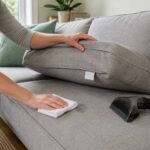
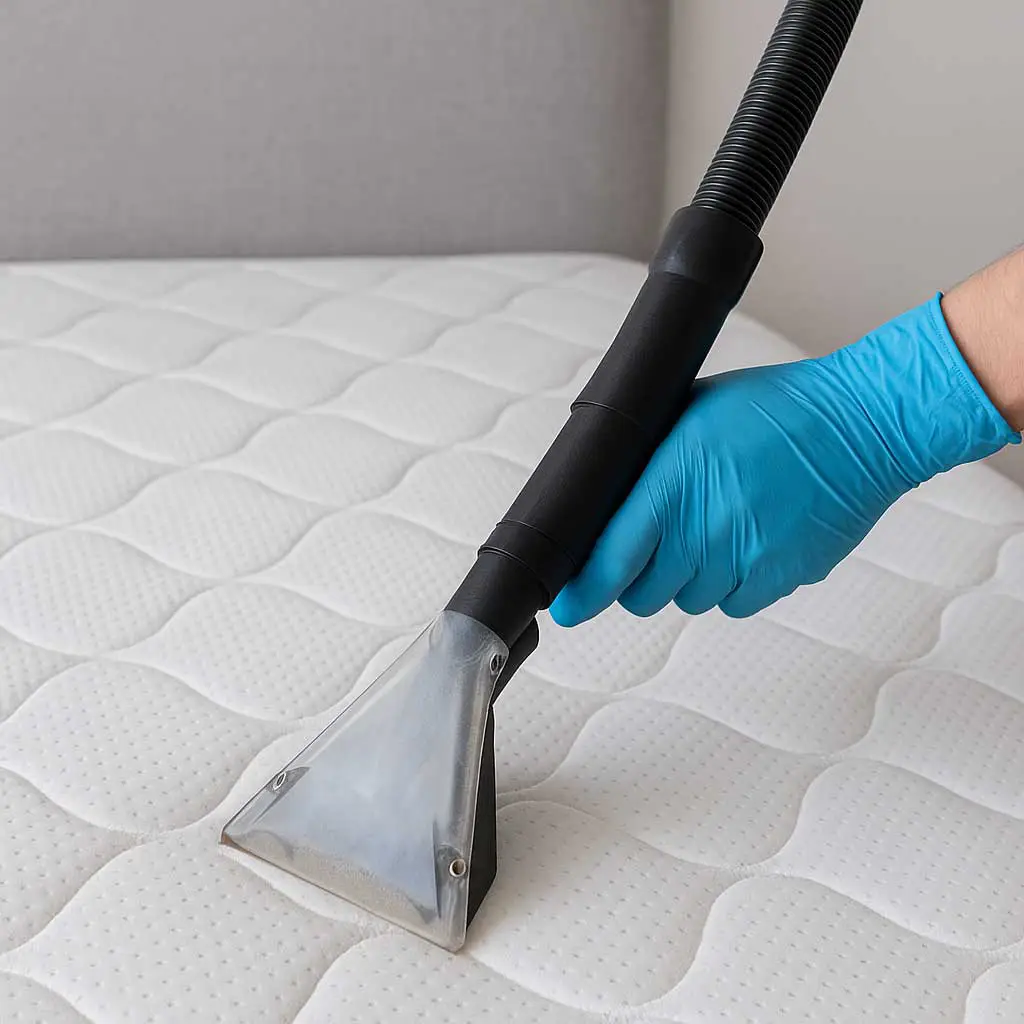
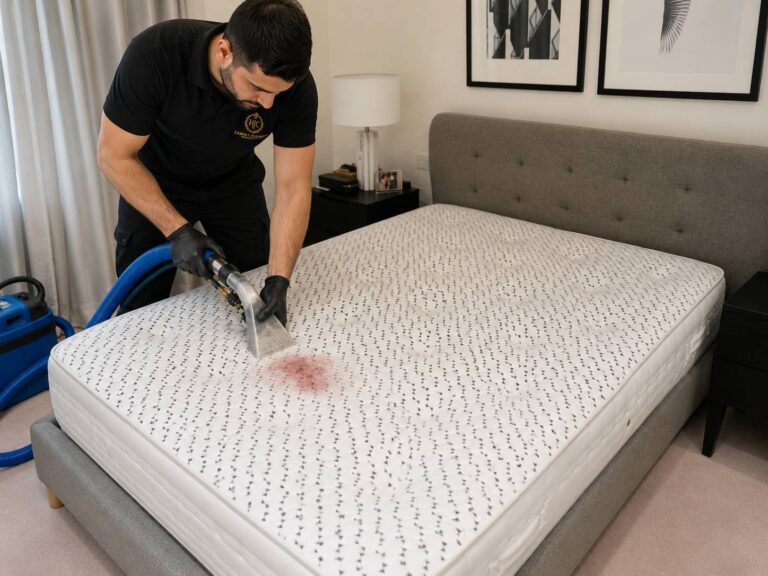
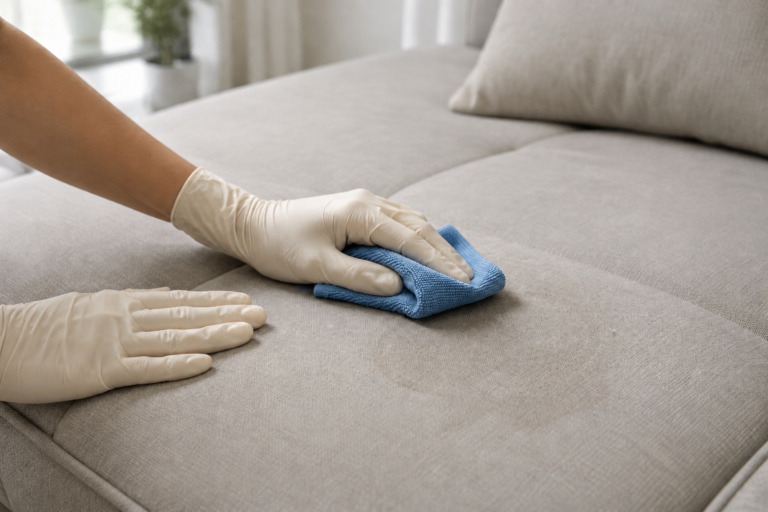
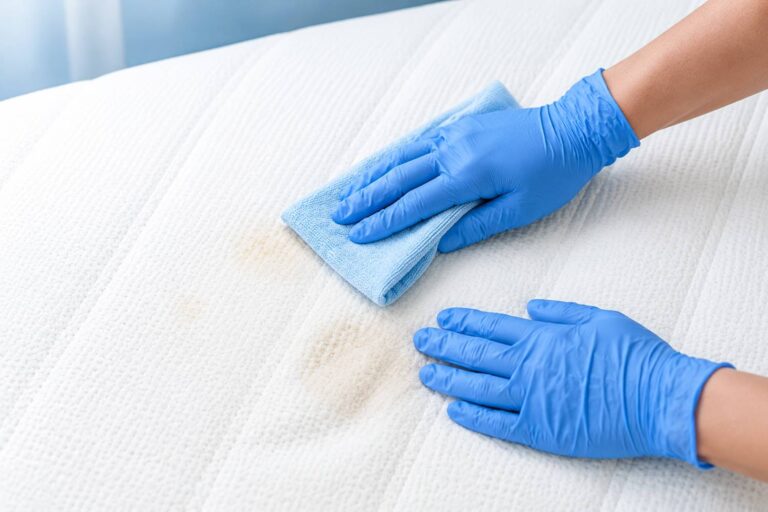
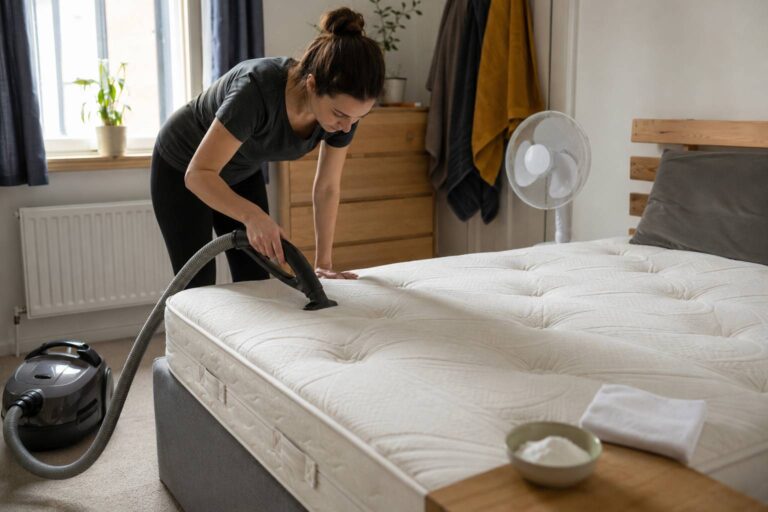
Carpet cleaning is only one part of this picture. Bedrooms, mattresses, bedding and upholstery can matter just as much, sometimes more, when it comes to reducing overall exposure, which is where our mattress cleaning service can complement carpet care.
Mattresses harbour just as many mites, see mattress drying time to keep yours dry and hygienic.
What to Ask a Carpet Cleaner If You Have Allergies
- Which method is suitable for this carpet’s fibre and construction?
- Does the process include thorough pre-vacuuming and extraction, not just surface treatment?
- Which products will be used, and are fragrance-free or low-residue options available?
- How will the carpet be rinsed, and what’s the expected drying time?
- How long should the room stay unused and ventilated afterwards?
- Can previous damp, suspected mould, or damaged backing be assessed before cleaning begins?
Professional Carpet Cleaning for Allergy-Conscious Homes in London
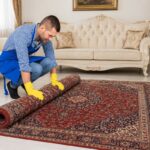
For allergy-conscious homes, HiCC begins by assessing the carpet fibre, construction, condition, level of build-up and any sensitivities reported by the household. The cleaning method and products can then be selected to suit the carpet, with attention given to extraction, controlled moisture, rinsing and drying rather than relying on a one-size-fits-all treatment.
Professional cleaning cannot promise an allergen-free home or a medical outcome. It can, however, remove embedded soil and reduce some of the dust mite debris, pollen, dander and dust held within a suitable carpet.
If you need professional carpet cleaning in London, send photographs, approximate room sizes and your postcode via WhatsApp. HiCC can review the carpet, recommend the appropriate method and confirm the quotation before arranging an appointment.
Need professional carpet cleaning in London?
Frequently Asked Questions
Does professional carpet cleaning kill dust mites?
Some methods that reach sufficiently high temperatures may affect dust mites, but this depends on the method and conditions used, and the allergen-carrying debris still needs to be properly extracted. Complete elimination isn’t guaranteed.
Does carpet cleaning remove dust mite allergens?
Thorough extraction can remove some of the allergen matter trapped in carpet fibres and reduce the overall amount present, but it won’t remove every particle, and levels build back up over time.
Does carpet cleaning remove pet dander and pollen?
It can remove some of the dander and pollen trapped in the pile. How much depends on how deeply embedded the particles are, the method used, and the strength of extraction.
Is steam cleaning or hot water extraction better for allergies?
These terms aren’t strictly interchangeable. Which is more suitable depends on your goals, the carpet’s fibre type, and how thorough the extraction and drying process is, there isn’t one universal answer.
Can carpet cleaning temporarily make allergies worse?
For some people, yes. Agitation can stir up settled dust, fragranced products or residue may be irritating, and slow drying isn’t ideal. Planning ahead, ensuring good ventilation, and flagging any sensitivities beforehand all help.
How long should allergy sufferers stay out of a room after carpet cleaning?
There’s no fixed figure, it depends on the method, products used, ventilation and drying time. Follow your technician’s guidance, and any advice from your own healthcare provider if you have a diagnosed condition.
How often should carpets be cleaned for allergies?
There’s no single schedule that suits everyone. Regular HEPA vacuuming, an honest look at how the home and carpet are used, and professional cleaning timed around visible build-up all play a part.
Can carpet cleaning cure a dust mite allergy?
No. Cleaning may help reduce your exposure, but it doesn’t cure an allergy. Diagnosis and treatment should come from a GP or allergy specialist.