Most professionally cleaned carpets are touch-dry within 2–6 hours and fully dry within approximately 6–12 hours. However, thick wool carpets, deep piles, limited ventilation and cold or humid weather can extend the total drying time to 12–24 hours.
A carpet may feel dry on the surface while moisture remains deeper in the pile or underlay. Before replacing furniture or allowing normal foot traffic, it is therefore important to check that the carpet is fully dry—not simply dry to the touch.
Before arranging a visit, review current carpet cleaning prices in London and the factors that can affect the final quote.
Carpet Drying Times at a Glance
The following estimates provide a practical guide, but actual drying times depend on the carpet, cleaning method and conditions inside the property.
Cleaning situation | Touch-dry | Fully dry |
Professional hot water extraction | 2–6 hours | 6–12 hours |
Low-moisture or encapsulation cleaning | 1–2 hours | 2–4 hours |
Synthetic, low-pile carpet | 2–4 hours | 4–8 hours |
Thick or wool-rich carpet | 6–12 hours | 12–24 hours |
Poorly ventilated room or humid weather | 6–12 hours | Up to 24 hours |
Wet underlay or excessive moisture | Varies | May exceed 24 hours |
These ranges assume that the carpet has been cleaned correctly and that most of the water has been removed during extraction. A carpet left heavily saturated may require considerably longer.
If you want to reduce the risk of overwetting and prolonged drying, our professional carpet cleaning service in London uses controlled moisture and powerful extraction suited to each carpet.
Touch-Dry vs Fully Dry: What Is the Difference?
“Touch-dry” means that the surface fibres no longer feel noticeably wet. At this stage, limited walking may be possible if necessary, preferably while wearing clean socks or indoor shoe covers.
“Fully dry” means that moisture has evaporated throughout the carpet pile, backing and any affected underlay. This is the safer point at which to restore normal use of the room and replace heavy furniture.
The surface normally dries first because it is exposed to moving air. Deeper fibres and underlay receive less airflow, so they can remain damp even when the top of the carpet feels dry. Placing furniture back too soon can trap this remaining moisture and may contribute to marks, odours or slow drying.
How Long Does Carpet Take to Dry After Professional Cleaning?
After professional hot water extraction, most residential carpets require around 6–12 hours to dry fully under normal indoor conditions.
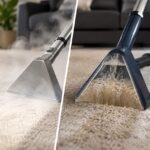
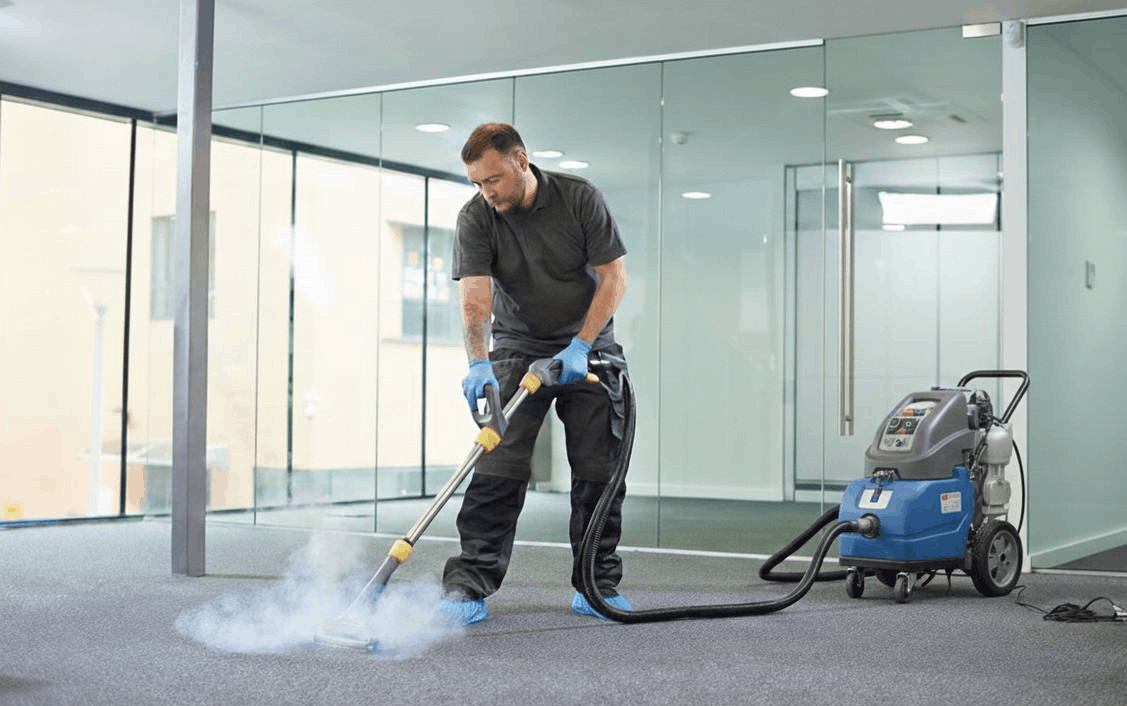
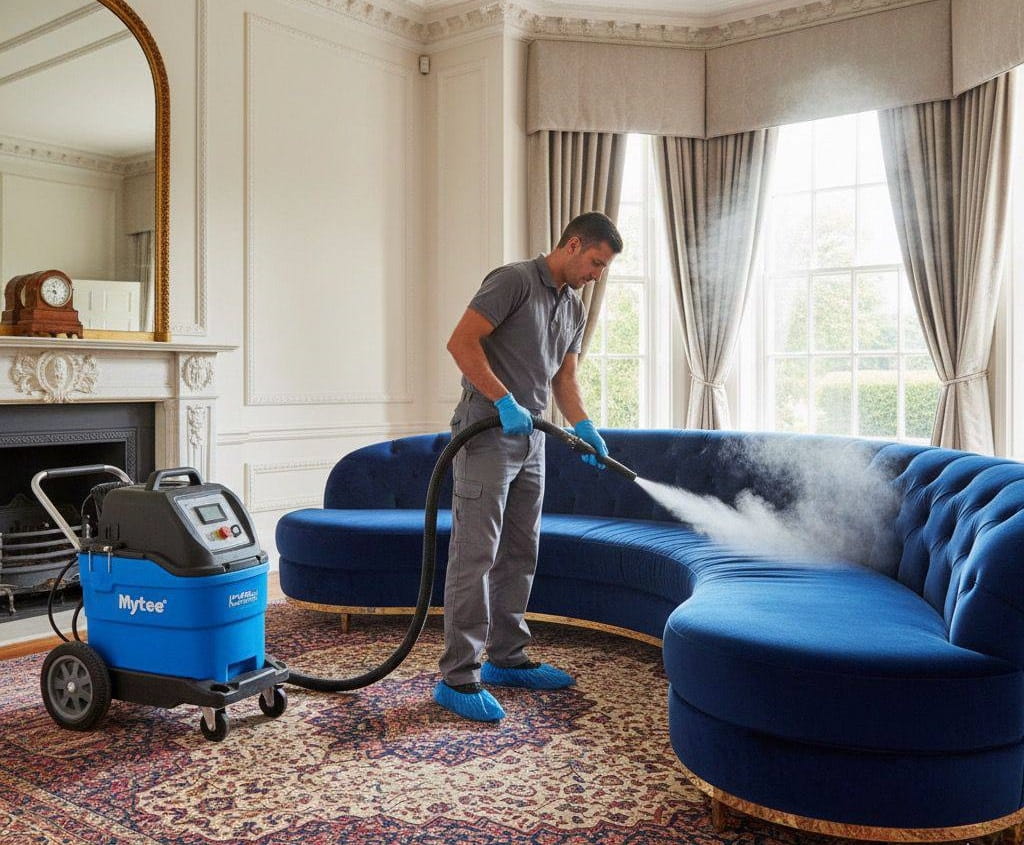
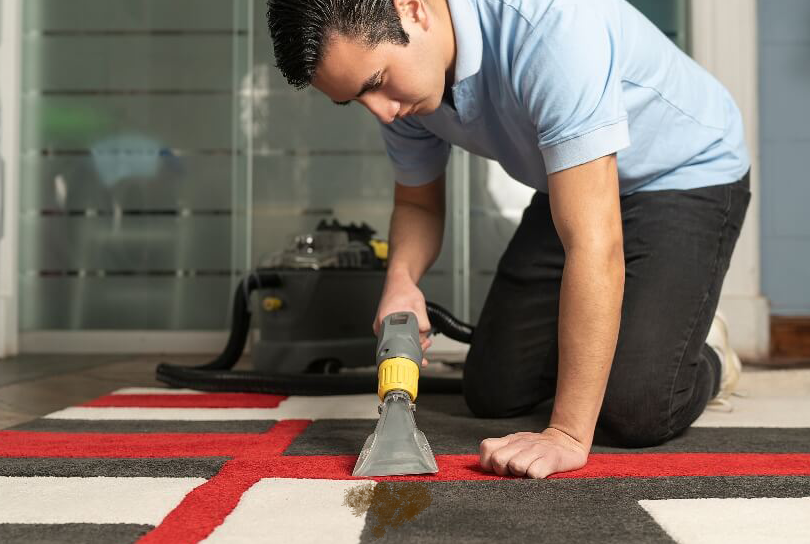
Hot water extraction—sometimes referred to as steam cleaning—applies a controlled amount of heated solution before powerful suction removes the loosened dirt and most of the moisture. The carpet should usually be left damp rather than soaked.
The exact result depends heavily on the equipment and the technician’s technique. Additional dry extraction passes can remove more residual moisture without applying further solution, helping the carpet dry faster.
Professional cleaning also tends to leave less moisture behind than many DIY machines. Rental and domestic carpet cleaners generally have weaker extraction, making it easier to apply more water than the machine can recover. You can read more about the differences in our guide to DIY carpet cleaning vs hiring a professional.
Drying time adds to the overall appointment, so see how long does professional carpet cleaning take for the full picture.
How the Cleaning Method Affects Drying Time
The cleaning method is one of the most important factors because different systems introduce different amounts of moisture.
Hot Water Extraction
Hot water extraction provides a deep clean by flushing contaminants from the carpet and recovering the used solution with powerful suction. Most carpets are touch-dry within 2–6 hours and fully dry within 6–12 hours.
Thick, heavily soiled or wool-rich carpets may need longer, particularly when the room is cold or has limited ventilation.
Although the terms are frequently used interchangeably, our guide to hot water extraction vs steam cleaning explains how the methods differ technically and how this can affect moisture levels.
Low-Moisture and Encapsulation Cleaning
Encapsulation uses substantially less moisture than hot water extraction. It is often suitable for commercial or low-pile carpets where minimising disruption is important.
Carpets cleaned using a low-moisture method may dry within approximately 2–4 hours, although this method is not appropriate for every carpet or every level of soiling.
Dry Carpet Cleaning
Dry carpet cleaning uses absorbent compounds or very limited moisture. Depending on the exact system, the carpet may be ready for light use within 1–2 hours.
Despite its name, some dry-cleaning processes still introduce a small amount of moisture. The suitability of the method should be determined by the carpet’s fibres, construction, condition and cleaning requirements.
For a more detailed comparison, see dry carpet cleaning vs steam cleaning.
How Carpet Fibre and Construction Affect Drying
Two carpets cleaned in the same room can dry at different speeds. Fibre type, pile depth, backing and underlay all affect how much moisture is retained.
Carpet type | Typical full drying time | Important considerations |
Polypropylene or olefin | 3–6 hours | Absorbs relatively little moisture |
Polyester | 4–8 hours | Usually dries faster than natural fibres |
Nylon | 6–12 hours | Time varies with pile thickness and construction |
Wool or wool-rich blend | 12–24 hours | Requires careful moisture control |
Low-pile commercial carpet | 2–6 hours | Thin pile usually allows faster evaporation |
Thick or deep-pile carpet | 8–24 hours | Moisture can remain deeper in the pile |
Carpet with wet underlay | 24 hours or longer | May require professional assessment |
Wool can absorb more moisture than many synthetic fibres and should not be rushed with intense heat. Dense piles also reduce airflow near the base of the carpet, allowing the surface to dry before the deeper layers.
If the underlay has become wet because of oversaturation, a leak or flooding, normal surface drying may not be sufficient.
Why Carpets Can Dry More Slowly in London Homes
London weather can influence drying, but conditions inside the property are usually more important than the outdoor temperature alone.
Basement flats, rooms with small windows and properties with limited cross-ventilation commonly take longer to dry. Older homes may also have thicker carpets, dense underlay or cooler ground-floor rooms that retain moisture for longer.
During colder or wetter periods, opening windows fully may not always be practical. In these conditions, moderate central heating combined with controlled ventilation, fans or a dehumidifier is usually more effective than simply making the room very warm.
Drying may also take longer in:
- Rooms with closed doors and windows
- Basement or lower-ground-floor properties
- Thick wool carpets over dense underlay
- Recently cleaned carpets requiring intensive stain treatment
- Homes with high indoor humidity
- Rooms where furniture restricts airflow
These factors do not automatically mean that the carpet was cleaned incorrectly. However, a professional cleaner should assess the carpet and room conditions before choosing the method and moisture level.
Cold weather does not necessarily prevent effective cleaning, but our guide to carpet cleaning in winter in London explains how heating, humidity and ventilation affect the process.
How to Make Carpet Dry Faster Safely
Air movement is usually the safest and most effective way to reduce carpet drying time. The aim is to replace the moisture-heavy air immediately above the carpet with drier air from elsewhere in the room.
Create Gentle Cross-Ventilation
Where weather and security allow, open windows on different sides of the room or property. Even a small opening can help moist air escape.
Opening only one window may provide limited air movement. Cross-ventilation is generally more effective because it creates a continuous flow through the room.
Use Fans to Move Air Across the Carpet
Position a fan so that it moves air horizontally across the carpet rather than concentrating on one small area. If several rooms have been cleaned, move the fan between them or use more than one unit.
Professional air movers can accelerate evaporation considerably, but an exact drying time cannot be guaranteed because humidity, fibre type and retained moisture still matter.
Maintain a Comfortable Room Temperature
Moderate warmth supports evaporation, particularly during colder months. A comfortable indoor temperature is usually sufficient; excessive heat is unnecessary and may not be safe for delicate fibres, backing or adhesives.
Heating is most effective when combined with ventilation. A warm but completely sealed room can become humid as moisture evaporates from the carpet.
Use a Dehumidifier
A dehumidifier removes water from the surrounding air, allowing the carpet to release more moisture. It can be particularly helpful in basement flats, internal rooms and properties where windows cannot remain open.
Keep doors and windows arranged according to the dehumidifier manufacturer’s instructions. Some units work most effectively in a relatively enclosed room.
Allow Air to Reach the Entire Surface
Do not cover damp carpet with rugs, plastic sheeting, storage boxes or furniture. These items prevent moisture from escaping and may leave individual areas damp for much longer than the rest of the room.
Furniture should only be moved when it is safe to do so. Avoid lifting fitted carpet or disturbing the installation unless advised by a professional.

What Should You Avoid While the Carpet Is Drying?
Do not use hair dryers, portable heaters or other intense heat sources directly on the carpet. Concentrated heat may affect certain fibres, carpet backing or adhesives and can create uneven drying.
You should also avoid:
- Walking repeatedly over damp areas
- Allowing pets onto the carpet before it dries
- Closing the room without ventilation
- Replacing heavy furniture too early
- Covering the carpet to protect it from foot traffic
- Assuming the carpet is fully dry because the surface feels dry
If walking across the carpet is unavoidable, use clean socks or protective shoe covers and keep foot traffic to a minimum.
When Can You Walk on Carpet After Cleaning?
It is best to avoid walking on the carpet until it is dry. If necessary, limited light foot traffic may be possible once the carpet is touch-dry, usually after approximately 2–6 hours.
Avoid outdoor footwear because slightly damp fibres can collect dirt more easily. Children and pets should also stay away from the area until it is dry enough to prevent slipping, re-soiling or direct contact with recently treated fibres.
Normal use should resume only when the carpet feels dry throughout and no cooler or damp patches remain.
Moisture moving upward from the backing can also cause wicking, one of the main reasons carpet stains come back after cleaning.
When Can You Put Furniture Back?
Wait until the carpet is fully dry before replacing heavy furniture. For most professionally cleaned carpets, this means waiting approximately 6–12 hours, although wool or thick-pile carpets may need longer.
Moisture trapped beneath furniture feet can cause:
- Furniture marks
- Rust transfer from metal components
- Wood stains or colour transfer
- Slow or uneven drying
- Damp or musty odours
Protective tabs or blocks may be placed under furniture by the technician, but these should not be treated as a substitute for allowing the carpet to dry properly.
Before your appointment, check whether carpet cleaners move furniture and which items may need to remain out of the room until the carpet is dry.
How Can You Tell Whether a Carpet Is Fully Dry?
Start by pressing a clean, dry hand firmly against different areas of the carpet. Pay particular attention to corners, edges, thick sections and areas that received additional treatment.
A carpet that is still damp may feel cooler than the surrounding floor or slightly heavy and compressed. Check several locations because airflow and sunlight can cause one part of the room to dry faster than another.
Other warning signs include:
- Darker or matted patches
- A persistent cool feeling
- Moisture on a clean paper towel pressed against the carpet
- Dampness near walls or beneath furniture
- A musty or earthy smell
If safe and practical, a professional may also inspect the carpet backing or underlay. Homeowners should not lift a fitted carpet without understanding how it has been installed.
What Should You Do if the Carpet Is Still Wet After 24 Hours?
A thick wool carpet may remain slightly damp for close to 24 hours in difficult conditions. However, a standard synthetic carpet that is still noticeably wet after a full day should be investigated.
First, improve airflow and use a dehumidifier if available. Check whether the room is unusually cold or humid and ensure that furniture is not trapping moisture.
Contact the cleaning company if:
- The carpet still feels wet rather than slightly damp
- Only certain areas remain saturated
- The underlay may have become wet
- A musty smell is developing
- Water appears when pressure is applied
- Drying has shown little improvement
Persistent moisture may indicate oversaturation, insufficient extraction, wet underlay or an unrelated leak. If an unpleasant odour has already developed, our guide explains why carpets can smell musty after washing and what action to take.
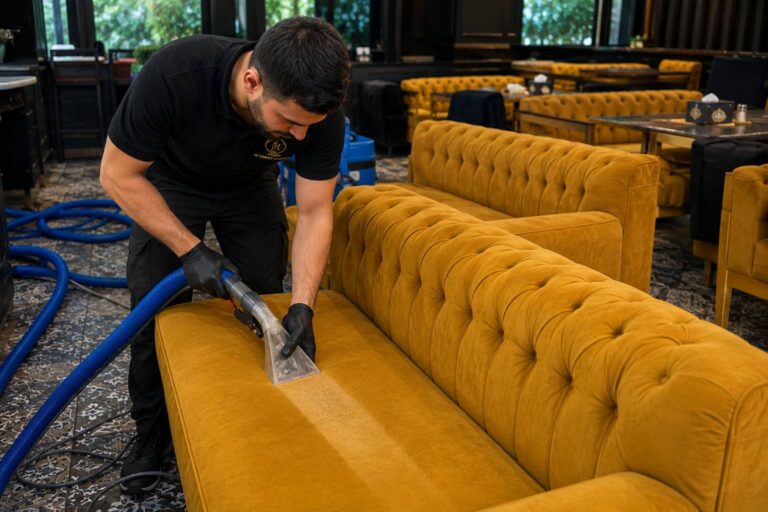
Sofas and carpets dry at different rates, compare with how long do sofas take to dry after cleaning.
Does Professional Carpet Cleaning Reduce Drying Time?
Professional equipment can remove substantially more moisture than basic domestic machines, but equipment alone does not determine the result. The technician must adjust the amount of solution, water pressure and extraction technique to match the carpet.
At Hi Carpet Cleaner, moisture levels are controlled according to the carpet’s fibre, construction and condition. Additional extraction passes can be used to recover more water without introducing further moisture. Customers are also given practical aftercare guidance based on ventilation and conditions inside the property.
This approach helps carpets dry efficiently while still receiving the level of cleaning they require.
To understand what happens before the drying stage begins, see what to expect during a professional carpet cleaning appointment.
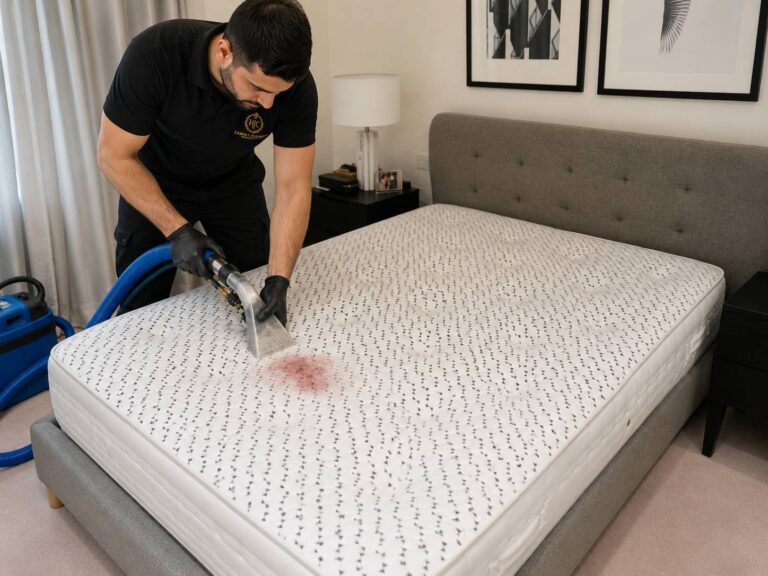
Mattresses take the longest of all, as explained in how long does a mattress take to dry.
Frequently Asked Questions
How long do carpets take to dry after cleaning?
Most professionally cleaned carpets are touch-dry within 2–6 hours and fully dry within 6–12 hours. Thick wool carpets, high humidity and limited airflow can extend drying to 12–24 hours.
How long does carpet take to dry after steam cleaning?
Carpets cleaned through hot water extraction, commonly called steam cleaning, usually take approximately 6–12 hours to dry fully. Thick or heavily treated carpets may need up to 24 hours.
Can I walk on a carpet immediately after cleaning?
It is better to wait until the carpet is touch-dry. If walking is unavoidable, wear clean socks or protective shoe covers and keep foot traffic to a minimum.
Can I sleep in a room after carpet cleaning?
Yes, provided the room is adequately ventilated and the carpet does not remain excessively wet. Avoid placing bedding, mattresses or belongings directly on the damp carpet.
Should I open the windows after carpet cleaning?
Opening windows can improve airflow and reduce drying time when outdoor conditions are suitable. During cold or humid weather, combine limited ventilation with moderate heating, fans or a dehumidifier.
Does heating help carpet dry faster?
Moderate heating can support evaporation, especially during winter. It should be combined with airflow so that moisture does not remain trapped inside the room.
How long does wool carpet take to dry?
Wool and wool-rich carpets may require approximately 12–24 hours, depending on pile depth, ventilation and the amount of moisture used. They should not be exposed to intense direct heat.
Why is my carpet still wet after 24 hours?
Poor ventilation, high humidity, thick pile, excessive moisture or wet underlay can all cause prolonged drying. Increase airflow and contact the cleaning provider if the carpet remains noticeably wet or begins to smell musty.