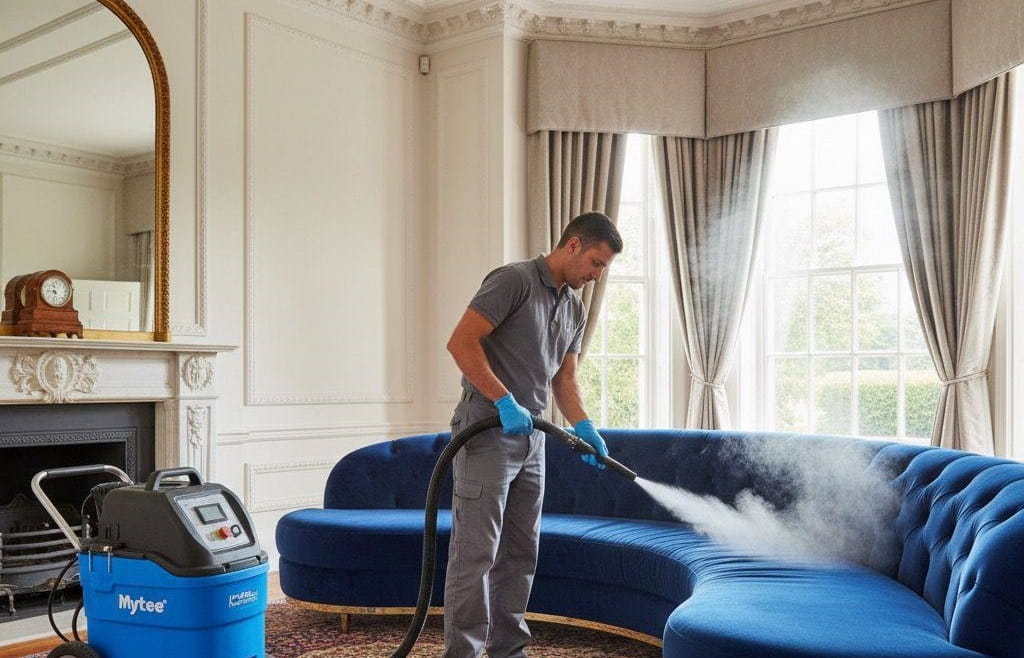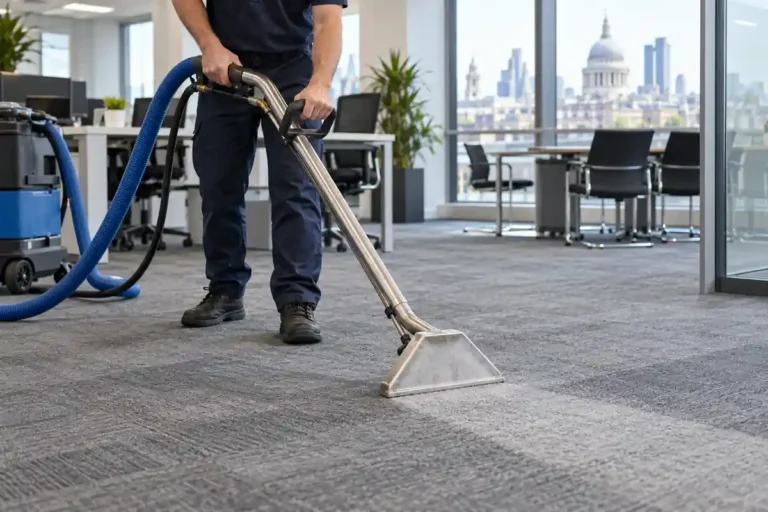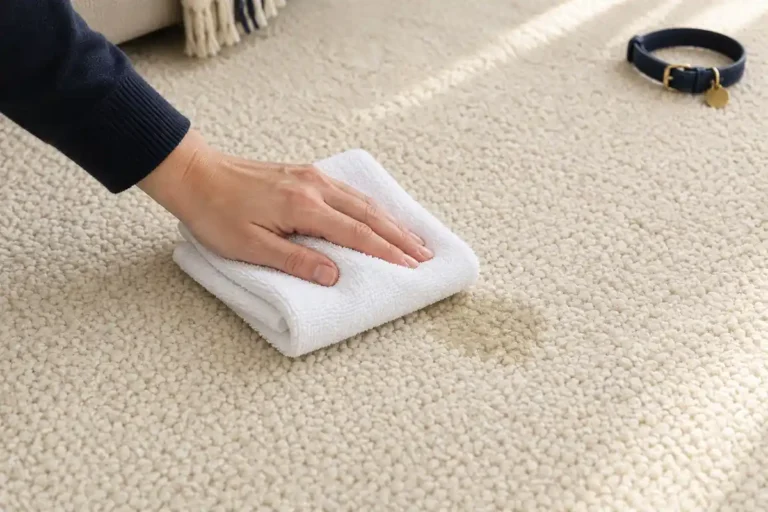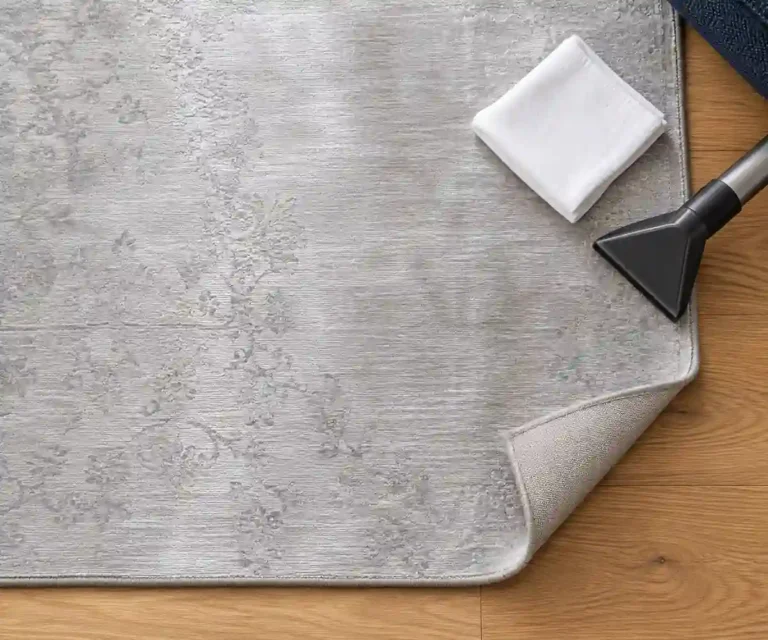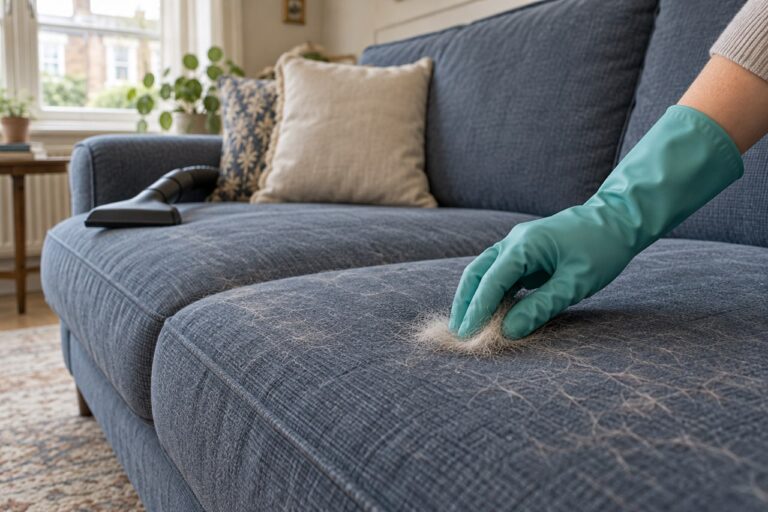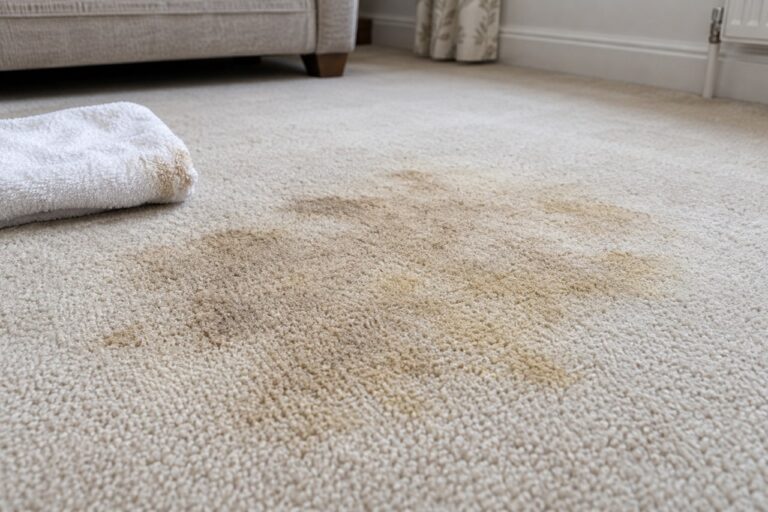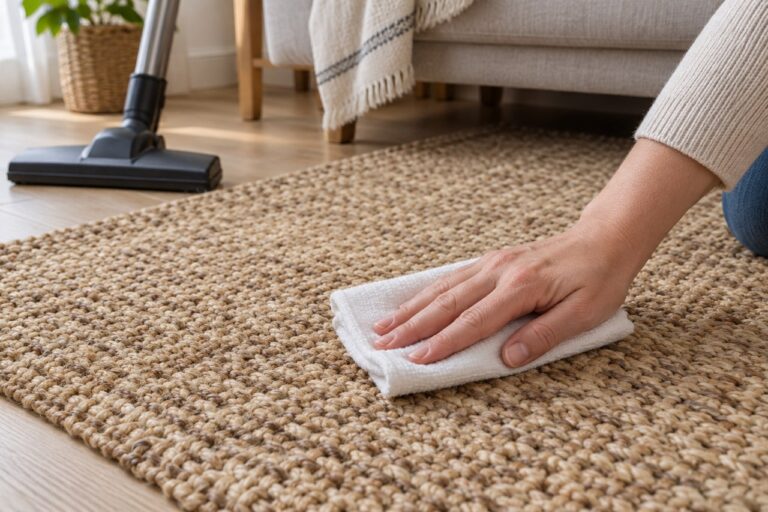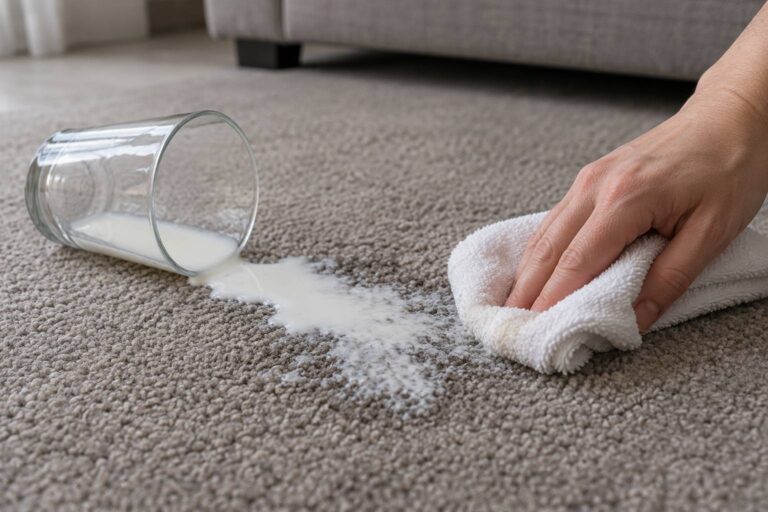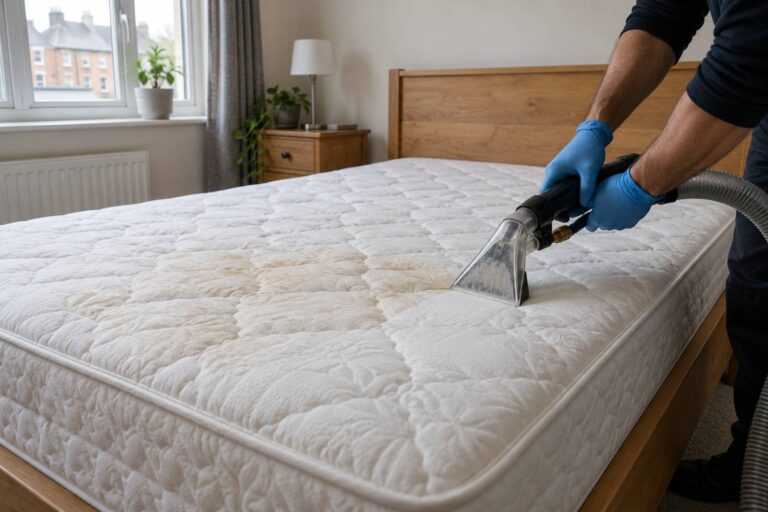
When comparing dry carpet cleaning vs steam cleaning, neither method is automatically better for every carpet. Steam cleaning — a term commonly used for hot water extraction (HWE) — is often the more suitable option when a carpet needs deeper rinsing and extraction. Dry or low-moisture cleaning, meanwhile, can be useful when faster drying and minimal disruption are priorities.
The right method depends on the carpet fibre, construction, level of soiling, stains or odours present, previous treatments and how quickly the room needs to return to normal use.
If you are unsure what people mean by “steam cleaning”, our guide to hot water extraction vs steam cleaning explains the technical difference in more detail.
Carpet Cleaning: Steam vs Dry — Quick Comparison
Factor | Steam Cleaning / Hot Water Extraction | Dry / Low-Moisture Carpet Cleaning |
How it works | Heated cleaning solution is applied to the carpet and then extracted with powerful suction | Uses substantially less moisture and may involve dry compounds or encapsulation-style cleaning |
Cleaning depth | Often suitable for deeper cleaning and heavier embedded soil | Often suitable for maintenance cleaning and lower-disruption jobs |
Drying time | Commonly touch-dry within 2–6 hours and fully dry within around 6–12 hours under suitable conditions | Usually faster; some low-moisture methods may dry in approximately 2–4 hours |
Heavy soiling | Often the stronger option when deeper extraction is required | Better suited to lighter or maintenance-level soiling in many cases |
Stains and odours | Can be useful where contamination has travelled deeper into the pile, depending on the stain | May work well for lighter surface contamination, depending on the system used |
Carpet suitability | Depends on fibre, backing, construction and manufacturer guidance | Also depends on the specific fibre, construction and cleaning system |
Water use | Uses more water than low-moisture systems | Uses considerably less water |
Downtime | Requires a longer drying period | Usually allows the room to return to use sooner |
The clearest difference is drying time, so check how long does carpet take to dry for each method.
What Is the Difference Between Dry Carpet Cleaning and Steam Cleaning?
The main difference between carpet cleaning steam vs dry methods is the amount of moisture used and the way loosened soil is removed. Both can be professional cleaning methods, but they solve different problems.
What Is Steam Carpet Cleaning?
What is commonly advertised as steam carpet cleaning in the UK is usually hot water extraction rather than cleaning with pure steam.
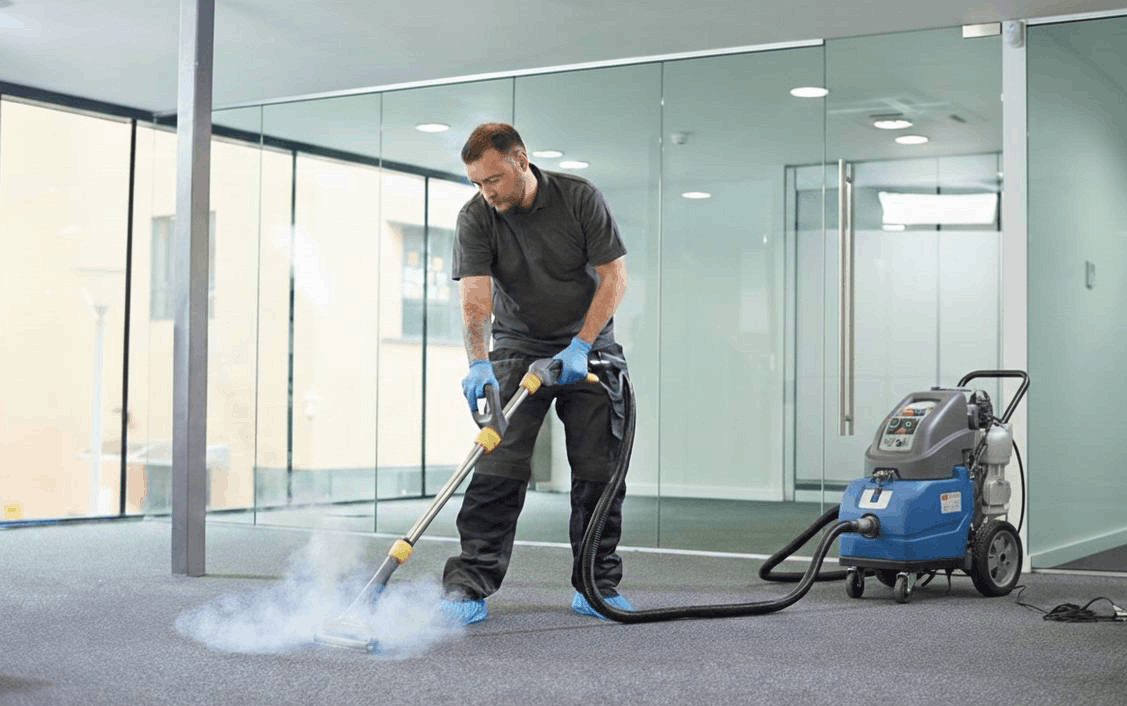
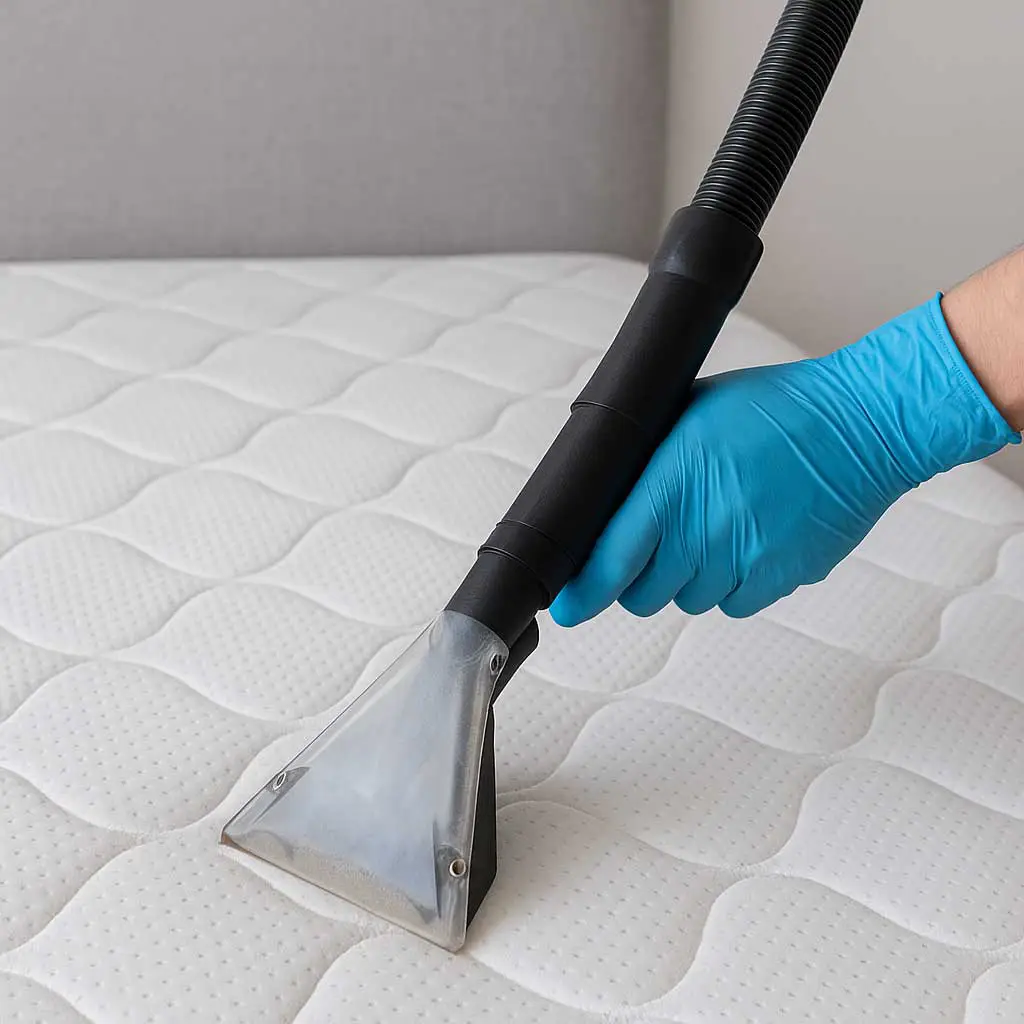
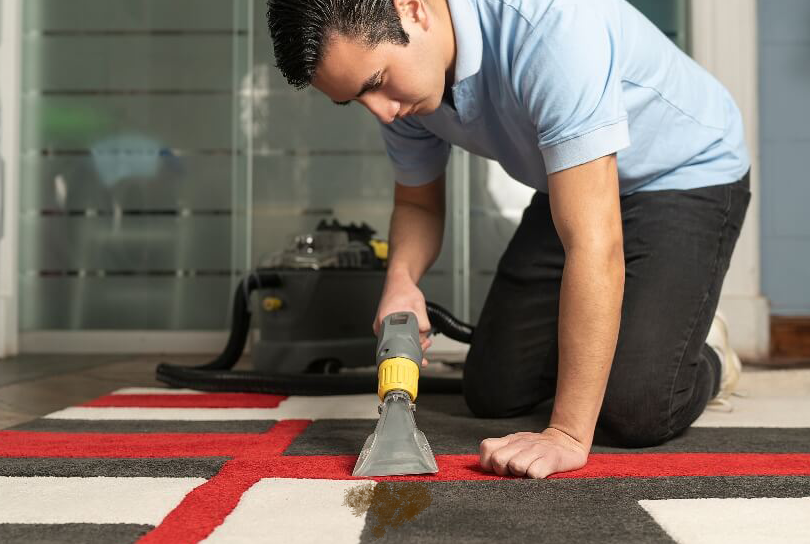
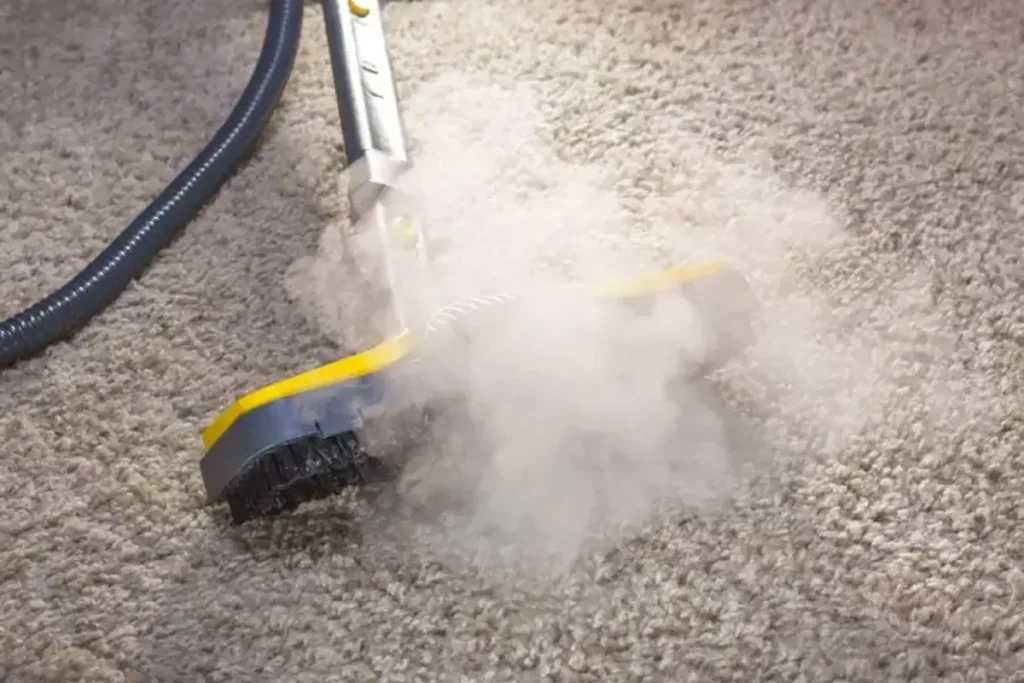
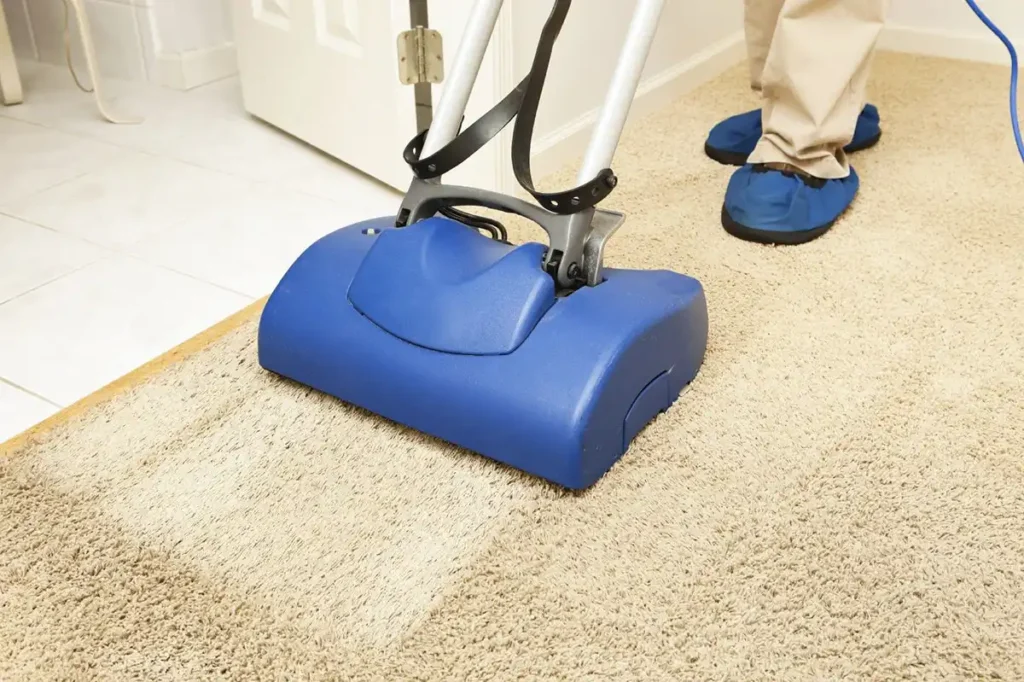
During hot water extraction, a suitable cleaning solution and heated water are applied to the carpet fibres. Professional equipment then extracts the dirty solution, loosened soil and much of the remaining moisture back into a recovery tank.
The extraction stage is particularly important. Rather than simply loosening contamination, the system physically removes much of the loosened material from the carpet.
Hot water extraction may therefore be particularly useful for:
- heavily soiled carpets;
- high-traffic areas such as hallways and living rooms;
- carpets containing embedded dirt;
- certain pet-related contamination and odours;
- carpets requiring periodic deeper cleaning.
The results still depend on the carpet, the contamination involved, the products used and the technician’s technique.
Professional carpet cleaning can also reduce dust, pollen, pet dander and dust-mite debris trapped in the pile, although cleaning cannot make a home permanently allergen-free. You can read more in our guide to whether carpet cleaning removes dust mites and allergens.
What Is Dry Carpet Cleaning?
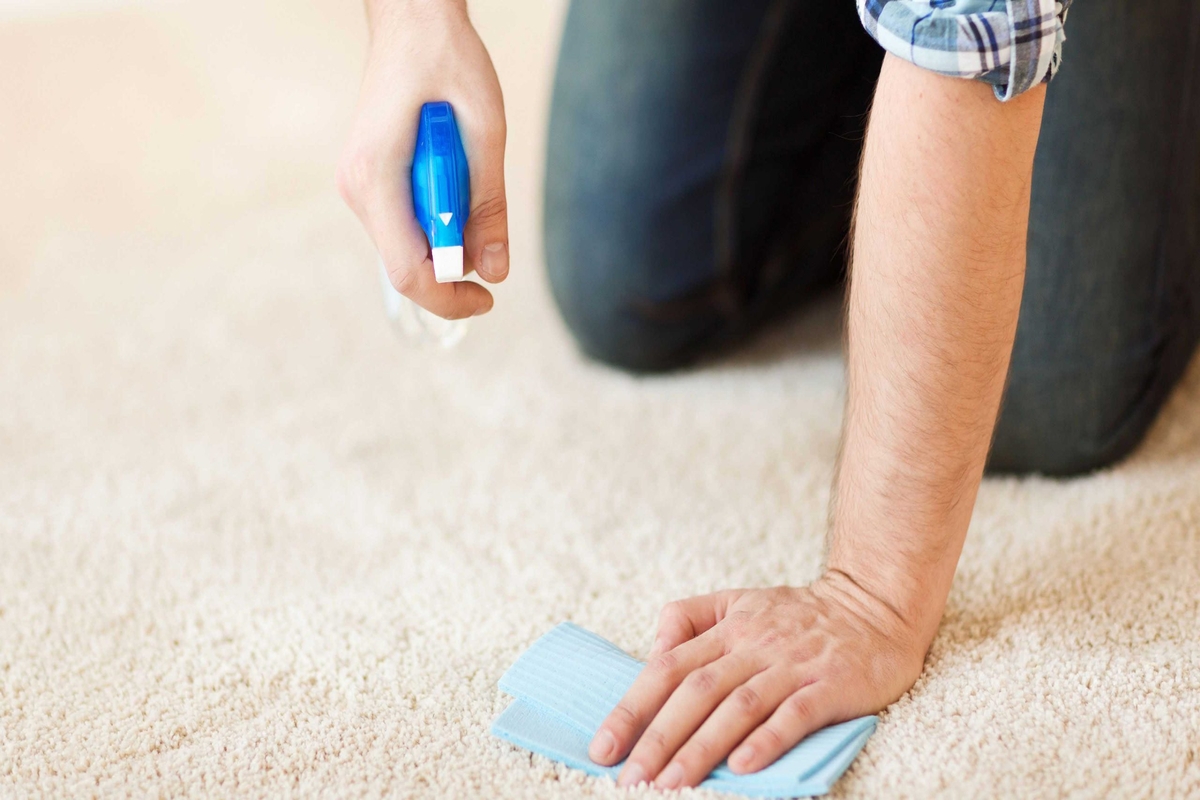
“Dry carpet cleaning” is a broad term covering cleaning systems that use little or very limited moisture compared with hot water extraction. Depending on the system, the process may involve a cleaning compound, powder or encapsulation product designed to loosen or capture soil before it is removed.
Because less liquid is introduced into the carpet, drying is normally considerably faster. Dry or low-moisture cleaning can be useful where:
- the room needs to return to service quickly;
- reducing moisture is particularly important;
- the carpet needs routine maintenance rather than restorative cleaning;
- building access or operational disruption makes a lower-moisture system more practical;
- a technician determines that a particular low-moisture system is more suitable for the carpet.
However, “dry cleaning” does not automatically mean that a method is suitable for every wool, sisal, jute or other natural-fibre carpet. Fibre type, construction, dyes, backing and manufacturer guidance should all be assessed before deciding how the carpet should be cleaned.
Method choice matters more in the cold, see whether you can do carpet cleaning in winter in london.
Deep Carpet Cleaning vs Steam Cleaning: Are They the Same?
Deep carpet cleaning and steam cleaning are not quite the same thing. Deep cleaning describes the level or objective of the cleaning, rather than one specific piece of equipment or cleaning technique. Hot water extraction — often marketed as steam cleaning — is one method commonly used for deeper carpet cleaning because it can loosen contamination, rinse the fibres and extract dirty solution from the pile.
However, a professional low-moisture system can also provide effective cleaning in the right circumstances. The appropriate method depends on what needs to be removed and what the carpet can safely tolerate. For example, a lightly soiled commercial carpet requiring frequent maintenance may benefit from a low-moisture system, whereas a heavily soiled fitted carpet may need more thorough rinsing and extraction.
The technician should consider:
- fibre type;
- carpet construction and backing;
- level of embedded soil;
- stain type;
- odours or contamination;
- colour stability;
- previous cleaning treatments;
- ventilation and drying conditions.
Steam vs Dry Carpet Cleaning: Pros and Cons
Both methods have advantages. The important question is whether those advantages match the carpet and the problem you are trying to solve.
Advantages of Steam Cleaning / Hot Water Extraction
Deeper extraction
Hot water extraction can rinse and recover soil from deeper within the carpet pile, making it useful when routine surface cleaning is no longer enough.
Useful for heavier soiling
Busy hallways, lounges, family homes and other heavily used areas can accumulate soil below the visible surface. Extraction cleaning can be particularly useful in these situations.
Suitable for many common fitted carpets
Many synthetic and blended fitted carpets can be professionally cleaned using hot water extraction when the fibre and construction are suitable.
Can help with pet-related contamination
Where urine or other contamination has travelled below the surface, treatment may require more than simply cleaning the visible mark. The age and depth of contamination matter, and severe cases may require specialist treatment.
If this is the main problem you are dealing with, see our guide to removing pet urine smell from carpet.
Disadvantages of Steam Cleaning / Hot Water Extraction
Longer drying time
A professionally extracted carpet is left damp rather than saturated, but it still needs adequate time and airflow to dry fully.
More disruption
Furniture replacement and normal room use may need to wait until the carpet has dried sufficiently.
Poor technique can cause problems
Excessive moisture, insufficient extraction or unsuitable cleaning products can lead to slow drying, residues or damage. This is one reason the equipment and technique used are as important as the name of the cleaning method.
Advantages of Dry or Low-Moisture Carpet Cleaning
Faster drying
The lower moisture level usually means the carpet can return to normal use considerably sooner.
Useful for maintenance
Low-moisture systems can be practical when a carpet needs regular appearance maintenance rather than heavy restorative cleaning.
Less disruption
This can be particularly useful in offices, commercial spaces or busy homes where closing a room for several hours is inconvenient.
Lower water use
A low-moisture process uses less water than hot water extraction. However, water consumption alone does not determine the overall environmental impact of a cleaning method; products, equipment, energy use and cleaning frequency also matter.
Disadvantages of Dry or Low-Moisture Cleaning
May not be the right choice for deep contamination
Where heavy soil, residues or contamination are embedded deeper in the pile, a method with stronger rinsing and extraction may be more appropriate.
Results depend heavily on the system
Dry compound cleaning and encapsulation are not identical processes, so the term “dry cleaning” alone does not tell you exactly what level of soil removal to expect.
It is not automatically safer for every delicate carpet
Some moisture-sensitive carpets may benefit from lower-moisture treatment, but sensitive natural fibres require individual assessment rather than a blanket rule.
Which Carpet Cleaning Method Should You Choose?
Instead of asking whether steam cleaning or dry cleaning is universally better, it is more useful to match the method to the condition of the carpet.
Choose Hot Water Extraction When Deeper Cleaning Is Needed
Hot water extraction may be appropriate where there is significant embedded soil, heavy foot traffic or contamination that requires more thorough rinsing and extraction.
It is commonly used for residential fitted carpets and may also be useful where pet dander, dust and other debris have built up over time.
For households concerned about indoor allergens, remember that cleaning can reduce the existing allergen load but cannot prevent dust, pollen and pet dander from accumulating again.
Consider Low-Moisture Cleaning When Fast Turnaround Matters
A dry or low-moisture method may be more practical when the room needs to return to use quickly or when introducing less moisture is desirable.
This can be particularly useful in busy commercial premises, home offices, flats with limited airflow or situations where routine maintenance is the main objective.
Get Professional Advice for Wool and Natural Fibres
Do not select a cleaning method simply because a carpet is labelled “wool” or “natural fibre”.
Wool, sisal, jute and other sensitive materials can respond differently depending on construction, dyes and previous treatments.
A professional should inspect the carpet and consider the manufacturer’s care guidance before choosing the cleaning chemistry, moisture level and technique.
For Severe Stains or Pet Odours, Identify the Problem First
The most powerful machine will not automatically solve every stain.
Coffee, red wine, pet urine, grease, makeup and dye-based stains behave differently. Older contamination may also have reached the carpet backing or underlay.
In those situations, targeted treatment may matter more than whether the overall carpet clean is described as “dry” or “steam”.
How We Choose the Right Carpet Cleaning Method
At Hi Carpet Cleaner, the cleaning method should be based on the carpet in front of us rather than a one-method-fits-all rule.
Before treatment, factors such as fibre type, construction, condition, staining, previous cleaning, access and drying conditions should be considered.
For London properties in particular, ventilation and room use can also affect the decision. A carpet in a well-ventilated house may have very different drying conditions from the same carpet in a compact flat with limited airflow.
If you are unsure which method your carpet needs, our professional carpet cleaning service in London allows the carpet and its condition to be assessed before the appropriate treatment is recommended.
Can You Use Dry and Steam Cleaning at Different Times?
Yes, but there is no universal schedule saying that every carpet should alternate between the two methods.
A low-moisture treatment may make sense for interim maintenance in some situations, while hot water extraction may be used when deeper cleaning is needed.
The ideal frequency depends on factors such as:
- foot traffic;
- children and pets;
- carpet colour and pile;
- fibre type;
- regular vacuuming;
- spills and staining;
- household sensitivities;
- manufacturer or warranty requirements.
For a more useful schedule based on household conditions, see how often carpets should be professionally cleaned.
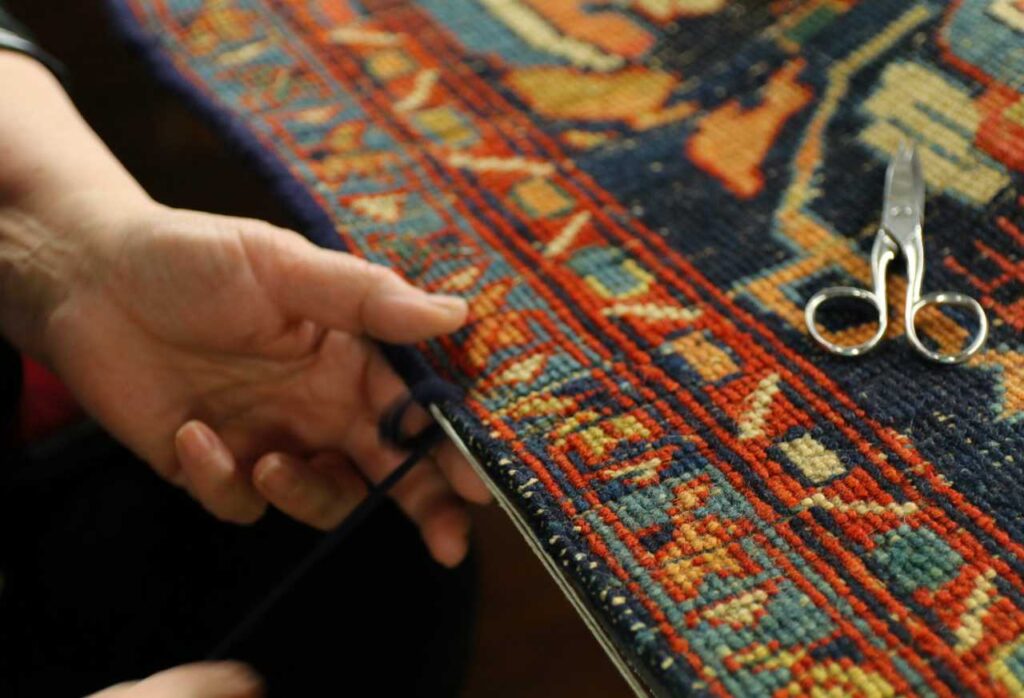
While both cleaning methods can improve appearance and hygiene, neither can fix physical damage such as burns, tears, or loose seams, which may require professional carpet repair.
Common Mistakes to Avoid
Over-Wetting the Carpet
Applying more water does not necessarily mean better cleaning.
Too much moisture combined with weak extraction can dramatically increase drying time and may allow moisture to reach the backing or underlay.
This can be particularly problematic with domestic rental machines, which may not recover moisture as effectively as professional equipment.
If you are considering hiring a machine, compare the limitations in our guide to DIY carpet cleaning vs hiring a professional.
Assuming One Method Is Best for Every Carpet
Statements such as “steam cleaning is always better” or “dry cleaning is always safer for wool” oversimplify the issue.
The safest method depends on the individual carpet and its construction.
Using Strong Products on Sensitive Fibres
A cleaning chemical suitable for a synthetic carpet may not be appropriate for wool or another sensitive fibre.
Always check care instructions and avoid experimenting with strong household products on valuable or delicate carpets.
Treating Every Stain the Same Way
Scrubbing aggressively or repeatedly applying different products can spread a stain, alter the carpet colour or leave residues.
Identify the type of stain first and use a fibre-appropriate treatment.
How Much Do Dry and Steam Carpet Cleaning Cost?
Price should not be used as the only way to choose a method.
The final cost of professional carpet cleaning can vary according to room size, carpet material, level of soiling, stains, access and any specialist treatments required.
A dry or low-moisture clean is not automatically cheaper than hot water extraction, and hot water extraction is not automatically more expensive. Pricing ultimately depends on the provider and the work required.
For current pricing information, see our guide to carpet cleaning costs in London.
Dry Carpet Cleaning vs Steam Cleaning: Final Verdict
There is no single winner in the dry carpet cleaning vs steam cleaning comparison.
Hot water extraction is often the more appropriate choice when a carpet needs deeper rinsing and extraction, particularly where significant soil has built up within the pile.
Dry and low-moisture cleaning can be highly practical for maintenance cleaning, faster turnaround and situations where minimising moisture is important.
The most important factor is not choosing the method with the strongest marketing claim. It is selecting a process that matches the carpet fibre, construction, level of contamination and drying conditions.
If you are unsure which option is suitable, send Hi Carpet Cleaner photos of the carpet, details of the main problem and your London postcode. We can assess the situation and recommend an appropriate carpet cleaning treatment before you book.

Each method has a different pace, reflected in how long does professional carpet cleaning take.
FAQs Dry Carpet Cleaning vs Steam Cleaning
Is dry carpet cleaning better than steam cleaning?
Not necessarily. Dry or low-moisture cleaning offers faster drying and can be useful for routine maintenance or situations where downtime needs to be limited. Hot water extraction is often preferred when deeper rinsing and extraction are required. The right option depends on the carpet, level of soiling and cleaning objective.
What is the difference between carpet cleaning steam vs dry methods?
Steam cleaning — usually referring to hot water extraction in everyday carpet-cleaning terminology — introduces heated water or solution into the carpet before extracting it with powerful suction. Dry or low-moisture cleaning uses much less liquid and normally dries faster.
Is deep carpet cleaning the same as steam cleaning?
No. Deep carpet cleaning describes the level of cleaning rather than one particular method. Hot water extraction is commonly used for deep carpet cleaning because it combines rinsing with extraction, but the appropriate technique should still be chosen according to the carpet and its condition.
Which method is better for wool or natural-fibre carpets?
There is no single rule for all wool or natural-fibre carpets. Some may benefit from lower-moisture treatment, while others can be professionally wet-cleaned using carefully controlled methods. Fibre type, construction, dyes and manufacturer guidance should be checked before cleaning.
How long does carpet take to dry after steam cleaning vs dry cleaning?
After professional hot water extraction, many carpets are touch-dry within approximately 2–6 hours and fully dry within around 6–12 hours under normal conditions. Some low-moisture systems may dry within approximately 2–4 hours. Ventilation, humidity, carpet thickness and the amount of moisture extracted all affect the final drying time.
Which method is better for pet stains and odours?
It depends on how far the contamination has penetrated. Hot water extraction can be useful for deeper contamination because it combines rinsing with extraction, but pet urine may reach the backing or underlay and require additional treatment. A surface clean alone may not resolve a persistent odour.