To get milk smell out of carpet, remove the milk residue rather than cover the odour. Blot fresh spills, check the carpet’s care instructions, then use a suitable cleaner with minimal moisture. Remove cleaning residue as directed and dry thoroughly. If the sour smell returns after drying, contamination may have reached the backing or underlay and needs professional assessment.
A fresh spill needs immediate blotting. A dried milk stain needs careful removal of hardened residue before cleaning. If you have already cleaned the area and it still smells, focus on what may remain below the surface instead of repeatedly soaking the carpet.
Before You Clean the Milk Spill
Start blotting immediately, but check the carpet’s care instructions before applying water or a cleaning product. A method suitable for a synthetic carpet may not suit wool, delicate fibres or a carpet with moisture-sensitive backing.
Gather:
- Clean white absorbent cloths or towels.
- A spoon for lifting loose dried residue.
- A carpet cleaner labelled as suitable for the fibre and the type of spill.
- Clean water, if the care instructions and cleaning product require it.
- A fan or another way to improve airflow during drying.
Test the cleaner on an inconspicuous area first, following its instructions. Allow the test patch to dry before checking for colour changes, a stiff texture or other damage.
For wool, look for a product specifically suitable for wool, ideally with current WoolSafe approval. If you cannot identify the carpet fibre or its cleaning requirements, blot the spill and obtain advice before wet treatment.
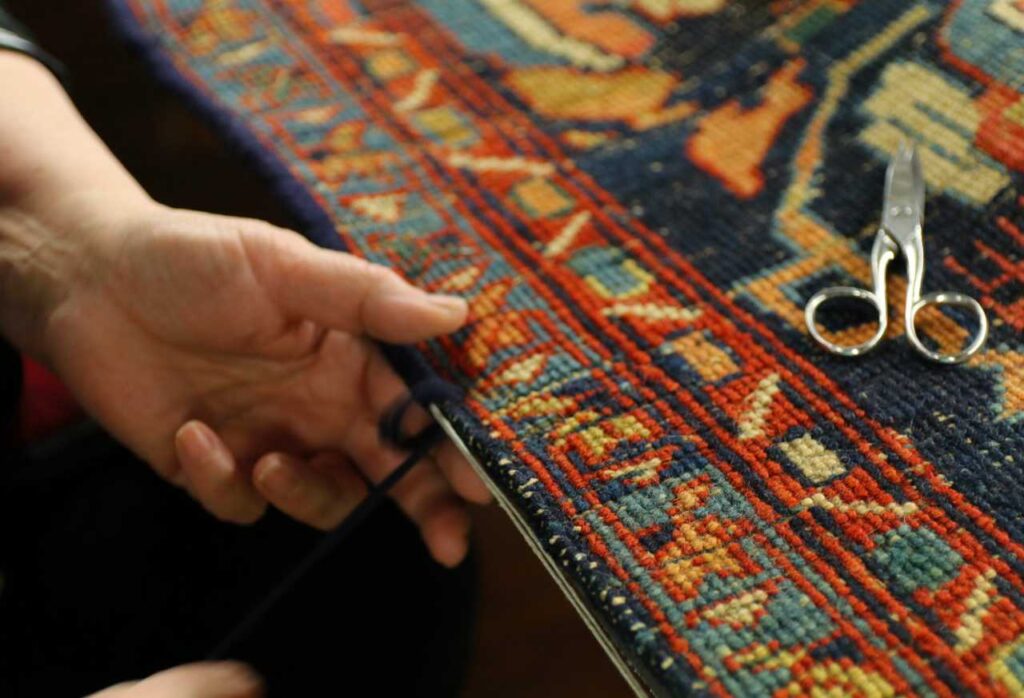
If the milk is on a removable rug, the backing, dyes and construction also matter. Our guide to getting smells out of a rug explains the additional checks to make before treating delicate materials.
How to Clean Fresh Spilt Milk Out of Carpet
The aim is to recover as much milk as possible, clean the remaining residue and leave the area able to dry thoroughly.
1. Blot Up the Milk Immediately
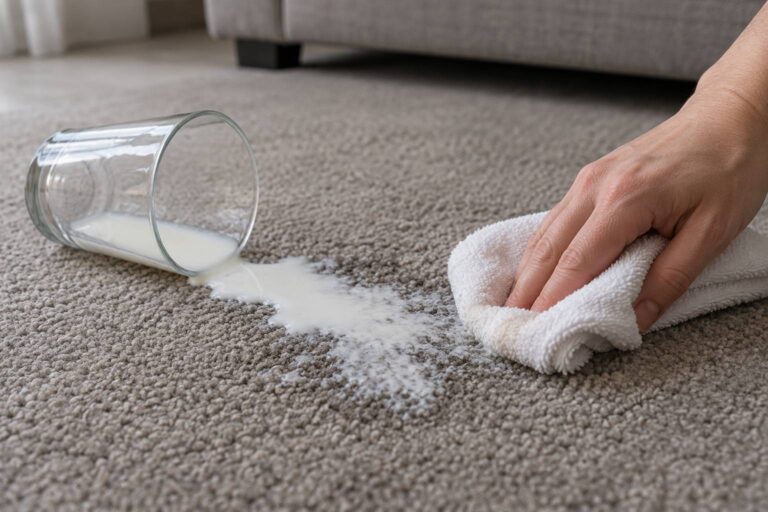
Place a clean white towel over the spill and press gently to absorb the liquid. Lift the towel, move to a dry section and repeat.
Work from the outside towards the centre to help contain the spill. Replace saturated towels rather than continuing with a cloth that is already wet.
Avoid rubbing or scrubbing. This can spread the milk through the pile and disturb the carpet fibres. Keep blotting until the towel picks up little additional liquid.
If a large quantity has been spilt, surface blotting may not recover milk that has already travelled into the backing or underlay.
2. Apply a Suitable Carpet Cleaner
Choose a product whose instructions confirm that it is suitable for your carpet and the contamination you are treating.
Follow the label for dilution, application and contact time. Where instructed, apply the solution with a cloth rather than pouring it onto the carpet. Use only the amount needed for the affected area.
For initial home treatment, use cool water where the carpet and product instructions permit it. Avoid boiling water or a direct-steam appliance. Do not assume that heating the spill will remove the smell.
A purpose-made cleaner gives you specific application instructions. Washing-up liquid, laundry detergent and other household products should not be treated as interchangeable carpet cleaners.
3. Remove the Loosened Residue
Recover the loosened milk and cleaning solution using the method specified by the product.
For a cleaner that requires blotting, use a fresh white cloth and change to a clean section as residue transfers. Some products have different instructions, so do not automatically blot away a treatment that is supposed to remain in place for a stated contact time.
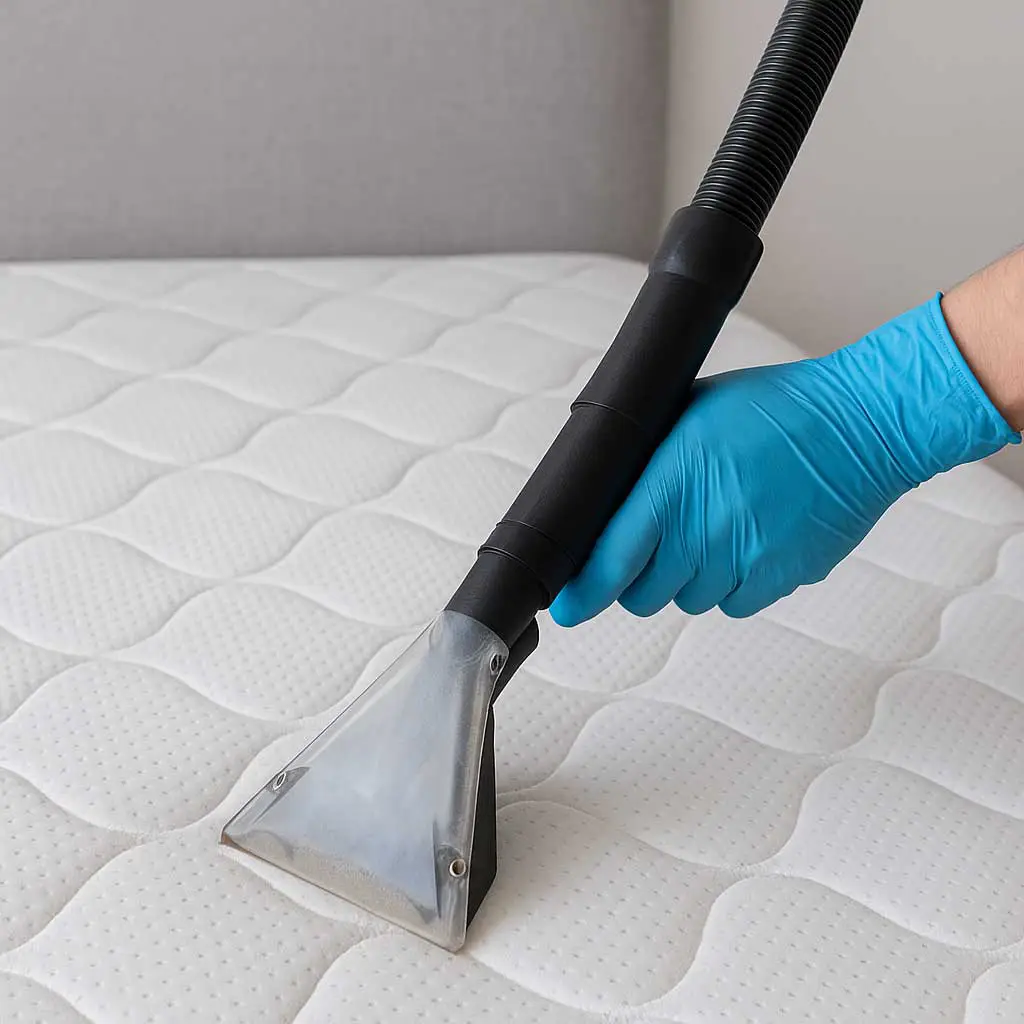
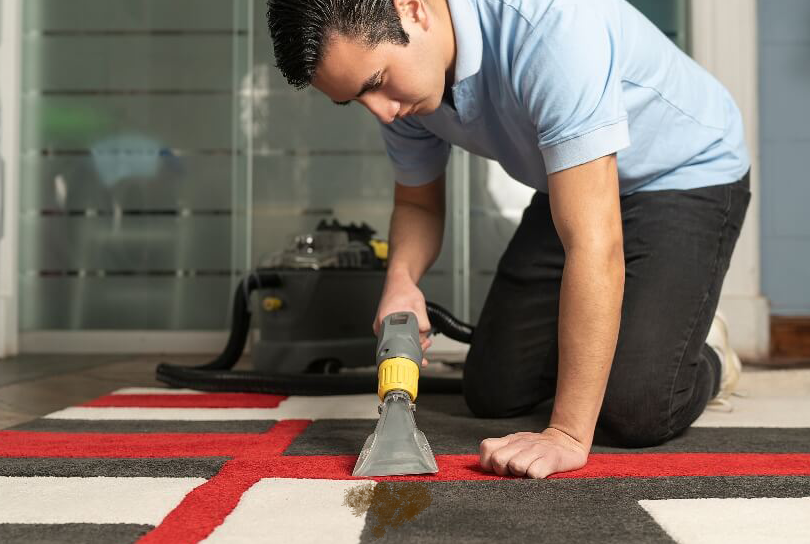
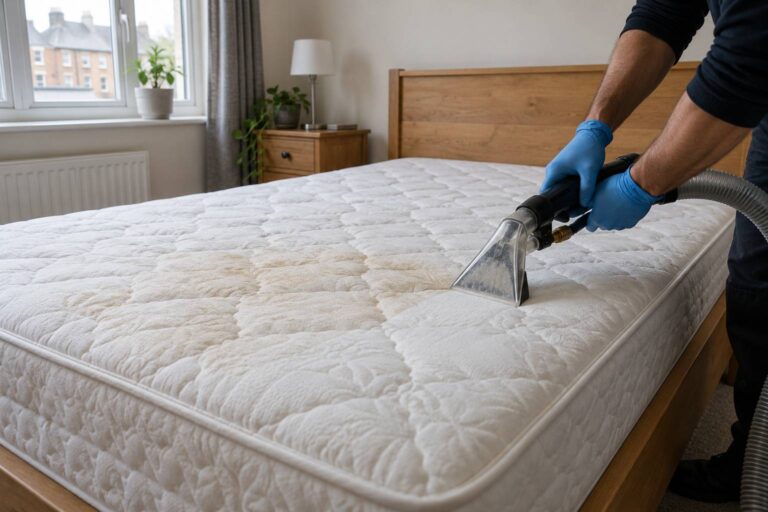
If using a portable carpet extractor, first confirm that both the carpet and cleaning formula are suitable for the machine. Follow the equipment instructions and avoid repeated wet passes.
Never use an ordinary dry vacuum cleaner to collect milk or cleaning liquid.
4. Remove Cleaning Residue as Directed
If the product requires rinsing, use small, controlled amounts of clean water and recover the moisture afterwards.
Do not pour water onto the spot to flush it through. That can carry contamination farther into the carpet and leave the backing or underlay wetter.
Avoid adding a second cleaner because the first treatment has not produced an immediate result. Check the original instructions before deciding whether another application is appropriate.
5. Dry the Area Thoroughly
Press a dry towel onto the area to absorb recoverable moisture. Improve airflow with a fan and ventilate the room where conditions allow.
Keep people and pets away from the treated patch until it is dry and any product restrictions have been met. Avoid covering it with a rug or replacing furniture over it while it remains damp.
Drying time varies with the carpet, the amount of liquid, humidity and airflow. Once the area has dried, reassess both the stain and the smell.
For practical advice on airflow, moisture checks and when to use the area again, read our guide to how long carpet takes to dry after cleaning.
How to Remove a Dried Milk Stain on Carpet
Dried milk may leave a pale mark, a crusted surface or a stiff patch in the pile. Removing that visible residue is the first step, but it may not resolve an odour coming from deeper contamination.
Use this sequence:
- Lift loose residue gently. Use the edge of a spoon to loosen material sitting on the surface. Avoid sharp blades and do not pull at the carpet fibres.
- Vacuum loose debris while it is dry. Check that the area is completely dry before using a standard vacuum.
- Soften the remaining patch carefully. Apply a small amount of a suitable cleaning solution according to its instructions. Allow the stated contact time rather than scrubbing hardened residue.
- Recover the loosened material. Blot or extract as directed, using clean cloths or suitable equipment.
- Complete any required rinse and dry the area. Reassess after it has dried fully.
Do not keep scraping if the residue will not lift easily. Aggressive cleaning can damage the pile without addressing the milk below it.
If a dried patch remains, ask about specialist carpet stain removal before trying stronger household chemicals.
How to Get Sour Milk Smell Out of Carpet
A sour milk smell can remain after the visible stain has disappeared. Milk contains organic material that may be left in the fibres or beneath the pile, so improving the appearance of the carpet does not necessarily remove the source of the odour.
First, consider what has already been done:
- Was the milk thoroughly blotted before cleaning?
- Was the product suitable for the carpet and spill?
- Were its removal or rinsing instructions followed?
- Has the carpet dried completely?
- Was the spill large enough to reach the backing or underlay?
If the carpet is still damp, focus on drying before adding another treatment. If it is dry but smells sour, remaining contamination may need further attention.
Can an Enzyme Cleaner Help?
An enzyme-containing cleaner may help treat organic residue, but the word “enzyme” does not tell you whether the product is safe for your carpet.
Check that the exact formulation is suitable for the fibre and intended use. Follow its dilution, contact time and removal instructions. Some treatments require rinsing or extraction; others have different application requirements.
Wool needs particular care because it is itself a protein fibre. WoolSafe’s research explains that some tested enzyme-containing formulations can be used safely on wool when used as directed. This does not mean that every enzyme cleaner—or biological laundry detergent—is suitable.
Avoid leaving an unidentified enzyme product on the carpet overnight simply because a general online guide recommends it.
Why Does the Smell Come Back After Cleaning?
A returning smell may indicate that milk residue remains beneath the visible surface. Slow drying or an underlay affected by the spill can also complicate the problem.
A domestic extractor may help recover contamination from a suitable carpet, but it cannot establish that saturated underlay has been fully treated. Repeatedly wetting the surface can create a larger drying problem.
If the smell returns after complete drying, arrange an assessment instead of continuing with successive home remedies.
If the odour has become musty rather than sour, our guide to removing a musty smell from carpet explains the moisture problems to check. A smell alone does not confirm that mould is present.
Can Vinegar or Bicarbonate of Soda Remove Milk Smell?
Neither should replace removal of the milk residue.
Bicarbonate of soda, also called baking soda, does not extract milk from the backing or underlay. Fine powder can be difficult to recover from a dense pile, particularly if it is applied to a damp patch. Check the carpet and vacuum manufacturer’s guidance before using powders, and avoid making a wet bicarbonate paste on the spill.
White vinegar is not a universal carpet treatment. Its suitability depends on the fibre, dyes, construction and cleaning instructions. A bowl of vinegar beside the carpet does not remove milk trapped inside it.
Do not mix vinegar with other cleaning chemicals or apply several remedies in succession.
Coffee grounds are also best avoided. They add another material to the carpet and may introduce colour or residue, without recovering the milk responsible for the smell.
What to Avoid When Cleaning Milk from Carpet
Keep these common mistakes out of your cleaning process:
- Scrubbing the spill: this can spread contamination and disturb the pile.
- Soaking the area: excess water makes moisture recovery and drying harder.
- Applying boiling water or direct steam: heat is not a substitute for suitable cleaning and residue removal.
- Using untested chemicals: a household cleaner may affect the carpet’s colour or texture.
- Mixing products: follow one suitable product’s instructions rather than combining treatments.
- Vacuuming liquid with a dry vacuum: only use equipment designed for wet recovery.
- Covering the smell with fragrance: scented sprays do not remove the underlying residue.
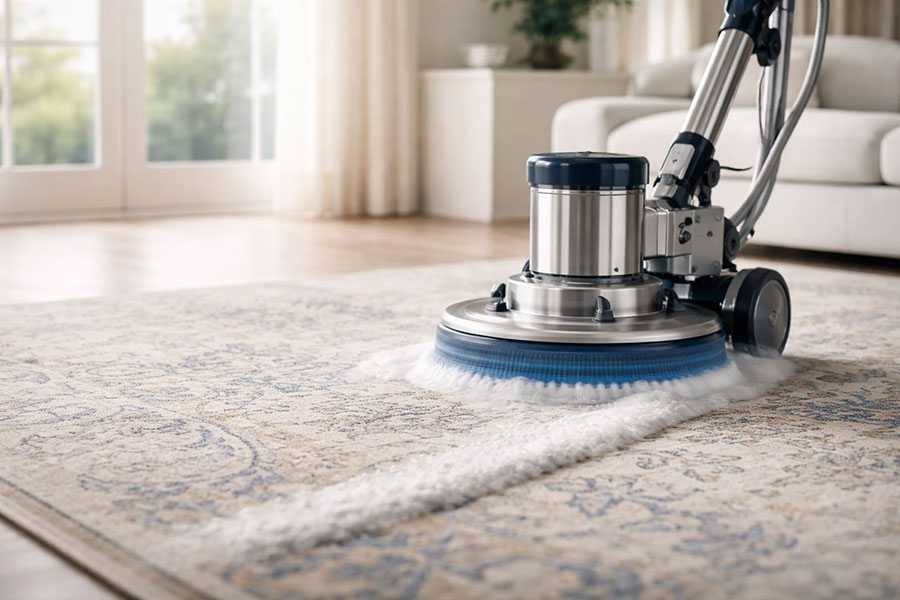
Hot water extraction uses cleaning solution and suction to recover loosened residue; our guide to hot water extraction vs steam cleaning explains how this differs from using a household steam appliance.
When to Call a Professional Carpet Cleaner
Professional assessment is sensible when:
- The sour smell persists or returns after the carpet has dried.
- A large amount of milk was spilt.
- You suspect contamination has reached the backing or underlay.
- The carpet’s fibre or cleaning requirements are unclear.
- Cleaning causes colour transfer, texture changes or a spreading mark.
Tell the cleaner when the spill happened, roughly how much milk was involved and which products you have already applied. This helps them assess the condition and choose an appropriate treatment.
Hi Carpet Cleaner’s professional carpet cleaning in London includes inspection, targeted pre-treatment, hot water extraction and moisture recovery. Treatment should suit the carpet and contamination, with attention to drying afterwards.
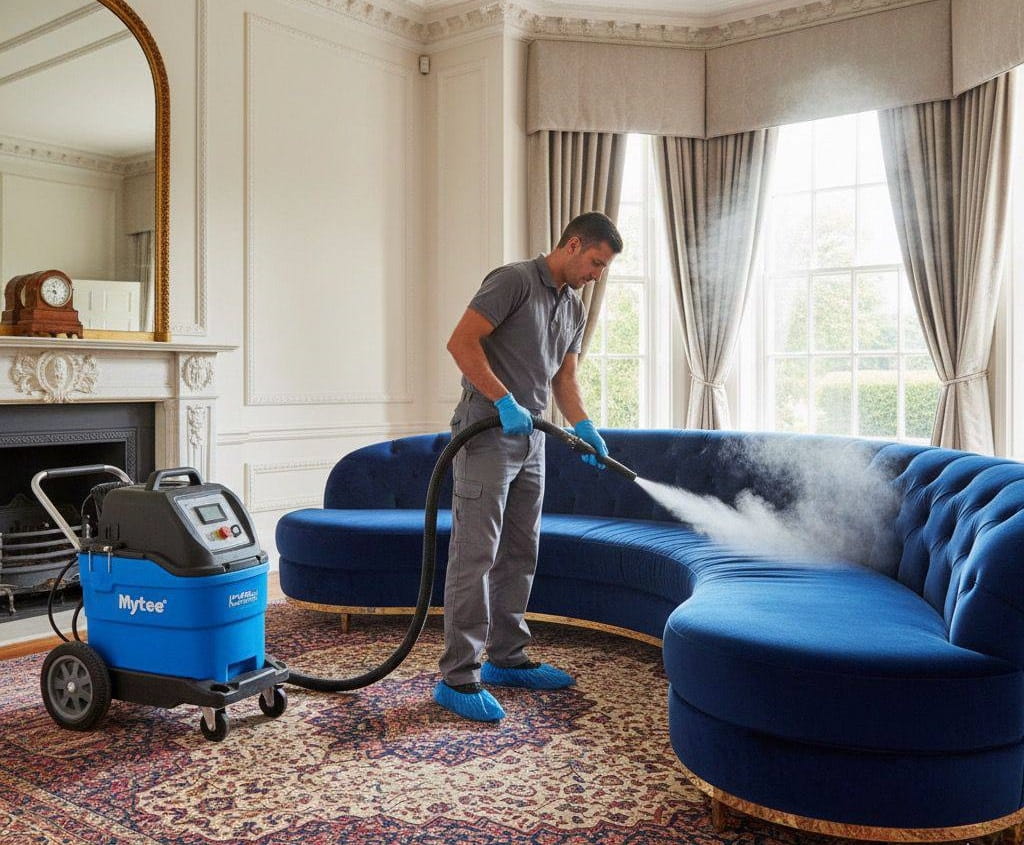
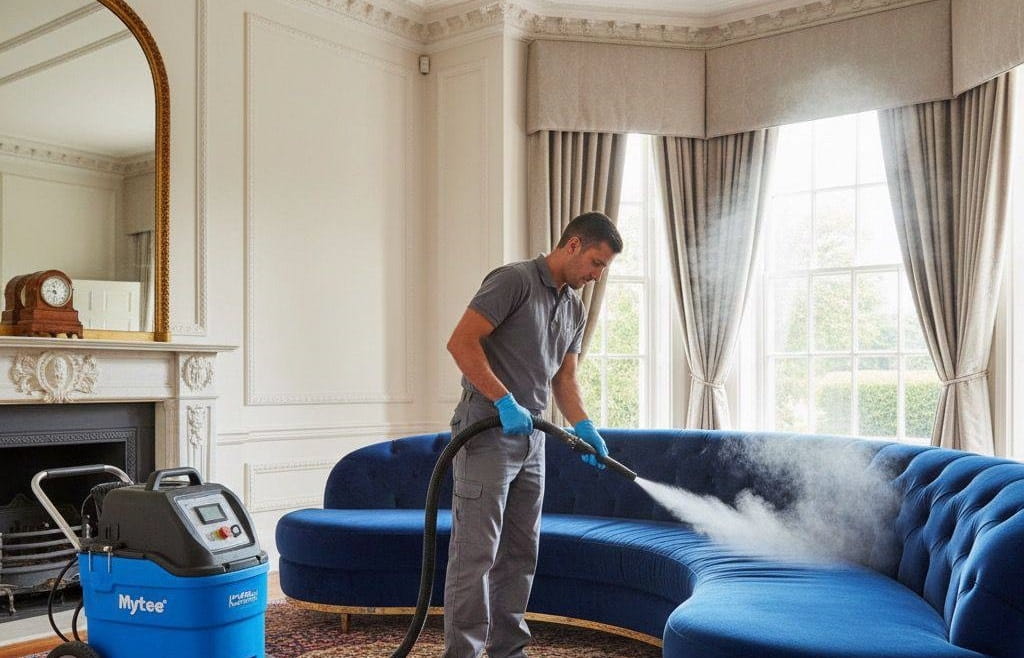
Hot water extraction uses a cleaning solution and suction to recover loosened material. It is different from holding a household steam appliance over the spill. The technician should determine suitable products and operating conditions.
If the underlay is contaminated, cleaning the visible carpet alone may be insufficient. An inspection can help establish what further work is needed.

Frequently Asked Questions
How Do You Get Sour Milk Smell Out of Carpet?
Remove the milk residue with a cleaner suitable for the carpet, follow its recovery or rinsing instructions and dry the area thoroughly. If the smell returns after drying, arrange an assessment: contamination may remain in the backing or underlay.
Why Does My Carpet Still Smell After I Cleaned the Milk?
The surface may look clean while milk residue remains deeper in the carpet. The area may also still be damp. Allow it to dry fully before reassessing. A persistent smell needs investigation rather than repeated soaking or scented sprays.
How Do You Get Dried Milk Out of Carpet?
Gently lift loose dried residue with a spoon, then vacuum the debris while dry. Treat the remaining patch with a suitable cleaner, following its contact time and removal instructions. Avoid sharp tools, forceful scrubbing and excessive water.
Can I Use an Enzyme Cleaner on a Wool Carpet?
Only use an enzyme product whose exact formulation is confirmed suitable for wool. Some tested products have WoolSafe approval, but generic enzyme cleaners and biological laundry detergents should not be assumed safe. Follow all application and rinsing instructions.
Will Bicarbonate of Soda Remove Milk Smell?
It should not be relied on to remove milk contamination. Powder does not recover milk trapped beneath the pile, and it can be difficult to remove from wet or dense carpet. Prioritise cleaning the residue and drying the affected area.
Can Milk Smell Go Away on Its Own?
Do not rely on waiting for the smell to fade. An odour becoming less noticeable does not establish that the milk has been removed. Clean the contamination promptly and reassess after drying. Persistent or recurring smells may require professional treatment.
Can I Use a Steam Cleaner on a Milk Spill?
A direct-steam appliance is not the default treatment for spilt milk. Begin with blotting and a suitable carpet-cleaning product. If using extraction equipment, confirm that the carpet, formula and machine are compatible and follow their instructions.