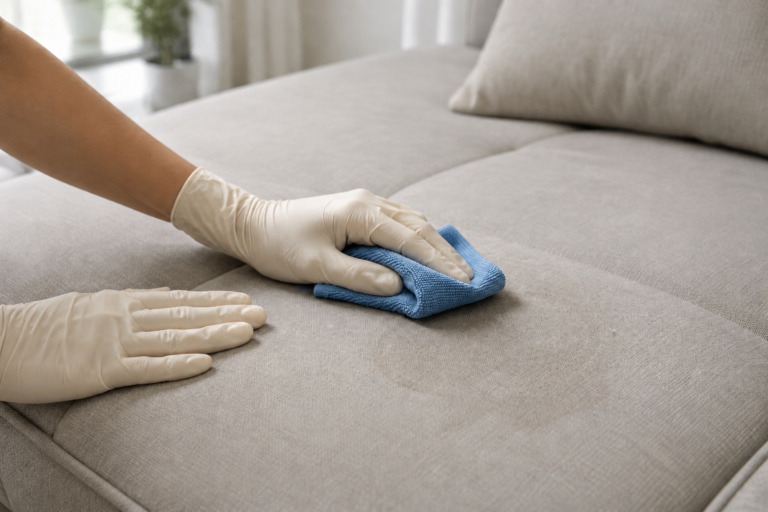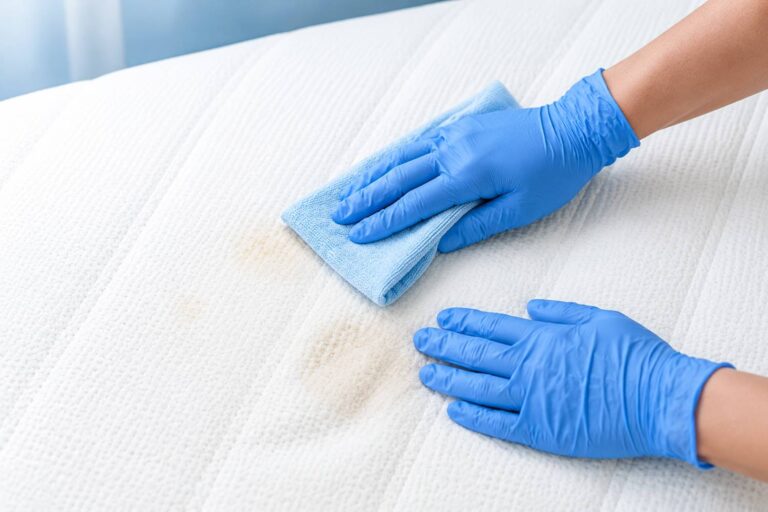
To get a smell out of a rug, first identify what is causing it. A dry rug with a light household odour may improve with vacuuming, airing and careful use of bicarbonate of soda. A rug that smells musty, has absorbed pet urine or remains unpleasant after drying usually needs deeper treatment. Always check the care label, avoid overwetting the rug and test any product in a hidden area first.
The right rug odour removal method depends on the source of the smell, the rug fibre and whether the contamination has reached the backing or foundation. This is particularly important for wool, jute, silk, viscose and handmade rugs, which can be damaged by excessive water, heat or unsuitable cleaning products.
Why Does My Rug Smell?
Rug fibres trap dust, moisture and residues from everyday life. The source of the smell may sit on the surface, but liquids can also travel through the pile into the rug’s backing, foundation or underlay. When that happens, spraying a fragranced product over the rug may hide the odour briefly without removing its cause.
Common reasons for a smelly rug include:
- Damp or slow drying after a spill, cleaning or exposure to high humidity.
- Pet urine that has penetrated below the surface fibres.
- Food, milk or drink residues that were not fully removed.
- Smoke, cooking odours and general household contamination.
- Storage in a garage, loft, cupboard or plastic wrapping before the rug was completely dry.
- Cleaning-product residue left in the rug after an unsuccessful DIY wash.
- Packaging or manufacturing odours from a new rug.
Consider when the smell started and where it is strongest. An odour that appeared after cleaning often points to slow drying, overwetting or residue. A smell concentrated in one area may be linked to a spill or pet accident. A widespread musty odour is more likely to involve moisture in the rug, room or floor beneath it.
Carpets develop the same problem, and how to get a musty smell out of your carpet uses similar techniques.
How to Get Smell Out of a Rug: Safe First Steps
For a mild odour on a rug that is dry and in otherwise good condition, begin with the least invasive method:
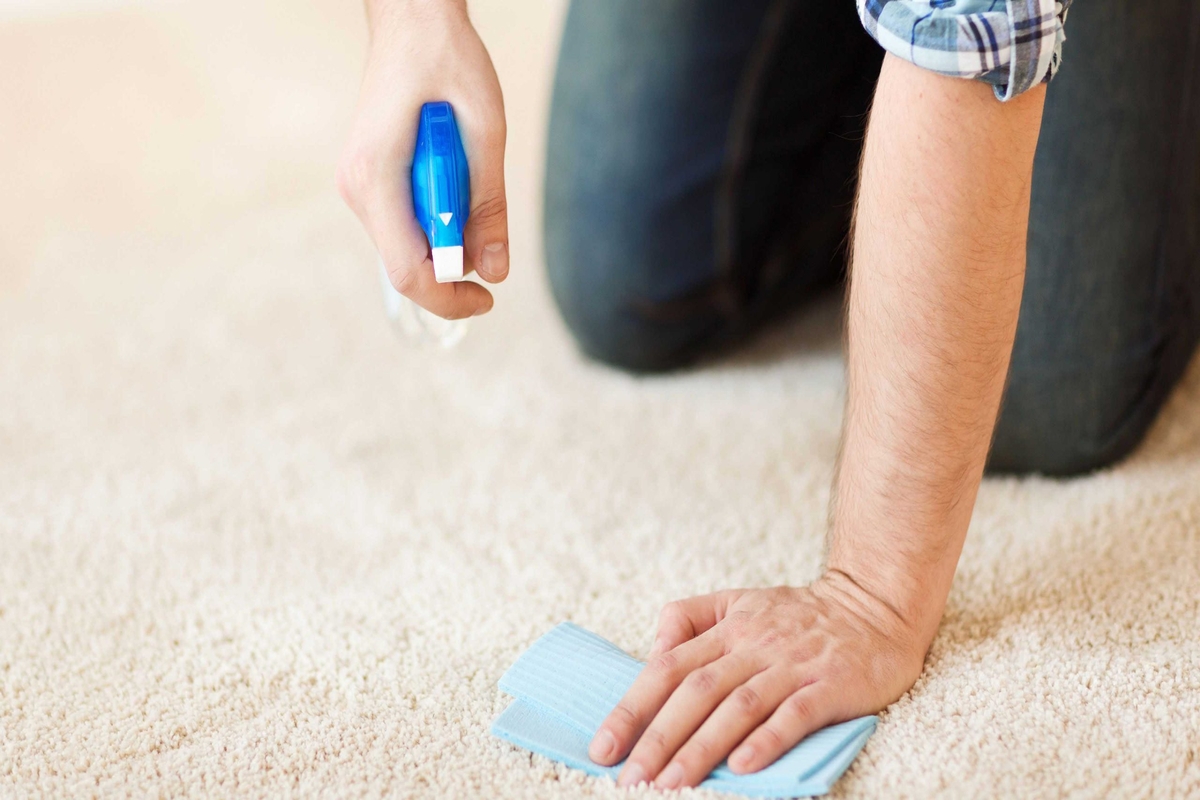
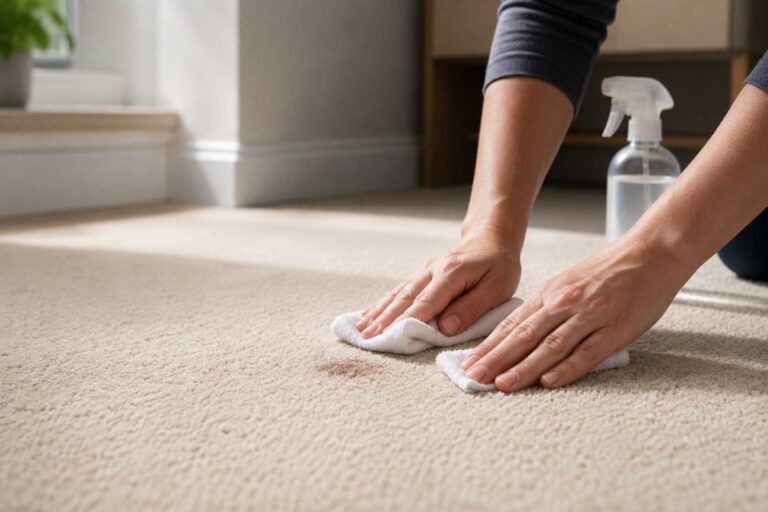
- Remove the source. Blot fresh liquid with clean white towels without rubbing it farther into the pile.
- Check the rug’s care label and, if possible, identify the fibre and construction before applying any product.
- Vacuum both sides when the rug is fully dry and the construction allows it. Dust and debris can contribute to stale smells.
- Air the rug in a dry, well-ventilated place. Use shade or indirect light for rugs with natural or unstable dyes, as prolonged strong sunlight may cause fading.
- Improve airflow in the room and use a dehumidifier if the surrounding humidity is high.
- If using a rug-safe product, follow its instructions and test it in an inconspicuous area first.
Do not combine cleaning chemicals or assume that a treatment suitable for fitted synthetic carpet is safe for a removable wool or handmade rug.

How to Get a Mildew Smell Out of a Rug
A mildew or musty smell usually indicates that the rug has remained damp or has been stored in humid conditions. Start by finding and correcting the source of moisture. Check for spills, leaks, condensation, a damp floor or an underlay that has not dried properly. Moving the rug into fresh air will not provide a lasting solution if the room or floor beneath it remains damp.
If the rug is only slightly musty, has no visible mould and has not been heavily soaked, thorough drying with ventilation and dehumidification may help. Once it is fully dry, vacuum it carefully and reassess the odour. Avoid adding more water while the rug is still damp.
Professional assessment is the safer choice when:
- The smell returns after the rug appears dry.
- There is visible mould or discolouration.
- The rug was exposed to a leak, flood or contaminated water.
- The backing, fringes or floor beneath the rug smells musty.
- The rug is valuable, handmade, antique or made from a moisture-sensitive fibre.
- Anyone in the property experiences symptoms that may be aggravated by damp or mould.
In these cases, deodorising the surface is unlikely to be enough. The contamination may need to be treated within the rug’s structure, followed by controlled drying.
Can Bicarbonate of Soda Remove Rug Odours?
Bicarbonate of soda can help absorb some light, dry surface odours. If the manufacturer’s guidance permits it, apply a light, even layer to a completely dry rug, leave it for several hours and vacuum thoroughly. Keep children and pets away from the area while it is being treated.
It is not a disinfectant and should not be relied on to remove mildew, urine or contamination in the backing. Fine powder may also be difficult to extract from dense piles and delicate rugs. If the smell is strong, localised or returns quickly, identify and treat the source rather than repeating the powder treatment.
What to Do When a Wool Rug Smells
Wool may develop a temporary natural “wet wool” smell when it becomes damp. This should reduce as the rug dries fully. A sour, musty or recurring smell, however, may indicate slow drying, residue or contamination within the pile or foundation.
Use minimal moisture, good airflow and gentle vacuuming on a wool rug. Avoid saturating it, scrubbing aggressively or applying high heat. Untested acidic or alkaline products can affect dyes, texture and the natural oils in wool. If urine, mildew or a large spill has penetrated the rug, professional inspection is safer than repeated home treatments.
Owners of handmade rugs should also follow the precautions in our guide to safe Persian rug cleaning and care.
Removing Pet, Smoke and Food Odours
Pet urine
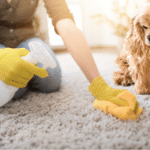
Blot a fresh accident immediately with white absorbent towels and avoid rubbing. An enzyme cleaner may help with organic contamination, but it must be labelled as suitable for the rug fibre and tested first. If urine has reached the backing or foundation, surface treatment may not prevent the smell from returning.
Also Read: How to Remove Pet Urine Smell from Carpet
Food and drink
Remove solids carefully, blot liquid and follow the care instructions for the rug. Milk, sauces and sugary drinks can leave residues that support persistent odours, so a stain that looks clean may still smell if material remains below the surface.
Smoke
Ventilation may reduce a light smoke smell, but smoke particles can spread through the pile and foundation. A heavily affected rug may require a full fibre-appropriate wash and targeted deodorising rather than perfume or surface spray.

Deep odour treatment may need a professional, so see the rug cleaning cost in London.
Rug Odour Removal Methods to Avoid
Many online tips present one household product as suitable for every smelly rug. In practice, the safety of vinegar, detergents, extraction machines and other treatments depends on the fibre, dyes, construction and condition of the rug.
Avoid:
- Oversaturating the rug or repeatedly wetting an odour that has not been identified.
- Using a steam or carpet-cleaning machine without confirming that the rug is suitable for the method.
- Applying high heat, which may affect fibres, dyes, adhesives or backing materials.
- Mixing vinegar, bleach, peroxide, ammonia or other household chemicals.
- Scrubbing wool, silk, viscose, jute or handmade rugs aggressively.
- Using fragrance to mask an odour while moisture or contamination remains.
If the care label is missing or the rug is valuable, a professional cleaner can test the fibres and dyes before deciding how it should be treated.
Removing the smell is only part of the process. If moisture has caused physical damage, professional rug repair may also be required.
When Is Professional Rug Odour Removal Needed?
Professional treatment is recommended when the smell returns after drying, pet urine has soaked through the pile, the rug has visible mould, dyes are moving, or the rug has been exposed to a large amount of water. It is also the safer option for antique, Oriental, Persian, silk, wool and other specialist rugs when the correct method is uncertain.
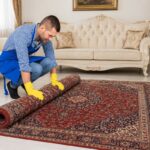
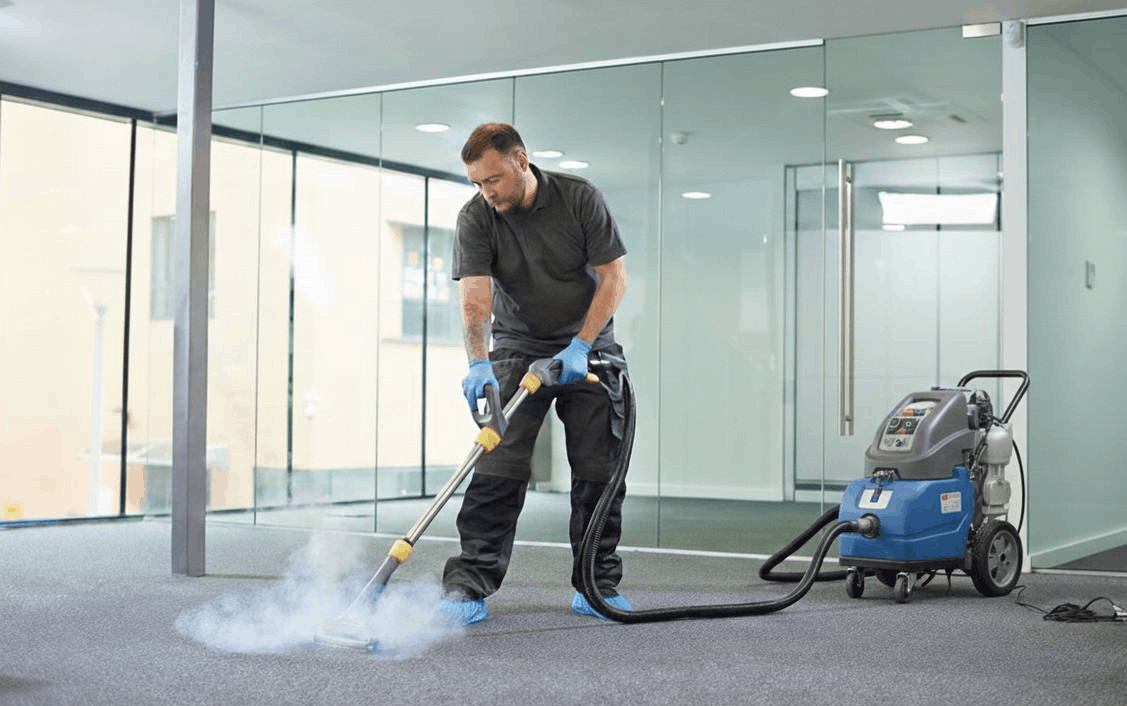
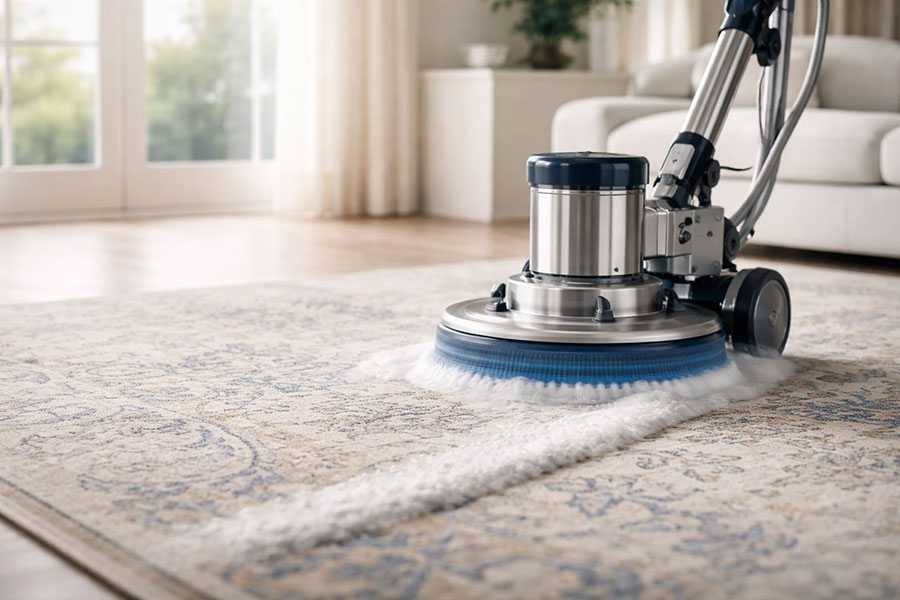
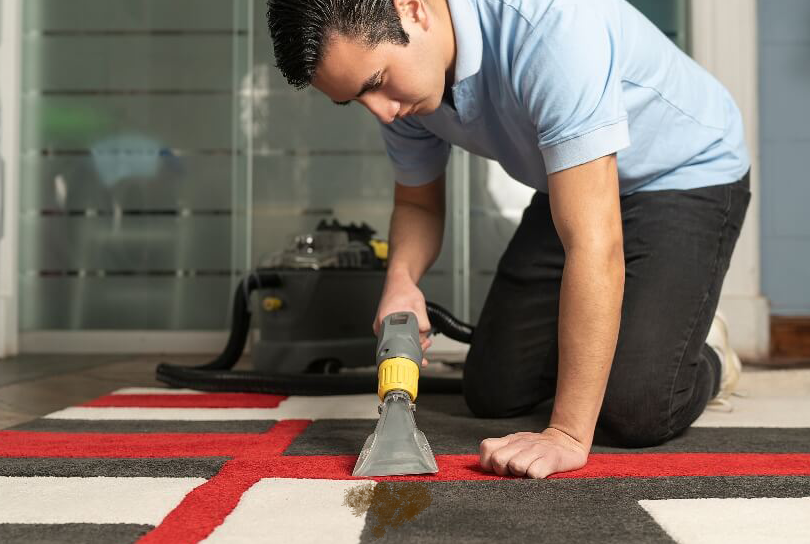
A professional process should begin with inspection and testing. Depending on the rug, treatment may include dry soil removal, targeted pre-treatment, fibre-appropriate washing or rinsing, odour neutralisation and controlled drying. Hot water extraction and workshop hand-washing are different processes; the cleaner should select the method that suits the rug rather than applying one method to every item.
To learn more about why hiring a professional is the best choice for your carpet, check out this article on DIY Carpet Cleaning vs Hiring a Pro in London.
Does the Rug Need a Full Wash or Only Odour Treatment?
A dry rug with a mild surface odour may only need ventilation, vacuuming or a targeted treatment. A full wash is more likely to be needed when urine, drink residue, smoke or mildew has travelled into the foundation, or when the odour returns after the surface has been treated.
The aim should be to remove the source of the smell, not simply cover it. Drying time will vary according to fibre, pile, construction, the amount of moisture used, humidity and airflow. The rug should be completely dry before it is returned to the floor or placed in storage.
How to Prevent Musty Smells in Rugs
- Deal with spills quickly and dry both the rug and the floor beneath it.
- Improve ventilation and control condensation or high indoor humidity.
- Do not place a damp rug back onto underlay or a cold floor.
- Vacuum regularly to reduce dust, hair and food particles.
- Store rugs only when completely clean and dry.
- Roll rugs instead of folding them and use breathable wrapping rather than sealed plastic.
- Keep stored rugs elevated from garage, loft or basement floors and inspect them periodically.
When home remedies fail, it helps to know what types of stains can professional carpet cleaning remove.
Professional Rug Odour Removal in London
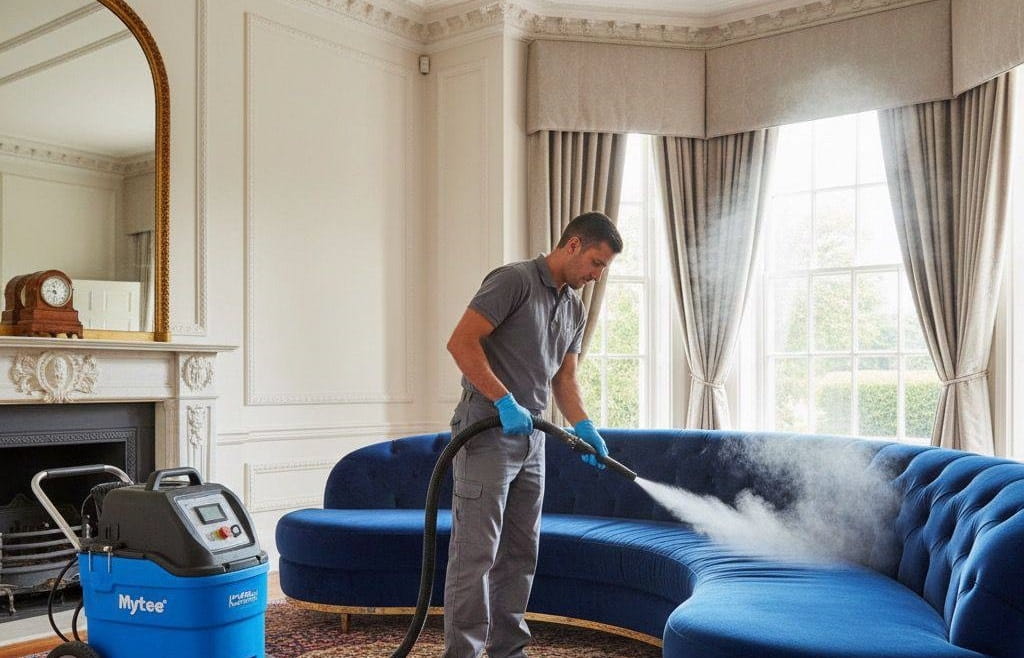
If a rug still smells after safe home treatment, HiCC can inspect the fibre, construction and source of contamination before recommending the appropriate cleaning method. Our professional rug cleaning service in London includes options for specialist and delicate rugs, with workshop treatment and collection or delivery available where appropriate.
Learn more about professional rug cleaning in London, or send HiCC clear photos of the rug and the affected area for initial advice and an accurate quotation.
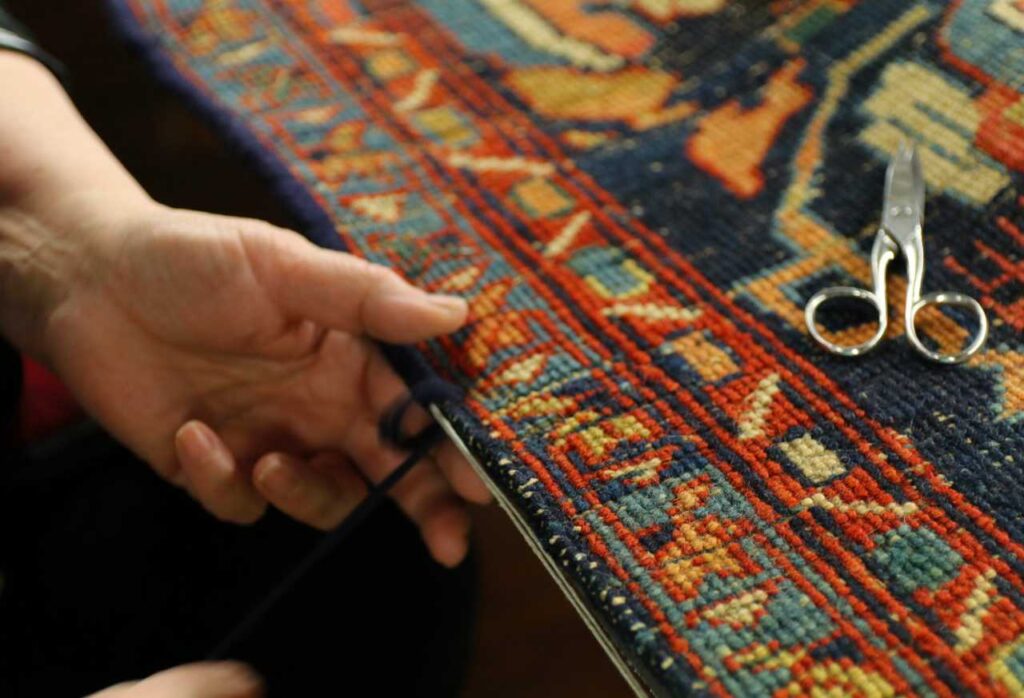
Where long-term moisture has also caused fraying, holes or structural damage, professional rug repair may be needed after the rug has been assessed and cleaned.

Frequently Asked Questions
How do you get a musty smell out of a rug?
Find and correct the moisture source first, then dry the rug and the floor beneath it completely using ventilation and dehumidification. Vacuum the rug when dry. If the smell returns, the backing or foundation may require professional cleaning.
How can I get a mildew smell out of a rug?
A light musty smell may improve after thorough drying, but visible mould, recurring odour or a rug that has been soaked should be professionally assessed. Adding fragrance or more moisture will not remove contamination below the surface.
Why does my rug still smell after cleaning?
The rug may have been overwet, dried too slowly or left with cleaning residue. The original contamination may also remain in the backing or foundation. Improve airflow and allow the rug to dry fully; arrange an inspection if the smell persists.
Can I use bicarbonate of soda on a wool rug?
Only use it if the care guidance allows it and the rug is completely dry. Test first, apply lightly and vacuum thoroughly. Do not work powder deeply into a dense pile, and do not expect it to remove urine or mildew contamination.
Why does my wool rug smell when it gets wet?
Damp wool can release a temporary natural odour. It should fade as the rug dries. A sour, musty or recurring smell may indicate slow drying, residue or contamination and should be investigated.
Will vinegar remove rug odours?
Vinegar may affect some odours, but it is not suitable for every rug. Acidity, dye stability, fibre and construction all matter. Check the care instructions and test any approved treatment in a hidden area rather than using a universal vinegar recipe.
When should a smelly rug be professionally cleaned?
Arrange professional cleaning when the smell returns, urine or a spill has soaked through, mildew or mould is suspected, the rug was flooded, colours are bleeding or the rug is valuable or made from a delicate fibre.