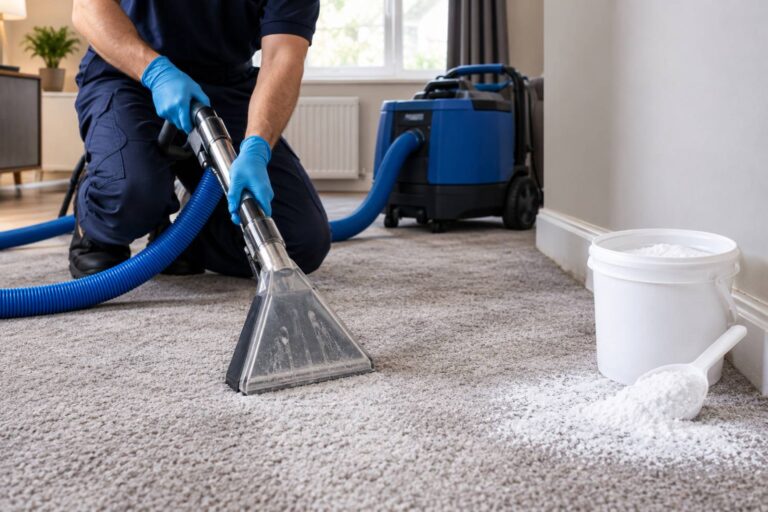
To clean a Persian rug safely at home, vacuum gently with the beater bar switched off and blot any fresh spill immediately with a clean, dry cloth, working from the outside in, never rubbing. For minor fresh stains, use a tiny amount of well-diluted, pH-neutral detergent in cool water, but always patch-test a hidden corner first to check the dyes do not run. Anything deeper, a silk or antique rug, a full wash, or an old, set-in or pet-urine stain, should be left to a professional rug cleaner, because the colour-run and fibre-damage risks are too high to gamble on a valuable piece.
A handmade Persian or Oriental rug is rarely just a floor covering. It is often an heirloom, an investment and a genuine work of craft. The good news is that most everyday care is well within your reach. The important part is knowing exactly where safe home care ends and professional cleaning begins, and that honest line is what this guide is built around.
How to clean a Persian rug: understand it before you start
Before any cleaning, it helps to understand what you are actually working with. The fibre and the dyes determine almost everything about what is safe to do.
Why fibre and dye matter (wool, silk, natural dyes)
Most Persian rugs are hand-knotted from wool, silk, or a wool-and-silk blend, and many are coloured with natural dyes. Wool is reasonably resilient and naturally repels light soiling, but it still holds moisture and can felt or shrink if over-wetted. Silk is far more delicate, it is weaker when wet, prone to losing its sheen, and easily damaged by heat and friction. The real concern with both is colour run: natural dyes were never designed for modern cleaning chemicals, and once a dye begins to bleed, the colours can migrate into neighbouring areas and the damage is often permanent. This is why a method that is fine for a synthetic rug can ruin a genuine Persian one.
Many Persian rugs are woven partly from silk, see our guide to silk carpet cleaning for fibre-specific care.
Always check the care label and patch-test first
If your rug has any care label or paperwork, read it first, though many antique and handmade pieces carry none. Either way, a patch test is non-negotiable. Dampen a white cloth with your cool, diluted cleaning solution and press it gently onto a hidden corner of the pile for a few seconds. If any colour transfers to the cloth, stop immediately, the rug needs professional handling. Patch-testing takes a minute and is the single most reliable way to avoid an expensive mistake.
What you can safely clean at home
Routine maintenance and small, fresh spills are genuinely suited to home care. Done gently, they keep your rug healthy between professional cleans.
Scenario | Safe to do at home | Leave to a professional |
Routine dust and grit | Yes — gentle vacuum, beater bar off, avoid fringes | — |
Fresh, minor spill | Yes — blot immediately, work outside in | — |
Old or set-in stain | No | Yes — professional extraction needed |
Pet urine soaked through | No | Yes — deep contamination, risk of odour |
Silk or antique rug | No | Yes — high colour-run and damage risk |
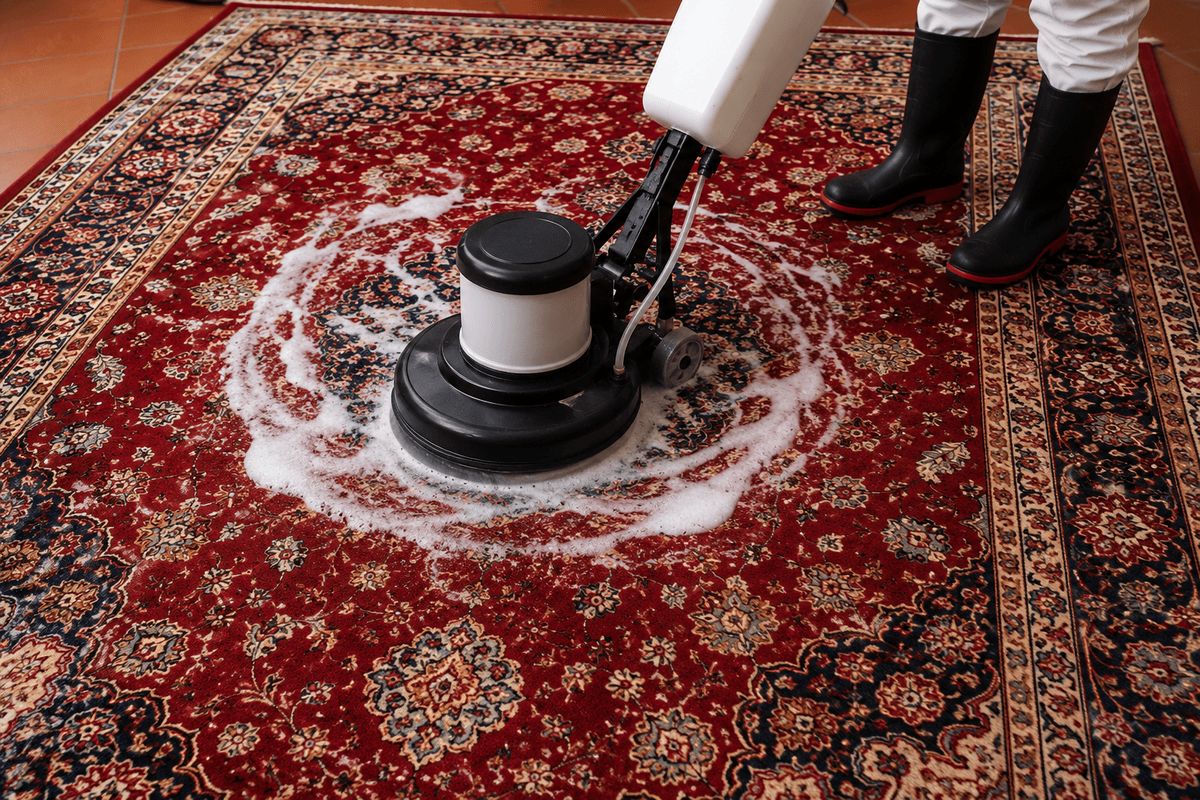
Full wash / deep clean | No — never soak, hose, machine or steam | Yes — controlled wash and drying |
How to vacuum a Persian rug safely (beater bar off, fringe care)
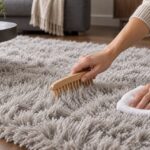
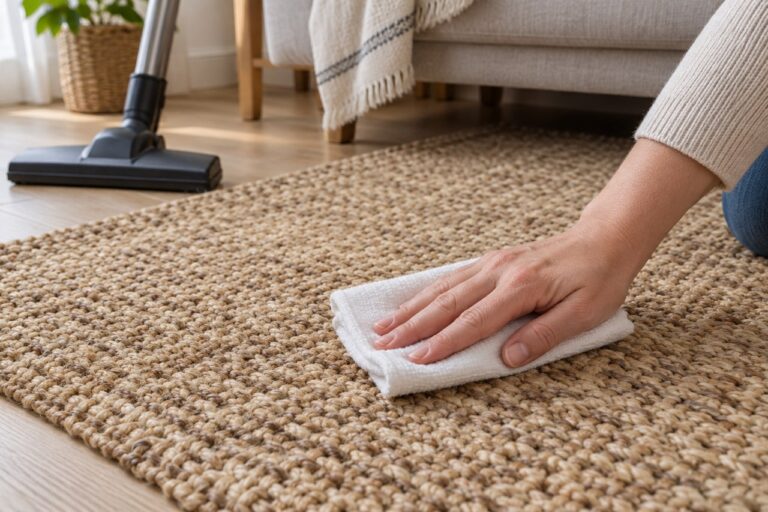
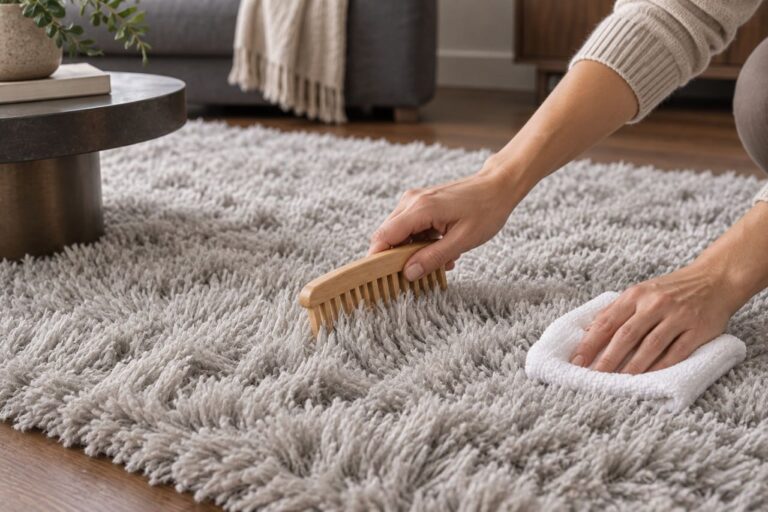
Vacuum gently and regularly to lift the grit that wears down fibres from within. Turn the beater bar or rotating brush off and use suction only, ideally on a low setting or with a flat upholstery attachment. Vacuum in the direction of the pile rather than against it, and never run the vacuum over the fringes, they snag and tear easily, and fringe repair is a specialist job. Occasionally vacuuming the underside as well helps remove embedded dust. For most homes, a gentle vacuum once a week is plenty.
How to treat a fresh spill (blot, don’t rub)
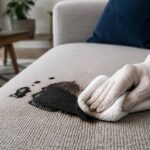
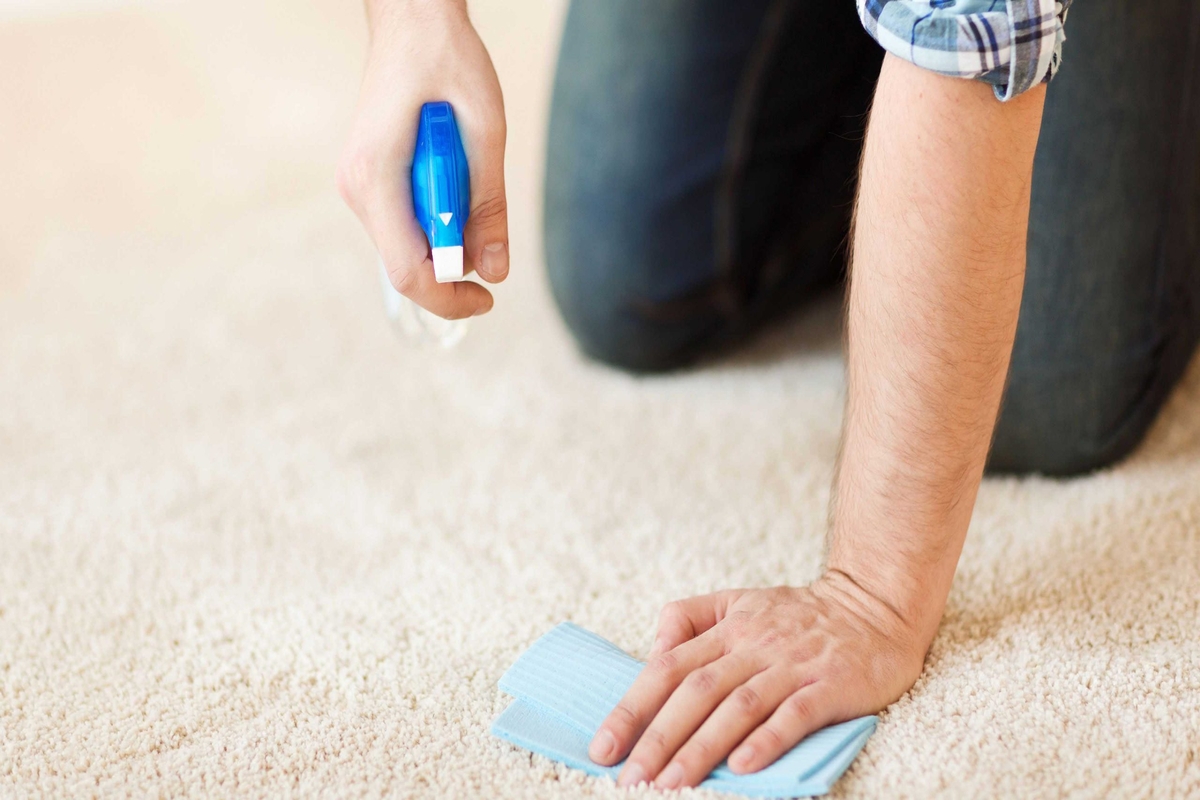
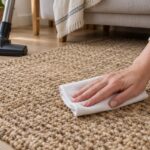
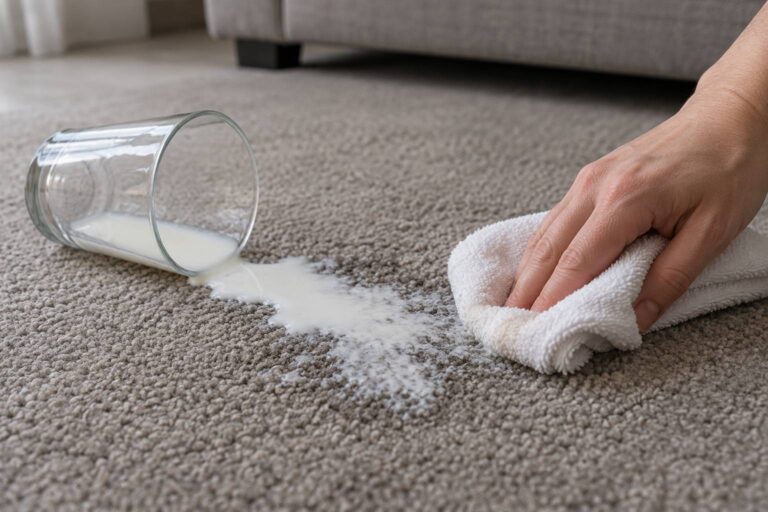
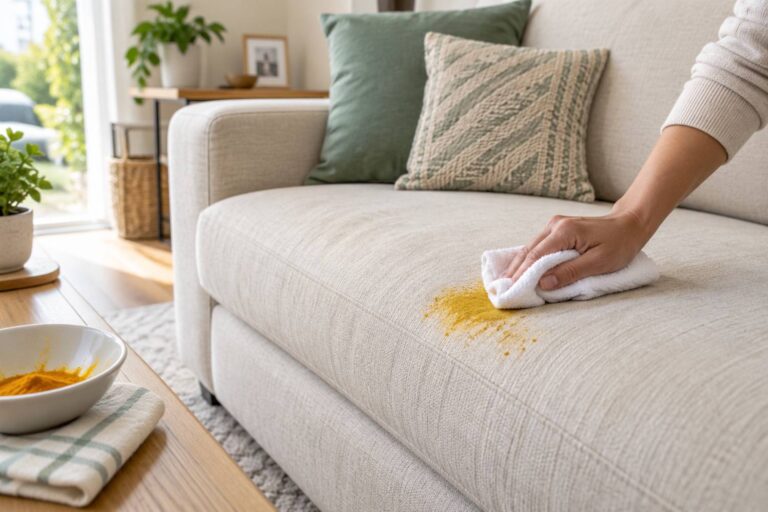
Act quickly on any spill, because the longer a liquid sits the deeper it soaks. Blot, never rub, using a clean, dry, white cloth or paper towel, pressing firmly to absorb as much as possible. Always work from the outside of the spill inwards, so you contain it rather than spreading it wider. Rubbing pushes the liquid into the foundation and can distort the pile, so patience with simple blotting does far more good than vigorous scrubbing.
Safe spot-cleaning for minor stains (mild, diluted, patch-tested)
For a minor fresh stain that remains after blotting, you can attempt light spot-cleaning, but keep it gentle. Mix a tiny amount of pH-neutral or mild detergent into cool water until well diluted, patch-test it on a hidden corner first, and only then dab it onto the stain with a barely-damp cloth. Use as little moisture as possible and blot dry as you go. Avoid hot water, strong stain removers and bleach entirely. White vinegar is sometimes suggested online; if you choose to try a heavily diluted solution it must be patch-tested first, as it is not suitable for all dyes and fibres, when in doubt, plain blotting followed by a professional is the safer route. Vinegar is not a universal fix.
Drying your rug correctly
Drying matters as much as cleaning. After any damp treatment, dry the rug flat or slightly elevated to allow air to circulate underneath, and keep it away from direct heat, radiators and strong sunlight, which can fade dyes and distort fibres. Good airflow, an open window or a fan nearby, speeds things along. In London’s often damp climate, full drying can take time, so never leave a rug damp for long: trapped moisture is the main cause of mildew, odour and backing damage.
If odour rather than dirt is the issue, read how to get smells out of a rug safely first.
What to leave to a professional rug cleaner
Knowing what not to attempt is the most valuable skill in rug care. The following situations carry real risk and are best handled by specialists.
Silk, antique and valuable hand-knotted rugs
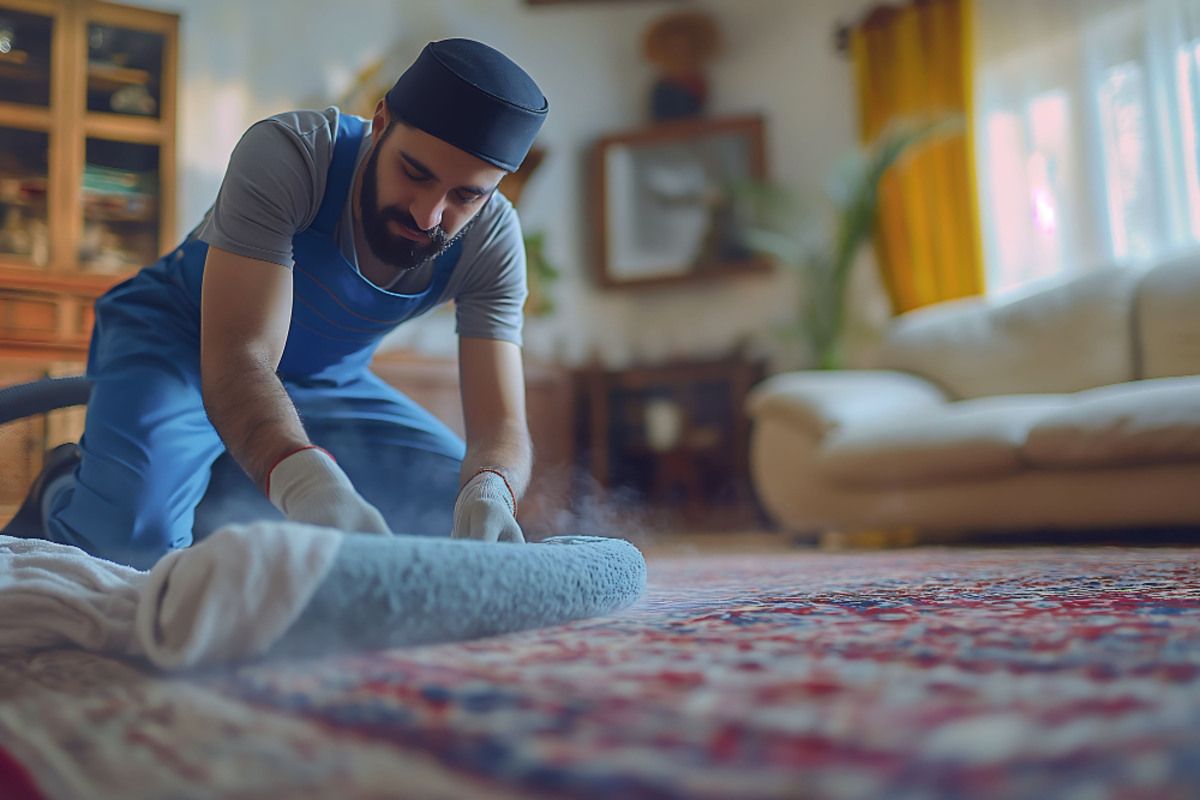
Any silk rug, antique piece, or hand-knotted rug of significant value should be left to a professional. These carry the highest colour-run and fibre-damage risk, and their value means a single misjudged clean can be very costly. A specialist rug cleaning service assesses the fibre and dyes first and matches the method to the piece, rather than applying a one-size-fits-all approach.
Deep cleaning, full washing and set-in stains
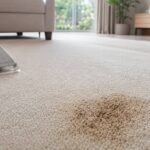
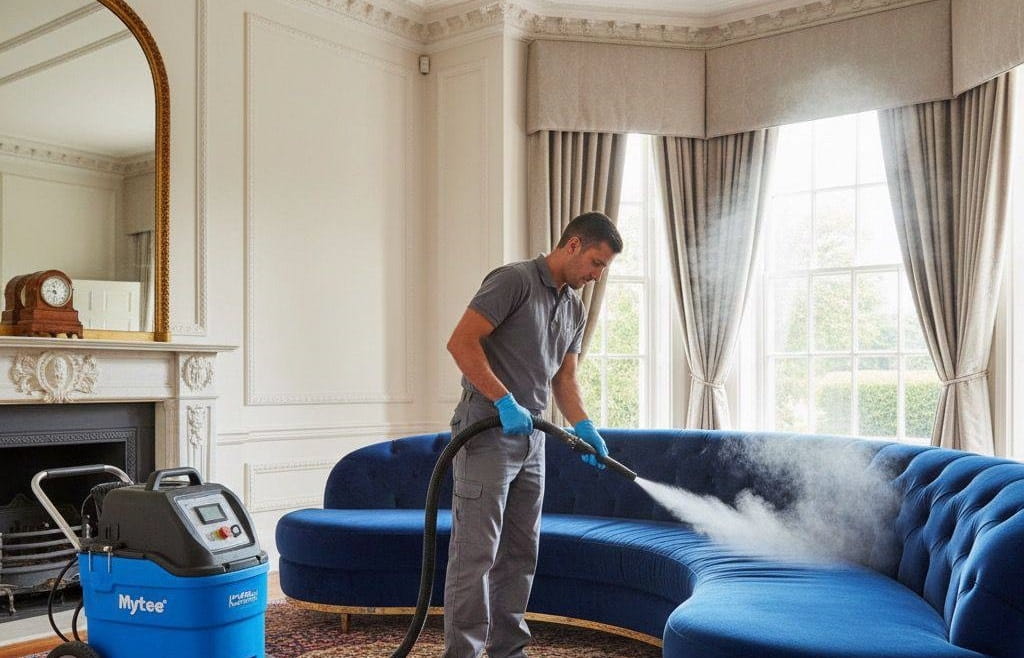
Never deep-clean a genuine Persian rug at home by soaking, hosing it down, machine washing or steam cleaning it. Full immersion risks colour run, shrinkage and backing damage, and a rug that cannot dry quickly enough will develop mildew and lasting odour. Old, set-in, large or unknown stains, and pet urine that has soaked through into the foundation, also need professional extraction, surface treatment alone rarely reaches contamination deep in the pile.
Warning signs to stop and call an expert (dye bleeding, odours, fringe/structural damage)
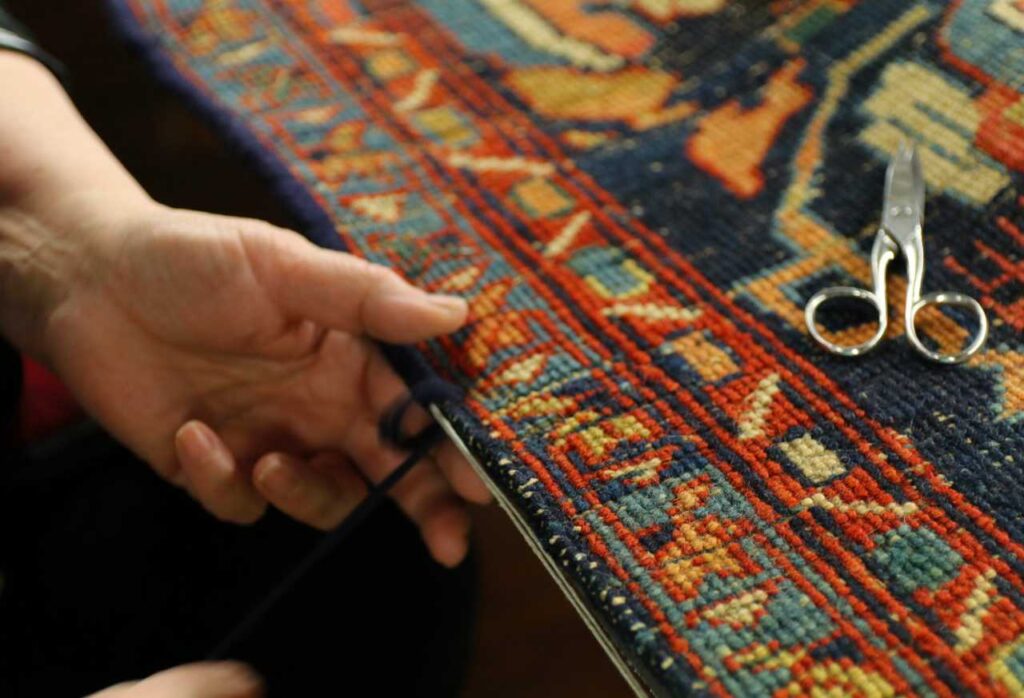
Some signs mean you should stop immediately. Any visible dye bleeding during a patch test, persistent odours suggesting deep contamination, or fringe and structural damage all call for expert attention. Damaged fringes, holes and worn areas in particular are a restoration matter, our rug repair and restoration work covers reweaving, fringe repair and structural issues wherever the fibre and condition allow. When in doubt, a rug is simply too valuable to gamble on. Loose fringes or structural damage may need rug repair in London before further cleaning.
Pricing for pieces like this is always individual, see How Much Does Rug Cleaning Cost in London?
How professional Persian rug cleaning works in London
Professional cleaning is not just “a stronger version” of home care, it is a controlled process built around the specific rug.
In-home vs specialist workshop cleaning
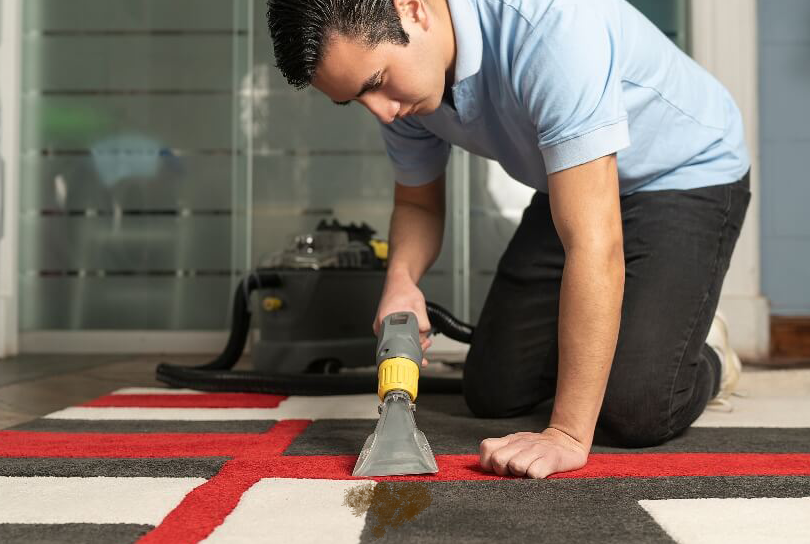
Some rugs can be cleaned gently in your home, but delicate, valuable or heavily soiled pieces are usually best cleaned in a specialist workshop. There, a rug can be dusted thoroughly, washed with appropriate water extraction, and, crucially, dried in a controlled drying room rather than left to chance in a damp room at home. For workshop cleaning we arrange collection and delivery, so the rug is handled carefully from door to door.
Why an assessment-first, insured London team matters
A trustworthy clean begins with an assessment, not a machine. As a London-based team in Edgware, Hi Carpet Cleaner inspects each rug’s fibre, dyes and condition before recommending anything, and provides a free, no-obligation quote. Our team is DBS-checked and our work is backed by AXA insurance cover of up to £10m, which matters when a treasured rug is in someone else’s hands. The aim is always to protect the piece first, and to be honest when gentle home care is genuinely all a rug needs.

Frequently asked questions
How often should I clean a Persian rug?
Vacuum gently about once a week and blot spills as they happen. A professional clean every one to three years suits most rugs, depending on foot traffic, pets and how much soiling the rug picks up.
Can I steam clean a Persian rug?
No, steam cleaning is not recommended for a genuine Persian rug. The heat and moisture can cause colour run, shrinkage and fibre damage, particularly on wool and silk, and the rug may not dry quickly enough to avoid mildew.
Can I use vinegar to clean my Persian rug?
Only with great caution. A heavily diluted white-vinegar solution is sometimes suggested, but it is not suitable for all dyes and fibres, so it must be patch-tested on a hidden corner first. When unsure, plain blotting followed by professional advice is the safer choice, vinegar is not a universal fix.
How do I dry a Persian rug after cleaning?
Dry it flat or slightly elevated with good airflow, away from direct heat, radiators and sunlight. In damp conditions full drying can take time, so never leave a rug wet for long, as trapped moisture leads to mildew and odour.
Is it safe to wash a silk rug at home?
No. Silk is delicate, weak when wet and highly prone to colour run, so silk rugs should always be cleaned by a professional rather than washed at home.
How much does professional Persian rug cleaning cost in London?
Costs vary with the rug’s size, fibre and condition, so pricing is best given after an assessment. Hi Carpet Cleaner provides a free, no-obligation quote, so you know the cost before any work begins.