If you want the short answer, summer is generally the best season to clean carpets in London, the warmer temperatures and better air circulation give the fastest natural drying, which is why it’s the most popular time of year for in-home cleaning. It’s worth knowing that summer is also peak season, so prices tend to be higher and appointments fill up faster.
That said, there’s no genuinely wrong season to clean your carpets. Professional water extraction removes most of the moisture before drying even begins, so in practice the right method matters far more than the month on the calendar. This is especially true in London, where our damp climate and our mix of period conversions and modern flats mean drying conditions vary from home to home as much as they vary from season to season.
If you’ve been holding off until “the right time,” this guide walks through how carpets actually dry in London homes, what changes season by season, and why a professional clean delivers consistent results whatever the weather.
When home treatment is unsuitable or the problem affects a larger area, professional carpet cleaning services in London can provide fibre-appropriate hot water extraction and targeted pre-treatment.
Key Takeaways
- Summer is generally the best season to clean carpets in Londonm warmth and good air circulation give the fastest natural dryingm though it’s also peak season, so prices are higher and availability is tighter.
- That said, there’s no genuinely “wrong” season: professional water extraction removes most of the moisture before drying begins, so the method matters more than the month.
- Winter is often the most cost-effective time, with lower demand and easier scheduling; with extraction and indoor heating, results are just as good.
- In many modern or renovated London homes, underfloor heating can noticeably shorten drying time in both summer and winter.
- Heavier soiling needs more water and product to lift, so more soiled carpets take longer to drym in certain conditions, up to 24 hours.
The Best Season to Clean Carpets in London, Season by Season
Each London season brings its own practical considerations, from spring pollen to summer pricing. Here’s how they compare.
Season | Natural drying speed | Pricing & availability | Best for |
Spring | Moderate | Standard | Clearing winter allergens and pollen |
Summer | Fast (with good ventilation) | Higher (peak season) | Quick drying, scheduling around holidays |
Autumn | Moderate | Standard | Pre-festive refresh, tracked-in mud and leaves |
Winter | Slower naturally, but managed with heating & extraction | Often lower, better availability | Value bookings and easier scheduling |
Natural drying speed reflects the weather alone; with professional extraction and ventilation, results stay consistent across every season.
Spring: post-winter allergens and pollen
Spring is an ideal time to clear out the allergens and dust that build up over a closed-up winter. Carpets trap pollen, dust mites and everyday debris, and a thorough professional clean at the start of the warmer months can leave a home feeling fresher before allergy season peaks. Drying conditions are moderate and improving, and pricing is typically standard rather than peak.
Also read: Does Carpet Cleaning Remove Dust Mites and Allergens?
Summer: fastest natural drying, but peak season and higher prices
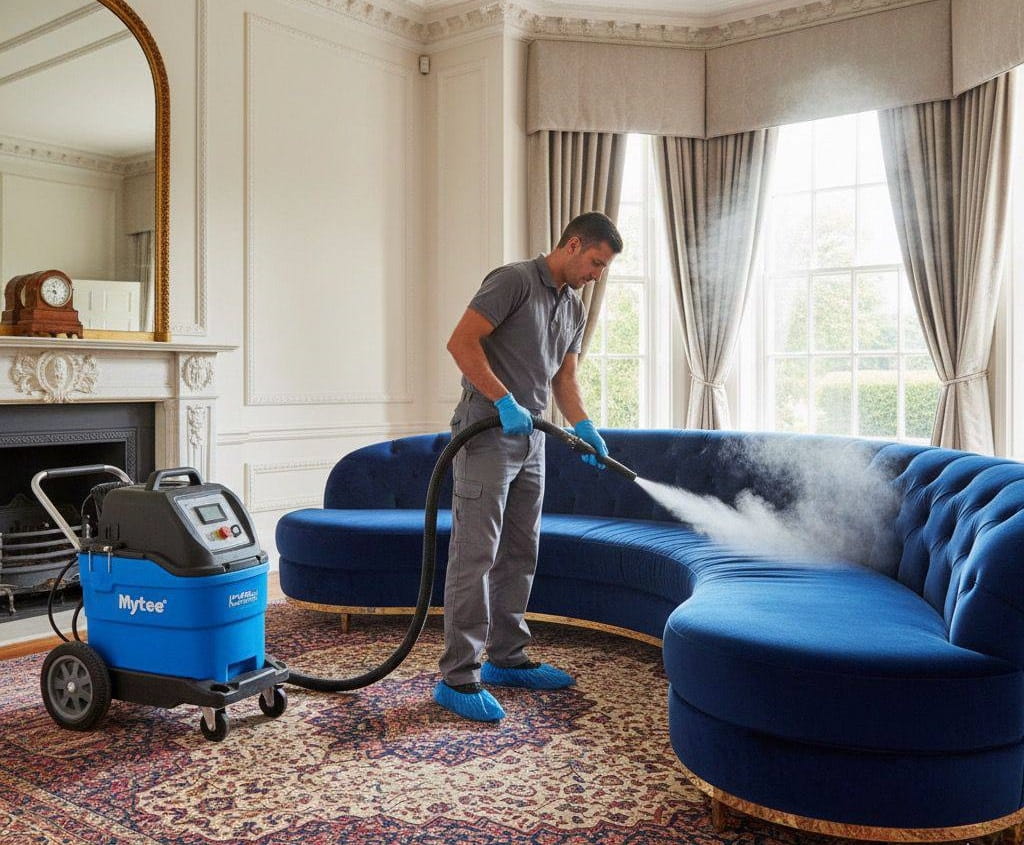
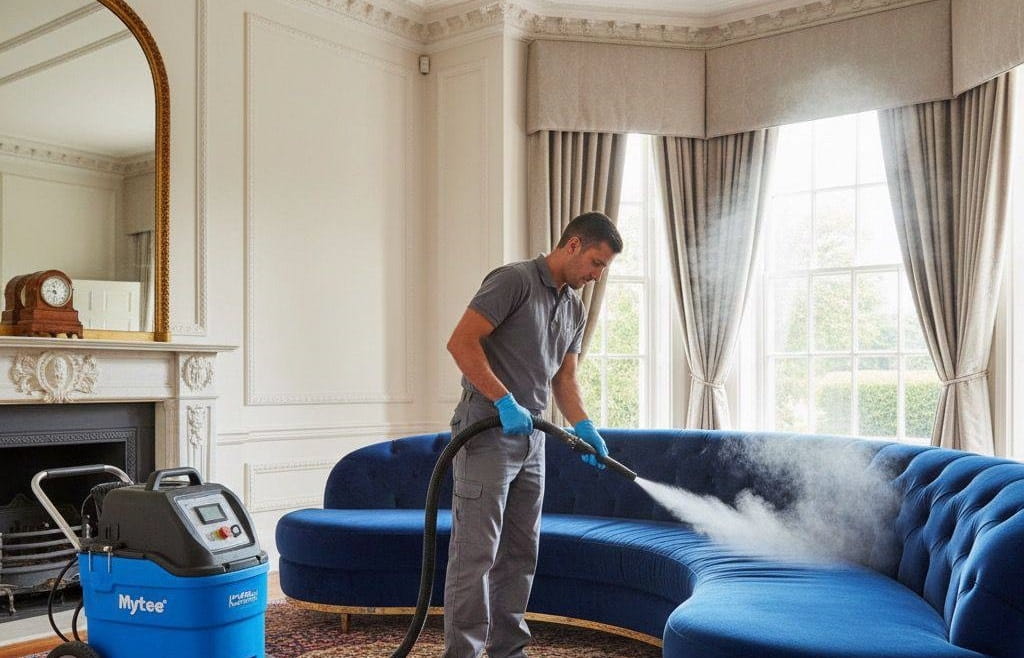
Summer offers the fastest natural drying, thanks to warmth and good air circulation, which makes it a popular season for in-home carpet and upholstery cleaning. The trade-off is that summer is the peak season for London cleaning companies, so prices tend to be higher and availability tighter — booking early is wise. It’s also a practical time to schedule around family holidays, so carpets can dry in an empty home.
Also read: How Much Does Carpet Cleaning Cost in London?
Autumn: pre-festive prep and tracked-in mud and leaves
Autumn is a sensible time to refresh carpets before the festive season and winter guests arrive. It’s also when mud, wet leaves and grit start being tracked indoors, so a clean now helps protect carpets through the messier months. Drying conditions are moderate, and pricing has usually eased from the summer peak, a good window for households planning ahead for Christmas entertaining.
Winter: Is winter a bad time to clean carpets in London?
No, winter is not a bad time to clean carpets in London. London’s damp winter air can slow natural drying, but professional water extraction removes most of the moisture upfront, and indoor heating helps the rest evaporate. Winter also tends to bring lower demand, which can mean better availability and more competitive pricing. With the right method, a winter clean can be just as effective as one in summer.
Beyond timing, it’s worth knowing how often carpets should be professionally cleaned overall.
What Factors Affect How Carpets Dry After Cleaning in London?
Carpet drying time after cleaning depends on temperature, air circulation, humidity, how much moisture is extracted, and how soiled the carpet was to begin with. Understanding these factors explains why season matters less than most people assume.
How underfloor heating can speed up drying (a London advantage)
In many modern and renovated London homes, running underfloor heating for a couple of hours can noticeably speed up carpet drying, in both summer and winter. The gentle, even warmth lifts the carpet’s temperature from below, helping residual moisture evaporate more quickly and evenly. Underfloor heating is increasingly common in London’s newer housing stock, and it’s one of the simplest things a household can do to help carpets dry sooner, whatever the season. Actual times will vary with the room, the carpet and how heavily soiled it was.
Why professional water extraction matters
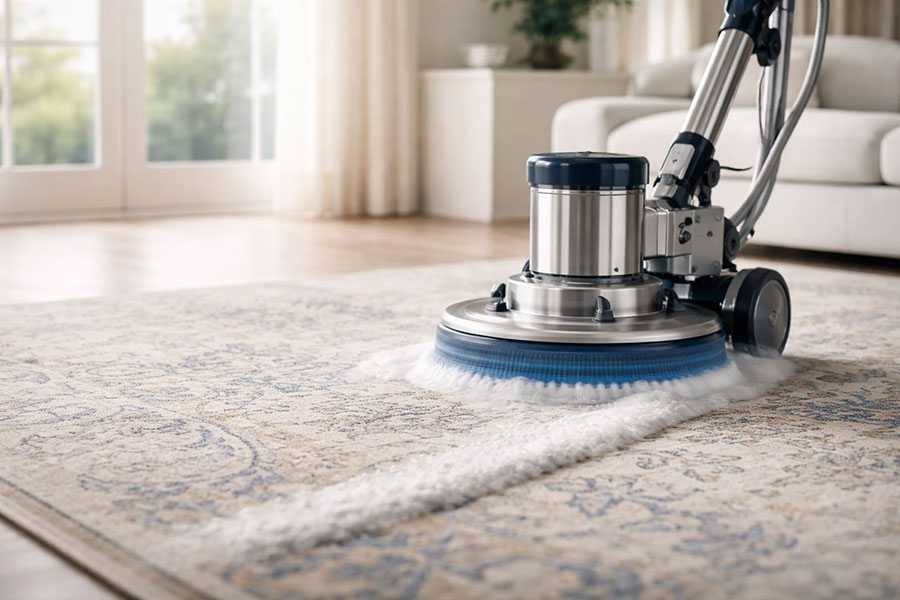
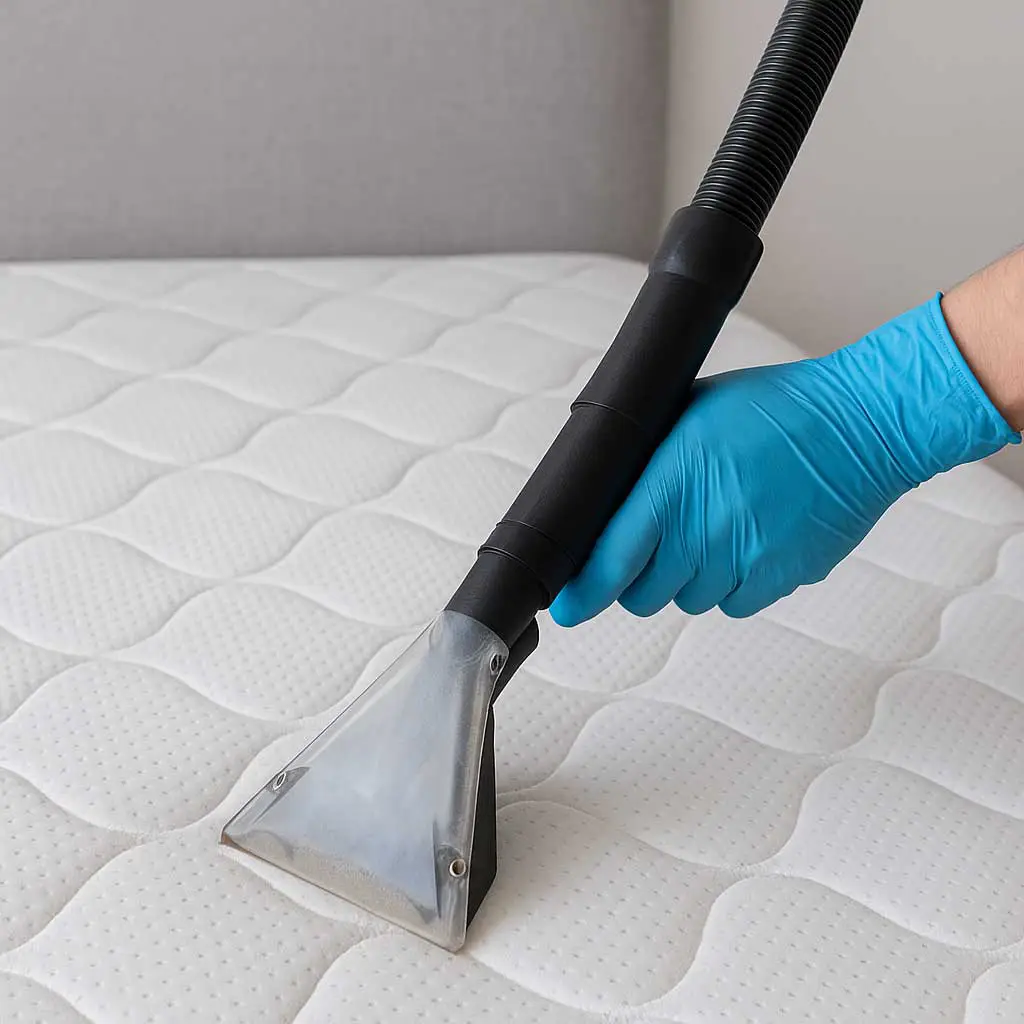
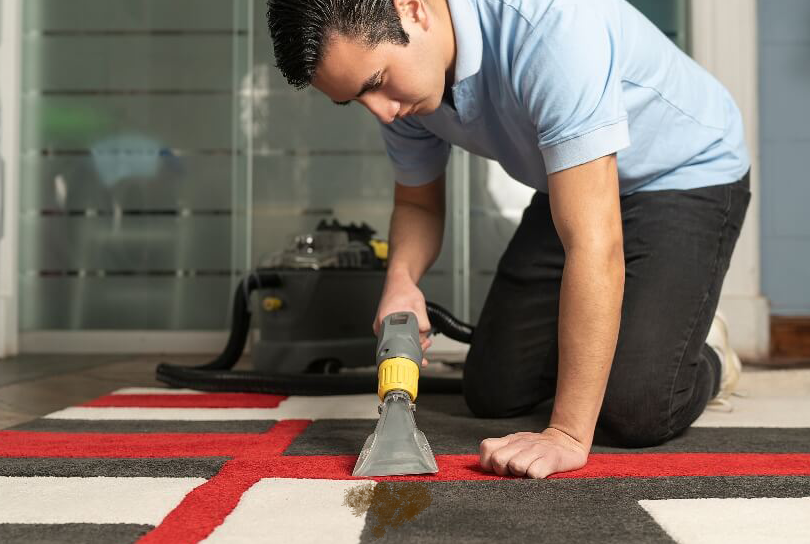
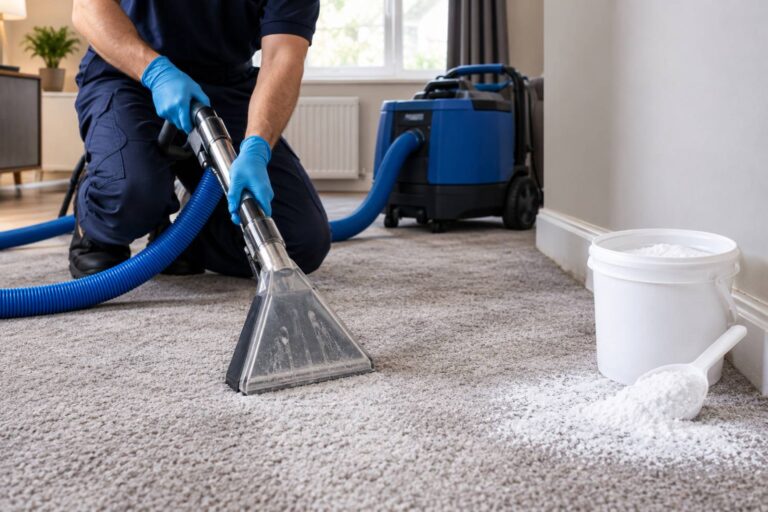
Professional water extraction removes most of the moisture from a carpet before natural drying even begins. This is the single biggest reason season is less important than people think. Powerful extraction equipment pulls water and loosened soil out of the fibres in the same pass, so the carpet is left damp rather than wet. Less residual moisture means faster, more predictable drying, which is exactly why a professional clean behaves consistently across the year. You can read more in our guide to carpet drying time in London.
Also read: Hot Water Extraction vs Steam Cleaning: What is the Difference?
How humidity and the seasons affect drying
Humidity affects how quickly moisture evaporates, and the relationship is sometimes counter-intuitive. Warm air can hold more moisture than cold air, so a humid London summer day isn’t always the fastest drying environment, while drier, heated winter air can draw moisture out efficiently. It helps to picture the surrounding air as having limited room to absorb moisture: the more saturated it already is, the more slowly a carpet releases its remaining dampness. This is why controlled conditions, extraction, ventilation and gentle heat, give more reliable results than the weather alone.
How the level of soiling changes drying time
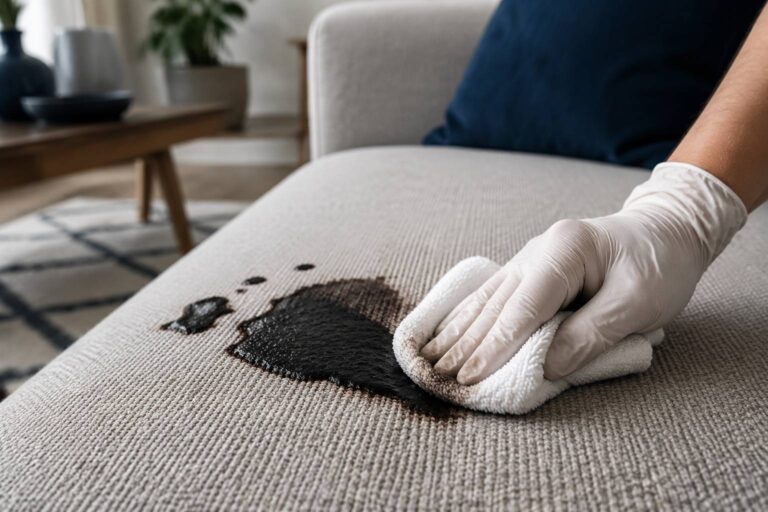
The more soiled a carpet is, the longer it tends to take to dry. Heavier soiling means more water and cleaning product are needed to lift it, so more moisture is introduced during cleaning and more must then evaporate. A lightly used bedroom carpet will usually dry faster than a heavily trafficked hallway treated for ingrained dirt. In certain conditions, drying can take up to 24 hours, which is why our team assesses soiling levels before quoting and advises on realistic drying times for your specific carpets.
Why our trained London cleaning team makes the difference
Hi Carpet Cleaner takes an assessment-first approach, inspecting each carpet’s fibre and condition before recommending a method. We are covered by AXA insurance up to £10m, and our team is DBS-checked, which matters when professionals are working inside your home. Our methods are suited to London’s housing stock, from period conversions to modern flats with underfloor heating. This combination of careful assessment, insurance cover and trained local staff is what helps us deliver consistent results across every season.
Before the appointment, follow our checklist on how to prepare your home for carpet cleaning.
Book your carpet clean: free quote, no pressure
Whatever the season, Hi Carpet Cleaner can help your London home feel fresher. Call us or message us on WhatsApp for a free, no-obligation quote and a friendly assessment of what your carpets need.

You can also plan access to the room by checking how long professional carpet cleaning takes.
Frequently asked questions
Does winter carpet cleaning take much longer to dry?
It can take a little longer for the carpet to feel fully dry, mainly because London’s winter air is damper. The difference is usually modest once the home is heated, and in certain conditions drying can take up to 24 hours in any season.
Can carpets be cleaned in cold weather?
Yes. Cold weather doesn’t stop a thorough clean — extraction does the heavy lifting, and London homes are heated through winter, which supports evaporation. The clean itself is unaffected by the temperature outside.
Does underfloor heating help carpets dry faster?
It can help, yes. Running underfloor heating for a couple of hours encourages residual moisture to evaporate more evenly, which is why it’s such a useful feature in modern and renovated London homes. The exact effect depends on the room and the carpet.
Is it cheaper to clean carpets in winter?
Often, yes. Because summer is the busiest season for London cleaners, winter’s lower demand can mean more competitive pricing and a wider choice of appointment times.