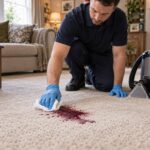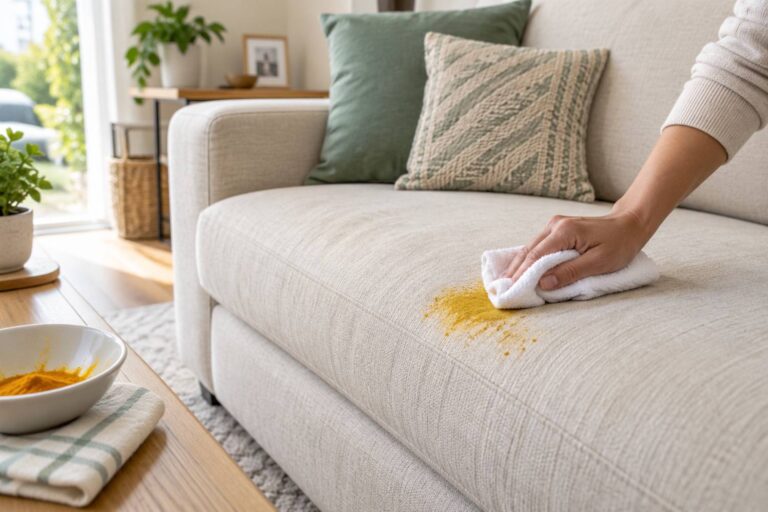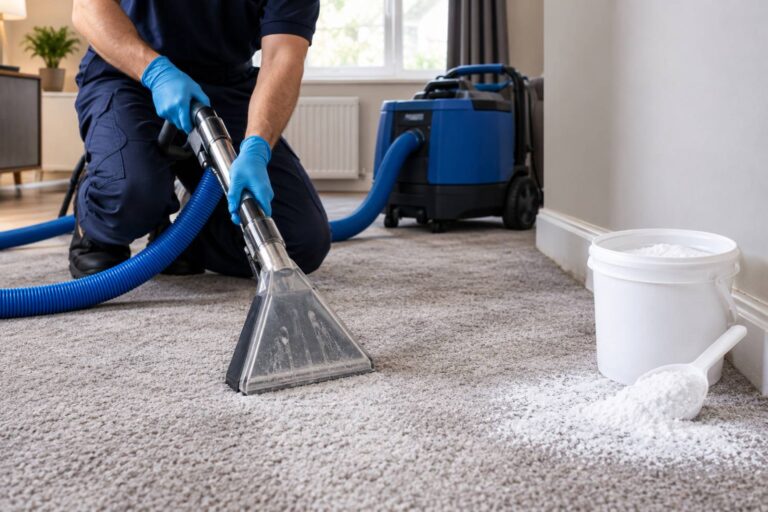
A damp carpet smell should normally fade as the carpet dries, often within 24–48 hours. Wool carpets may briefly smell stronger when wet, while thick pile, poor ventilation or soaked underlay can make the odour last longer. If the smell remains after the carpet feels dry, worsens or returns in humid weather, moisture or contamination may be trapped below the surface.
A shampooed carpet that suddenly smells musty does not necessarily mean it is dirty. In many cases, the problem is slow drying or excess water left in the carpet, backing or underlay.
However, repeatedly adding cleaning products can make the situation worse. The first priority is to remove moisture, improve airflow and identify where the smell is coming from.
Before arranging a visit, review current carpet cleaning prices in London and the factors that can affect the final quote.
How Long Does a Damp Carpet Smell Last?
A mild damp smell should reduce as the carpet dries. For many carpets, this happens within 24 hours, although thick-pile and wool carpets may take up to 48 hours depending on room temperature, humidity, ventilation and how much water was used.
Situation | Expected timeframe | Recommended action |
Lightly damp synthetic carpet | Often within 24 hours | Improve airflow and allow the carpet to dry completely |
Thick-pile or wool carpet | Around 24–48 hours | Use fans and a dehumidifier where necessary |
Over-wet carpet after shampooing | May take longer than 48 hours | Remove more moisture and check the backing |
Large water spill | Depends on whether the underlay was reached | Extract water promptly and inspect beneath the carpet |
Carpet smells after it feels dry | Not normally part of the drying process | Investigate residue, old spills, damp underlay or a hidden leak |
The smell should become weaker as the carpet dries. If it stays equally strong, becomes worse or returns whenever the weather is humid, the visible fibres may be dry while the backing or underlay is still holding moisture.
For a fuller explanation of the drying process, read our guide to how long carpet takes to dry after cleaning.
Why Does My Carpet Smell Musty After Washing?
The most common explanation is that the carpet remained wet for too long. However, the exact cause can vary depending on the carpet material, cleaning method and condition of the layers beneath it.
The Carpet Was Over-Wet or Dried Too Slowly
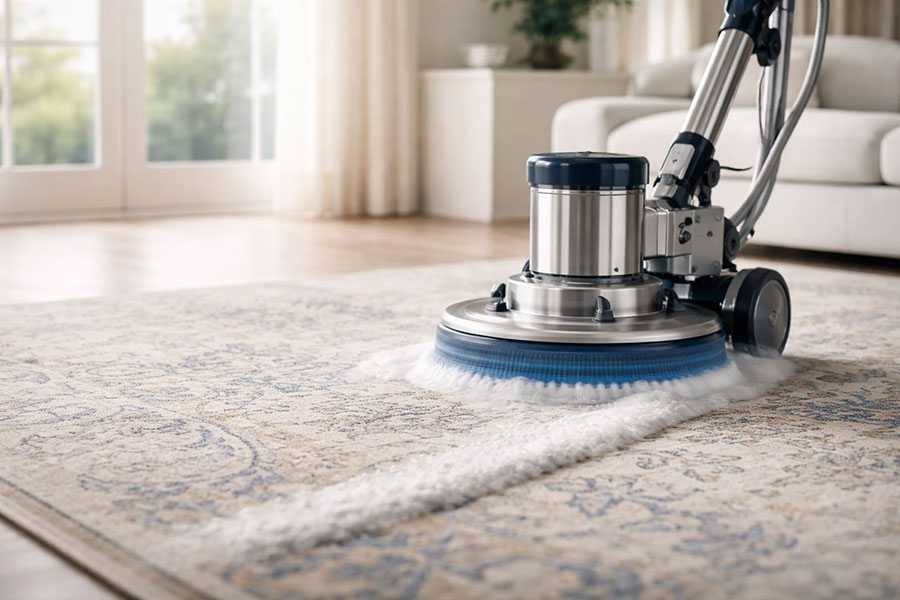
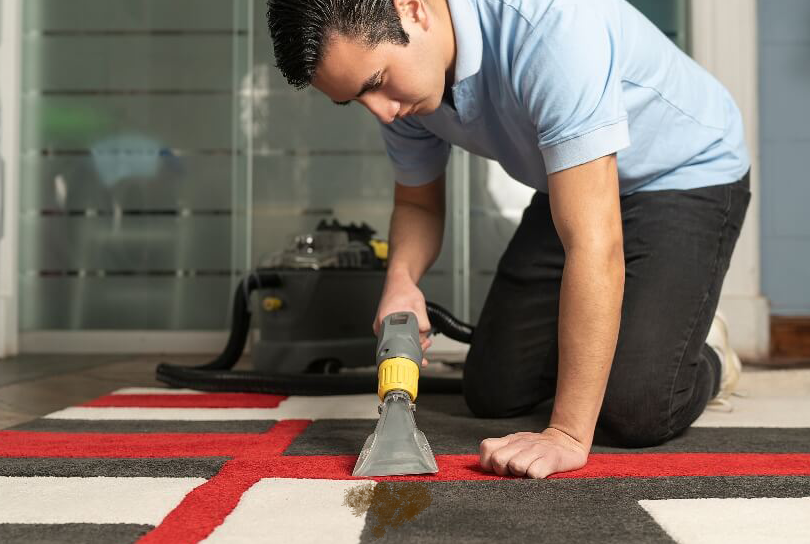
Domestic carpet cleaners and hired shampooing machines sometimes release more water than they can recover. The surface may feel only slightly damp afterwards, but considerably more moisture may remain in the backing.
Drying also slows down when:
- Windows and doors remain closed
- The room is cold
- Indoor humidity is high
- Furniture restricts airflow
- The carpet has a thick or dense pile
- Too many wet cleaning passes were made
- Too few extraction-only passes were completed
When moisture is trapped for an extended period, the carpet may develop the stale smell commonly associated with damp washing.
Cleaning Solution or Dirty Water Remains in the Carpet
A shampooed carpet may smell musty because too much detergent was used or the machine failed to recover the dirty solution effectively.
Detergent residue can leave the fibres sticky, attract new soil and hold existing odours. A machine with poor suction may also redistribute dirty water instead of extracting it properly.
If the carpet feels tacky after it has dried or becomes dirty again unusually quickly, cleaning residue may be part of the problem.
Old Spills or Pet Odours Have Been Reactivated
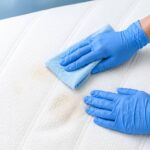
Moisture can reactivate substances that were already present beneath the visible surface. Food spills, milk, pet urine, smoke residue and previous unsuccessful treatments can all release stronger smells when they become wet again.
A standard carpet wash may improve the surface without treating contamination that has reached the backing or underlay. In that situation, the source requires targeted treatment rather than another general wash.
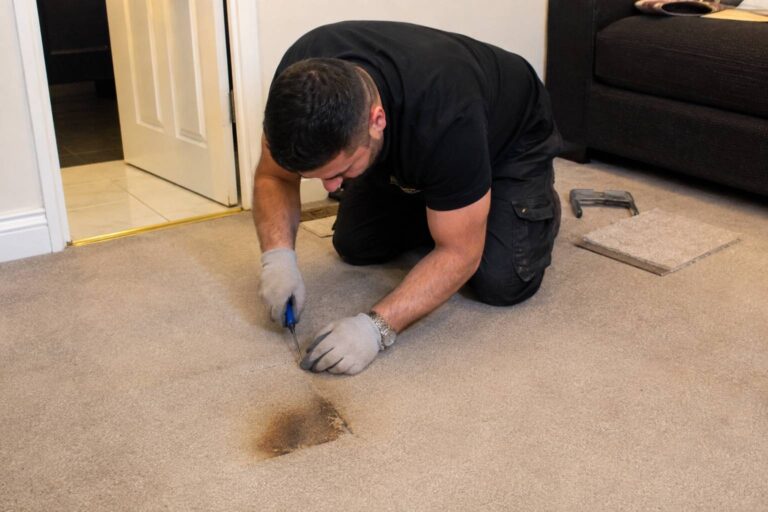
If a stain or smell returns after cleaning, our professional spot and stain removal service in London can assess the affected area and select a treatment based on the contaminant and carpet fibre.
The Underlay or Subfloor Is Damp
Sometimes the smell is not coming from the carpet pile at all. A large spill, excessive cleaning solution, a leaking radiator or previous water damage may have affected the underlay or subfloor.
The top of the carpet can dry before the material underneath it. Common signs include:
- A smell that seems to come from below the carpet
- One area remaining colder than the surrounding floor
- The odour returning after rain or during humid weather
- A smell that becomes stronger when pressure is applied
- Previous leaks or flooding in the same area
Cleaning the surface again will not solve dampness beneath the carpet. The source of the moisture must be identified first.
If water damage has weakened, stretched or discoloured the carpet, professional carpet repair in London may also be required after the area has been properly dried.
Wool Carpets Can Smell Stronger While Wet
Wool is a natural and absorbent fibre. When it becomes wet, it can temporarily release a distinctive smell that some people describe as wet wool or damp animal hair.
This odour should reduce as the carpet dries. A temporary wet-wool smell alone does not prove that mould is present. However, a strong musty smell that continues after the carpet is completely dry still needs investigation.
Wool carpets should not be treated with random household chemicals. The wrong product or excessive moisture can cause colour bleeding, texture changes, shrinkage or damage to the backing.
Slow drying is the usual culprit, so check how long does carpet take to dry to fix the root cause.

For the general approach to odours, see how to get a musty smell out of your carpet.
How to Get Rid of Damp Carpet Smell After Cleaning
The correct approach is to remove moisture first and treat any remaining source only after the carpet is dry.
1. Check How Wet the Carpet Really Is
Do not judge the carpet by touch alone. The tips of the fibres may feel dry while the lower pile or backing remains damp.
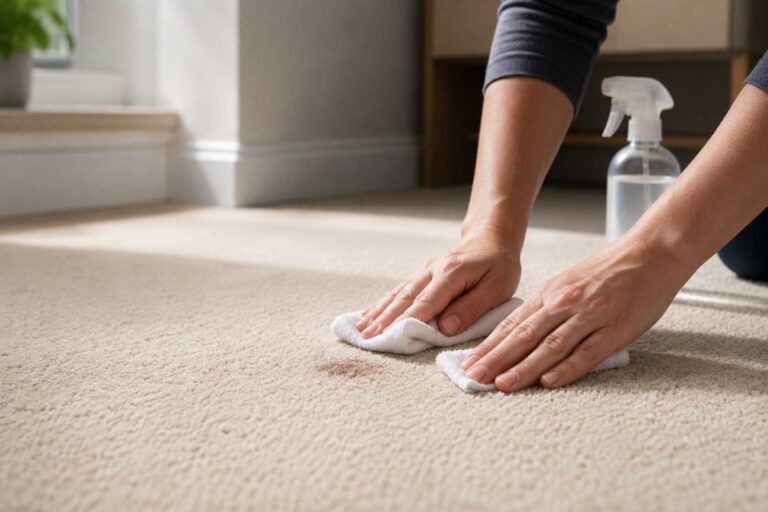
Press a clean, absorbent white towel firmly onto the affected area. If the towel picks up moisture, continue drying before applying powders, sprays or another cleaning solution.
Check several areas, especially:
- Near walls and skirting boards
- Under furniture
- In the centre of thick-pile sections
- Around the original spill
- Where the smell is strongest
2. Extract as Much Moisture as Possible
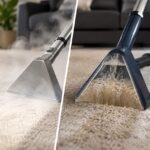
If your carpet-cleaning machine has a suction-only or dry-pass setting, follow the manufacturer’s instructions and make additional passes without releasing more solution.
Move slowly enough for the machine to recover moisture. Empty the recovery tank and check the filters, seals and suction path if very little water is being collected.
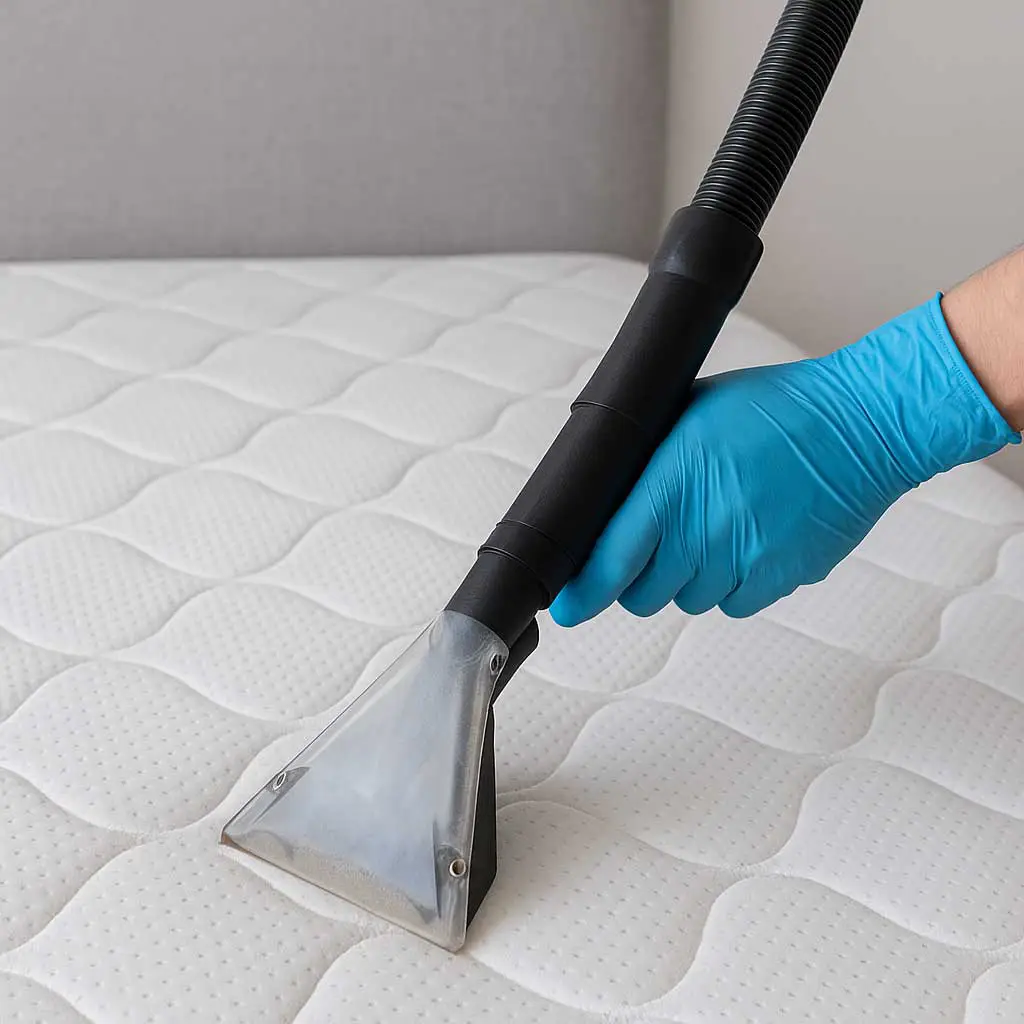
For a significant spill or heavily saturated carpet, a wet extraction machine may be required. Avoid using an ordinary household vacuum on wet carpet unless the appliance is specifically designed for liquid extraction.
3. Increase Airflow
Open windows and internal doors when the weather and security conditions allow. Position fans so that air moves across the surface of the carpet rather than concentrating on one small spot.
Where possible, create cross-ventilation by opening windows or doors on opposite sides of the room.
Keep furniture away from the damp area. Returning a sofa, table or rug too early can restrict airflow, trap moisture and transfer marks to the carpet.
4. Reduce the Humidity
A dehumidifier can help in basement rooms, poorly ventilated flats or during wet UK weather. Follow the appliance instructions, as some dehumidifiers work most efficiently with windows and doors closed.
Moderate central heating may also support drying in cold weather, but avoid aiming portable heaters, hairdryers or heat guns directly at the carpet. Concentrated heat can affect fibres, backing materials and adhesives without drying the deeper layers evenly.
5. Allow the Carpet to Dry Before Vacuuming
Once the carpet is fully dry, vacuum it thoroughly. This may remove loosened soil and dry residue left by shampooing.
Do not use a standard vacuum while the carpet is wet. Apart from potential equipment damage, vacuuming too early will not remove moisture trapped in the backing or underlay.
6. Identify the Type of Remaining Smell
If an odour remains after drying, consider what it resembles and where it is strongest:
- A soapy or chemical smell may suggest detergent residue.
- A sour smell may indicate an old food or drink spill.
- A strong ammonia-like smell may be linked to pet urine.
- A wet-wool smell may be temporary on natural-fibre carpets.
- A persistent earthy or musty smell may indicate deeper dampness.
- A smell concentrated near one wall may point to a leak or subfloor issue.
Treating the cause is more effective than covering the smell with fragrance.
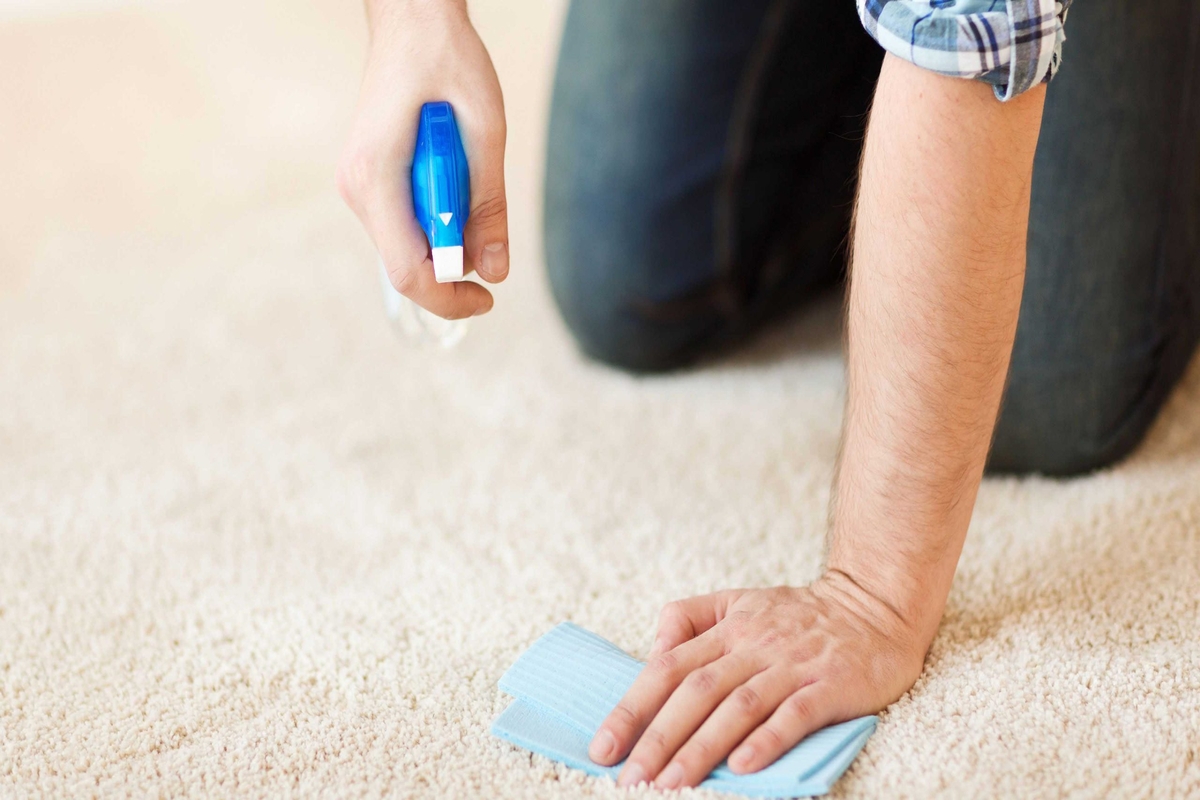
7. Use Only a Fibre-Suitable Treatment
Before applying any cleaning or odour-removal product:
- Read the carpet manufacturer’s instructions
- Check whether the product is suitable for the fibre
- Test it in a hidden area
- Check for colour transfer using a clean white cloth
- Follow the dilution and ventilation instructions
- Keep children and pets away as directed on the label
- Never mix different cleaning chemicals
If you are unsure whether the carpet is wool, synthetic or a blended fibre, avoid experimenting until it has been identified.
For a broader comparison of the limitations of home machines, see DIY carpet cleaning vs hiring a professional.
Can You Use Baking Soda on a Damp Carpet?
Baking soda is sometimes suggested for carpet odours, but it should not be spread over a wet carpet. It can absorb moisture, form clumps and become difficult to remove from dense fibres or the base of the pile.
If the carpet is completely dry and its care instructions permit the use of powder, test a small hidden area first. Vacuum the powder thoroughly afterwards using equipment suitable for the carpet.
Baking soda may reduce a mild surface odour, but it will not dry a soaked underlay, remove deep contamination or repair a leak.
Can You Use Vinegar on a Musty Carpet?
Vinegar should not be treated as a universal carpet cleaner. It adds more liquid to the carpet and may be unsuitable for certain natural fibres, dyes, backing materials or previously applied treatments.
Do not pour or spray vinegar onto a carpet that is still damp. If the carpet manufacturer permits a vinegar-based treatment, wait until the carpet is dry, use the correct dilution and test an inconspicuous section first.
Persistent odour should be diagnosed before adding any further liquid.
Where dampness or visible growth is involved, first check whether a mould-affected carpet can be cleaned or should be replaced.
What Should You Do If Water Spilled on the Carpet and Now Smells?
For a small clean-water spill, blot the area immediately with clean white towels and create airflow until both the fibres and backing are dry.
If a large amount of water was spilled, extraction is more effective than surface blotting alone. The underlay may need to be inspected, particularly if the water remained for several hours.
Arrange professional help promptly if:
- The water came from a toilet, drain or contaminated source
- The carpet is still noticeably wet after a full day
- The spill covered a large area
- Water reached the underlay or subfloor
- The smell becomes stronger after the surface dries
- The water came from an unresolved leak
Do not repeatedly shampoo the area. Additional water can spread contamination and extend the drying time.
Rugs can smell after washing too, here’s how to get smells out of a rug.
Does a Musty Carpet Smell Mean Mould?
Not necessarily. Slow drying, wet wool, detergent residue and reactivated spills can all produce unpleasant smells without visible mould.
However, persistent or worsening mustiness should not be ignored. The possibility of deeper moisture is more concerning when:
- The carpet stays damp for longer than expected
- The smell returns after apparently disappearing
- Dark, green or pale patches appear
- The skirting board or nearby wall is damp
- The underlay feels wet
- The room has a history of leaks or flooding
- Occupants experience symptoms that become worse in the room
Do not disturb or aggressively brush suspected mould growth. First identify and stop the moisture source, then obtain appropriate professional advice. Our guide explains in more detail whether professional carpet cleaning can remove mould or the carpet should be replaced.
When Should You Call a Professional Carpet Cleaner?
Consider arranging an inspection if the smell remains after the carpet has fully dried, returns repeatedly or appears to originate below the surface.
Professional assessment is particularly useful when:
- A hired machine over-wet the carpet
- The backing or underlay may be damp
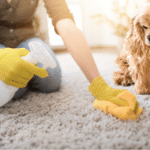
- Pet urine or another contaminant has penetrated below the pile
- Cleaning residue remains in the fibres
- The carpet is wool or another sensitive material
- The affected area is large
- A previous DIY treatment changed the colour or texture
- The source of the smell is uncertain
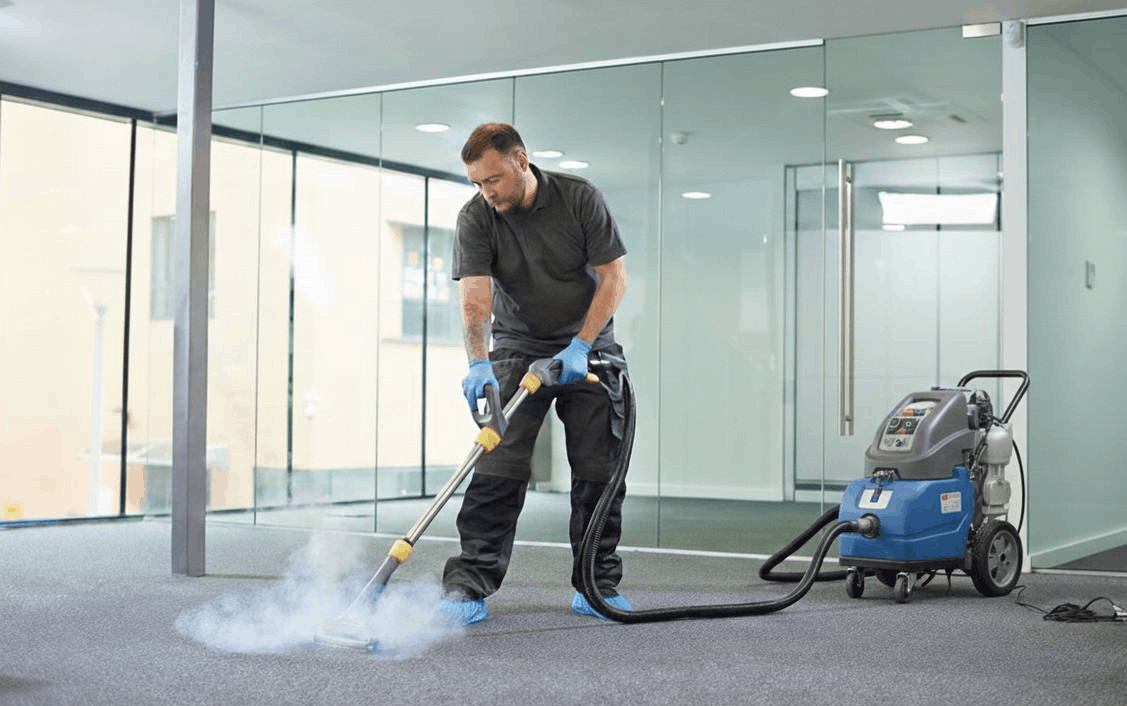
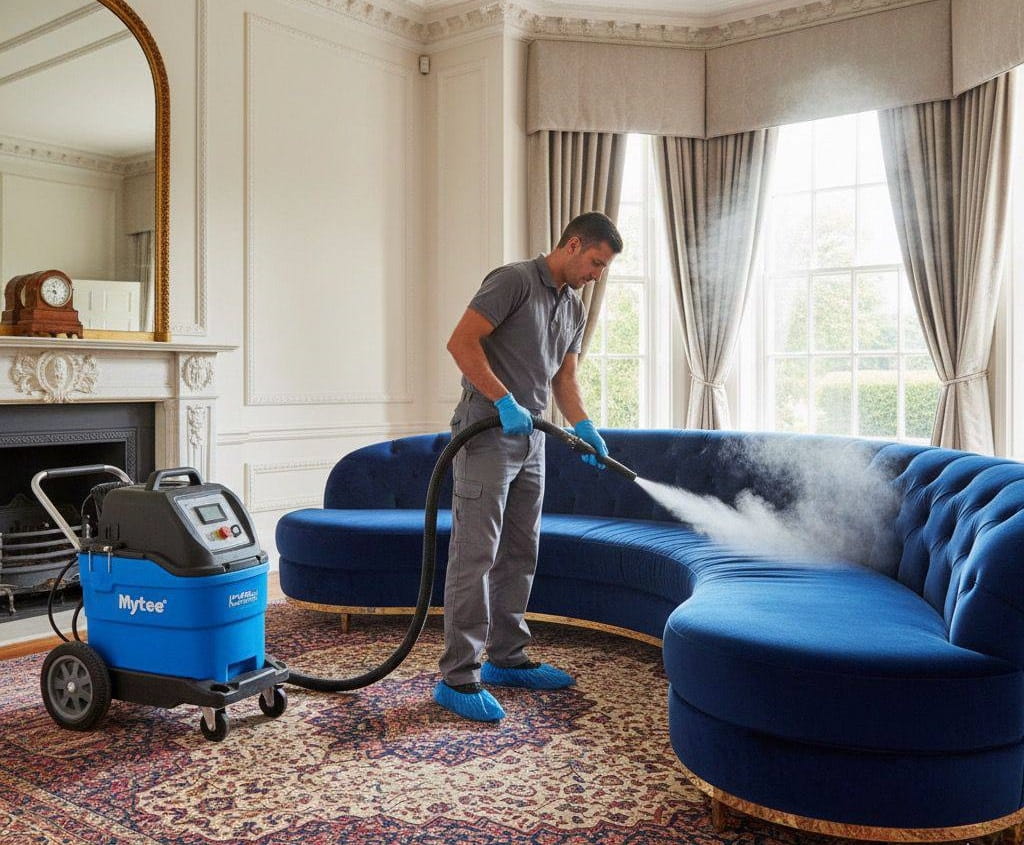
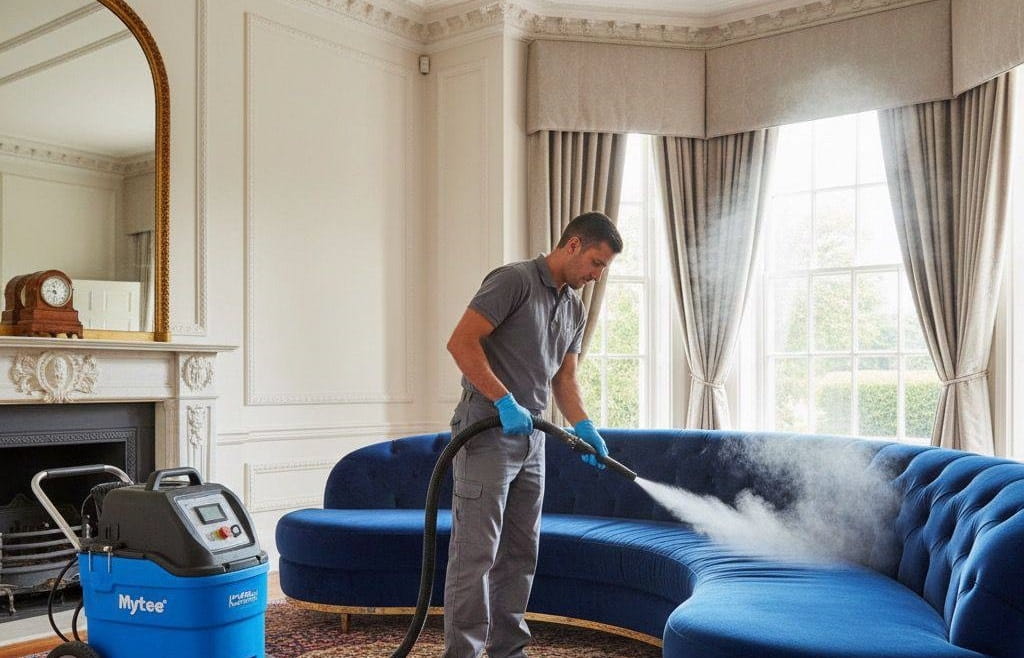
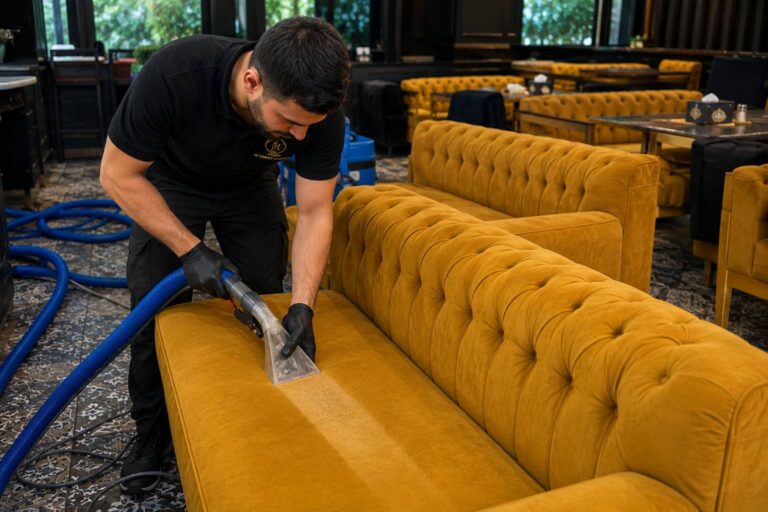
Hi Carpet Cleaner provides professional carpet cleaning services in London using methods selected according to the carpet fibre, condition and cause of the odour. Where appropriate, professional extraction can remove residual moisture and cleaning solution more effectively than repeated household treatments.
For an initial assessment, send photographs of the carpet and details of the spill or previous cleaning method through WhatsApp.

How to Prevent a Musty Smell After Carpet Cleaning
Prevention mainly depends on controlling the amount of water used and helping the carpet dry evenly.
- Vacuum thoroughly before wet cleaning.
- Follow the cleaning-machine and detergent instructions.
- Do not add extra solution in the hope of improving the result.
- Avoid making repeated wet passes over the same area.
- Finish with extraction-only passes where the machine permits.
- Clean carpets when the room can be ventilated.
- Use fans or a dehumidifier in humid conditions.
- Keep furniture and rugs off the carpet until it is fully dry.
- Deal with leaks and spills promptly.
- Arrange fibre-specific cleaning for wool and delicate carpets.
If you want to avoid the over-wetting risks associated with domestic machines, consider a professional service that includes controlled solution application, powerful extraction and assisted drying.
Frequently Asked Questions
How long does a damp carpet smell last for?
A mild damp smell should normally fade as the carpet dries, often within 24–48 hours. Thick-pile carpets, wool fibres, high humidity and wet underlay can extend the drying period. A smell that remains after the carpet is dry or becomes stronger needs investigation.
How long does wet carpet smell last after a water spill?
The smell from a small clean-water spill should improve as the area dries. If a large spill reached the backing or underlay, the odour may remain until the deeper layers are extracted and dried.
Why does my shampooed carpet now smell musty?
The carpet may have been over-wet, dried too slowly or retained detergent and dirty water. Washing can also reactivate old spills or pet contamination beneath the visible surface.
How do you get a water smell out of carpet?
First remove as much moisture as possible, then increase airflow and reduce room humidity. If the smell remains after drying, check the underlay, cleaning residue, previous spills and possible leaks rather than adding another wet treatment.
What draws moisture out of carpet?
Professional extraction equipment removes liquid from the carpet, while fans improve evaporation and dehumidifiers reduce moisture in the air. For a large spill, all three may be needed.
Does a musty smell automatically mean mould?
No. Wet wool, trapped moisture, detergent residue and reactivated dirt can also cause a musty smell. Persistent, worsening or recurring odour may indicate a deeper damp problem and should be assessed.
Can I put baking soda on a wet carpet?
It is better not to apply baking soda while the carpet is wet because it can clump and become difficult to remove. Allow the carpet to dry first and check the manufacturer’s care instructions before using any powder.
Should I shampoo the carpet again if it smells?
Not immediately. Shampooing again adds more moisture and may worsen slow drying. Dry the carpet completely and identify whether the smell comes from residue, contamination, the backing or the underlay before deciding on another treatment.
Can the underlay be saved after it gets wet?
It depends on how wet it became, how long it remained damp and whether the water was clean or contaminated. Prompt extraction may save some underlays, but heavily saturated, damaged or contaminated material may require replacement.