Carpet stains are one of the most common household frustrations, and many of them are far more stubborn than they appear. Spills from coffee, wine, ink, makeup, or food can quickly seep deep into carpet fibres, leaving marks that ordinary DIY methods struggle to remove. Even when home products seem to work, they often only fade the stain temporarily or push it deeper into the pile, making it even harder to treat later.
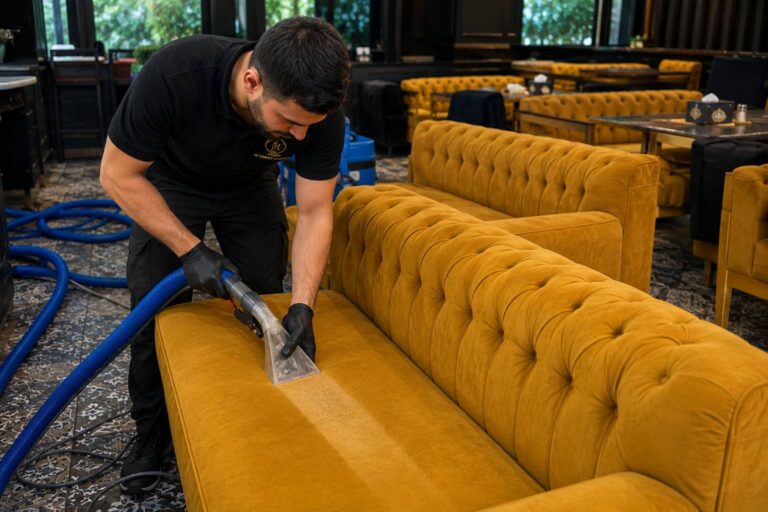
This is where professional carpet cleaning for stains becomes essential. Using specialised techniques, advanced equipment, and fibre-safe stain removal solutions, professionals can effectively lift tough stains without damaging the carpet. Beyond restoring appearance, expert cleaning also protects carpet fibres, improves hygiene, and helps extend the life of your flooring.
For the toughest marks that need focused attention, our targeted stain removal London service goes beyond standard cleaning.
Why Professional Stain Removal Is Important?
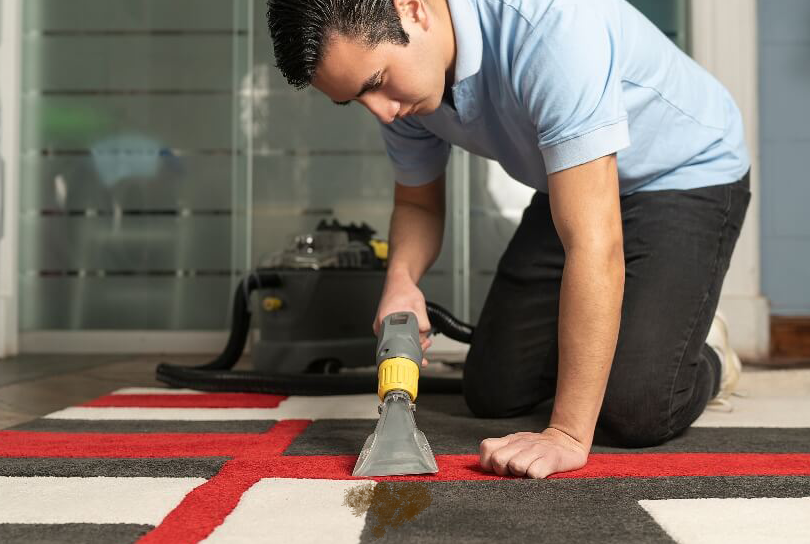
When it comes to professional carpet cleaning stains, many homeowners wonder why they shouldn’t simply rely on DIY products or home remedies. While quick spot and stain removal can sometimes help, certain types of carpet stains are far more stubborn and deeply embedded than they appear on the surface. Professional carpet cleaners use advanced methods, controlled temperatures, specialist detergents, and commercial-grade extraction systems that can remove stains fully without harming delicate carpet fibres.
DIY attempts, especially repeated scrubbing or using the wrong chemica, can actually push the stain deeper into the pile, cause fading, or even damage the backing of the carpet. In contrast, professional carpet stain removal targets both the visible mark and the underlying residue, ensuring the carpet remains clean, fresh, and healthier for longer. This approach also helps prevent permanent discolouration, unpleasant odours, and long-term fibre deterioration. Ultimately, professional treatment protects your investment and maintains the appearance and longevity of your carpets far more effectively than household cleaners.
Why DIY Methods Often Fail
Many DIY cleaning solutions simply aren’t powerful enough to break down certain compounds found in stains like wine, ink, grease, or blood. Household cleaners can leave behind sticky residues that attract more dirt, making the stain appear worse over time. In some cases, using a harsh chemical can lighten the carpet in one spot, creating permanent patchiness. This is why serious carpet stain removal is best left to professionals who understand fibre types, stain chemistry, and safe cleaning techniques.
The Benefits of Professional Carpet Stain Removal
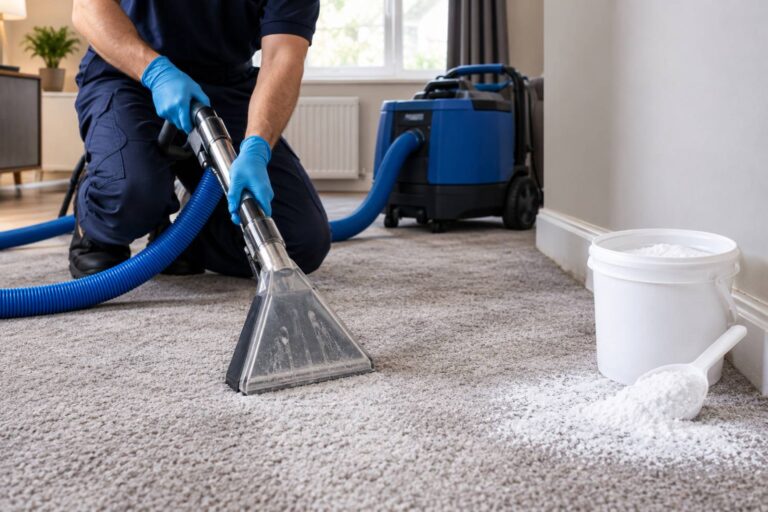
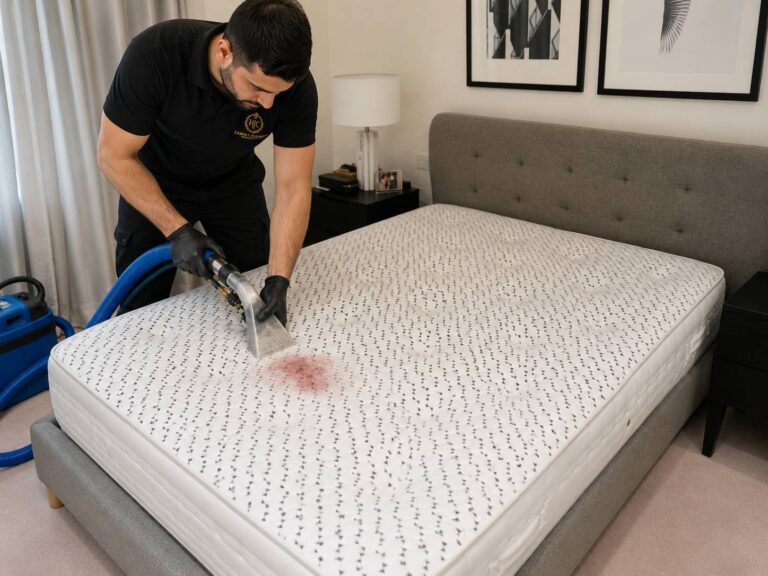
Professional cleaners use targeted solutions designed to tackle tough carpet stains without damaging the fibres. Their equipment reaches deep into the carpet pile, lifting dirt, bacteria, allergens, and stain residues that ordinary vacuums or DIY sprays cannot reach. This not only restores the carpet’s appearance but also improves indoor air quality and extends the life of the flooring. Additionally, professionals know how to treat delicate materials like wool, silk-blends, or luxury carpets that require specialised care.
Lingering odours are their own challenge, here’s how to get a musty smell out of your carpet.
Common Carpet Stains Professionals Can Remove
Stains come in many forms, and some look worse than they are, while others hide deep in the pile and need specialist treatment. Professional carpet cleaning stains services target both the visible mark and the residue beneath the fibres, using appropriate chemistry and extraction to avoid setting or spreading the stain. Below are the common types of carpet stains professionals deal with, why they’re challenging, and how experts typically approach them.
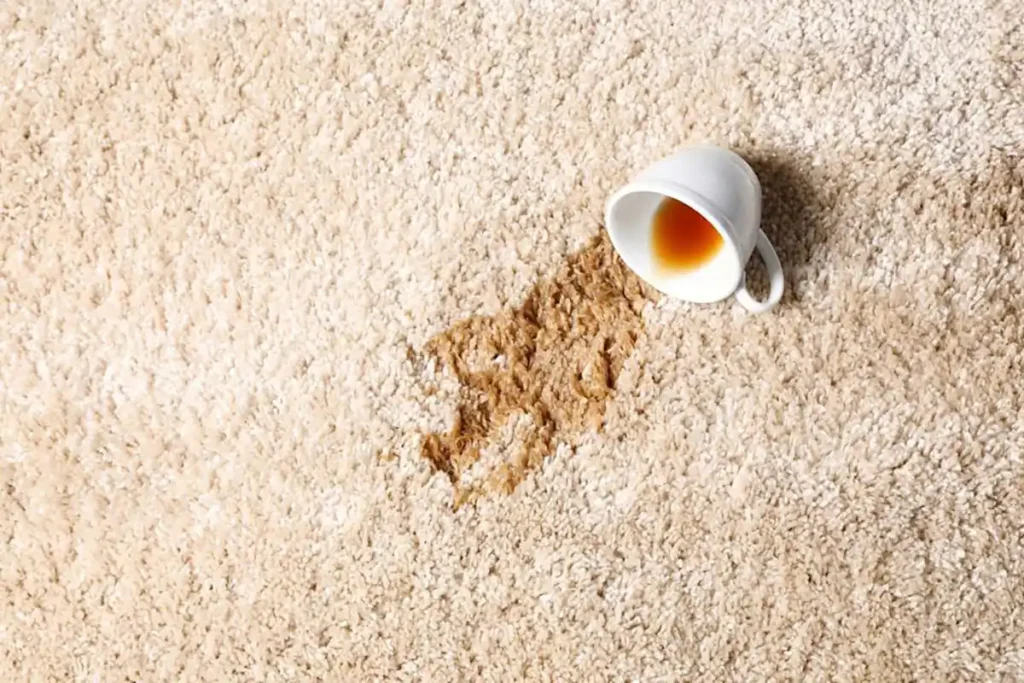
Coffee and Tea Stains
Coffee and tea are tannin-based stains that dye fibres quickly. Professionals pretreat with pH-balanced solutions to break down the tannins, then use hot-water extraction or targeted enzyme treatments to lift the residue. Quick professional intervention improves the chance of full removal.
Wine and Juice Stains
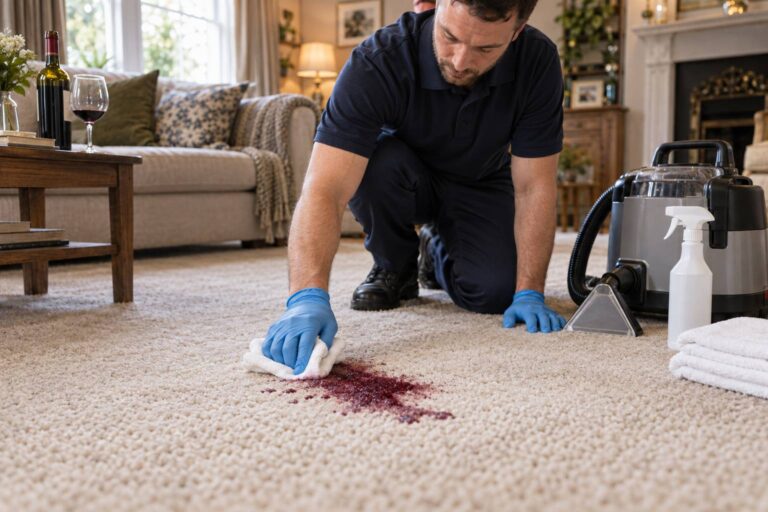
Red wine and coloured juices are notorious for rapid dye transfer. Technicians often apply oxygen-based oxidisers or specialised colour-safe bleaches in controlled amounts, followed by deep extraction. Early professional action reduces the risk of permanent dye setting.
Oil and Grease Stains
Cooking oil, butter, and greasy food leave a hydrophobic residue that repels water-based cleaners. Experts first use solvent-based or surfactant treatments to emulsify the oil, then extract the loosened material with industrial-grade equipment. DIY attempts with water can spread the stain.
Blood Stains
Blood is protein-based and can bond with fibres if heated or scrubbed incorrectly. Professionals use enzyme-based cleaners at controlled temperatures to break down the protein, followed by careful extraction. Older, set-in blood may require repeat treatments.
Ink and Marker Stains
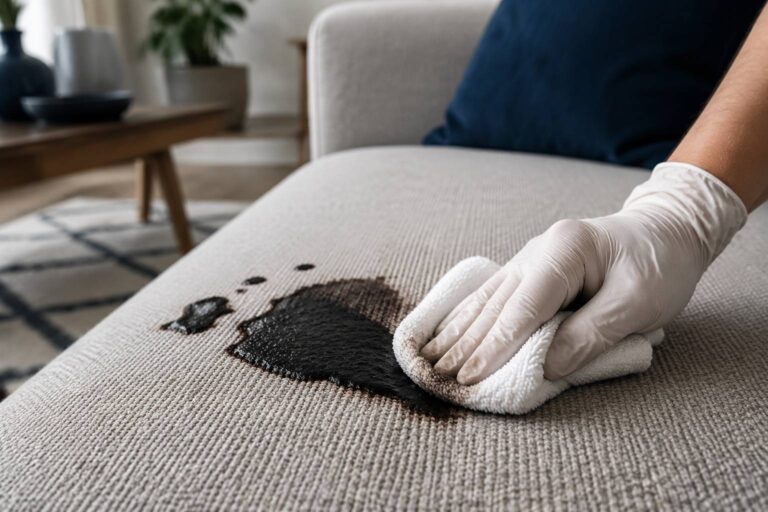
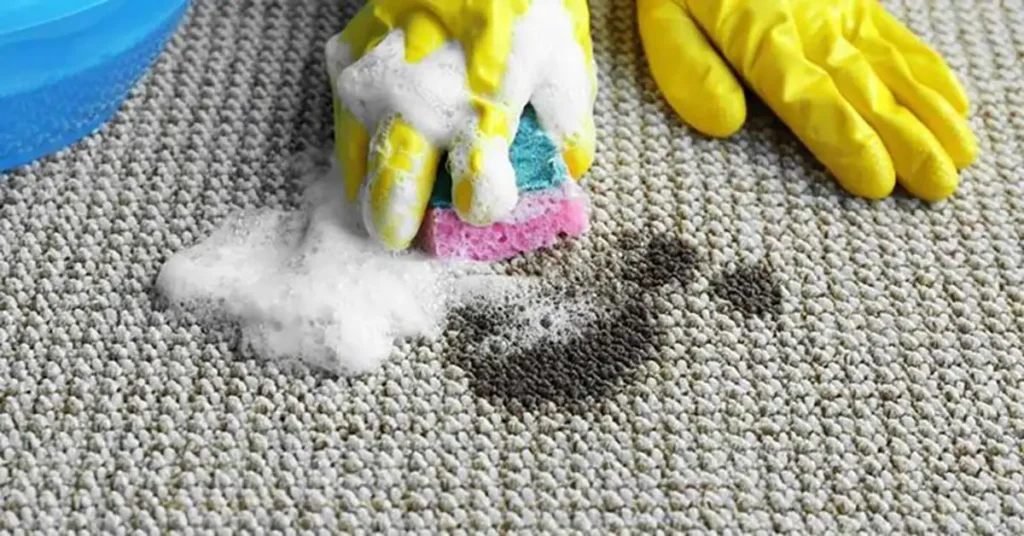
Ink and permanent marker contain pigments and solvents that penetrate deep into piles. Technicians select appropriate solvents and apply them sparingly to avoid dye migration, then follow with rinsing and extraction. Success depends on ink type and how quickly the stain is treated.
Food and Mud Stains
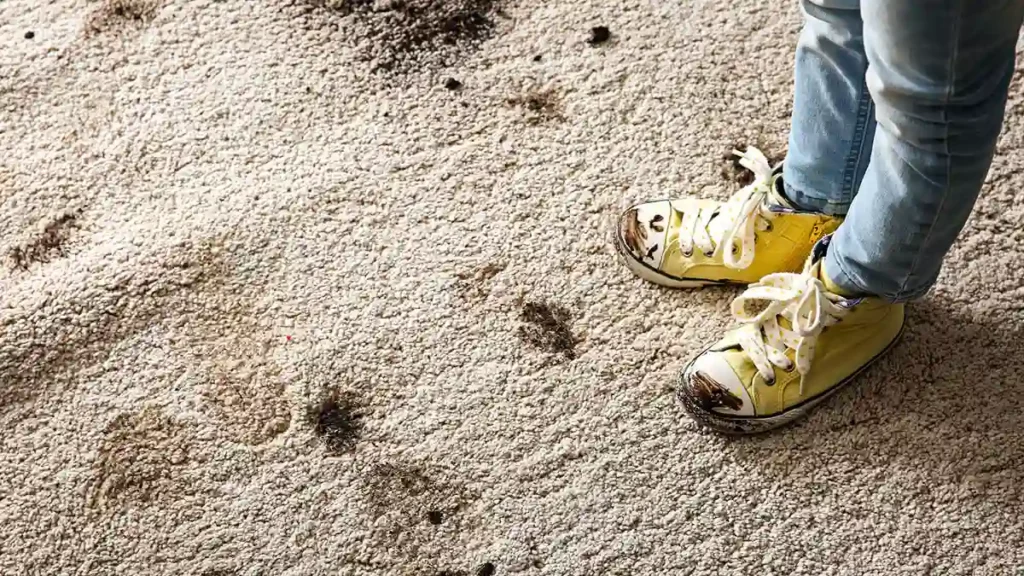
Food residues and mud are a mix of solids, oils and dyes. Pros begin by removing solids, then pretreat stains with tailored detergents and use powerful extraction to remove embedded grit and residues. Thorough agitation and rinsing prevent re-soiling.
Rugs hold smells differently, so see how to get smells out of a rug for those pieces.
Cosmetic Stains (Makeup, Nail Polish)
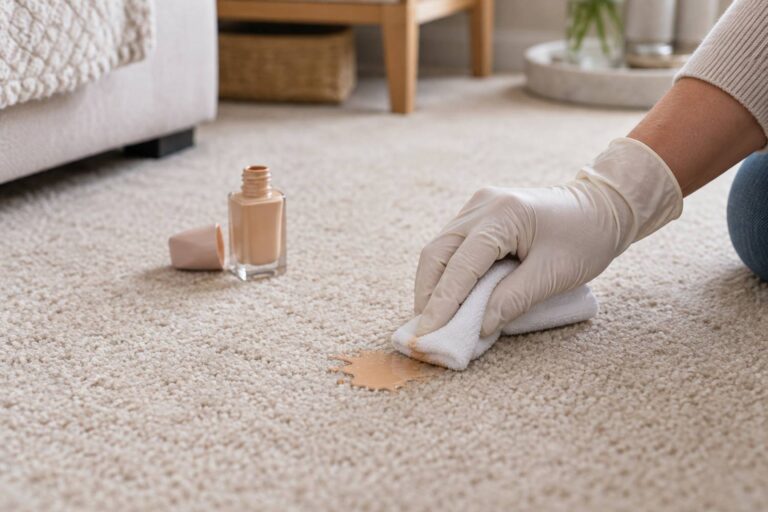
Makeup may contain oils and pigments; nail polish is a lacquer-based stain. Specialists separate the components: solvent lift for lacquer, surfactant or emulsifier for oily makeup, then gentle extraction. Some nail polish may need targeted solvent work and careful testing first.
Paint and Craft Materials
Water-based paints are usually easier to remove if treated while wet; dried paint becomes difficult. Oil-based paints and adhesives often need solvent intervention. Professionals assess the product type and use controlled chemical removal and mechanical techniques where safe for the fibre.
Glue and Adhesives
Adhesives and glues can harden and embed into the pile. Technicians soften residues with suitable solvents or heat (used cautiously), then mechanically remove softened deposits and extract remaining residues. This work demands care to avoid damaging silk or delicate fibres.
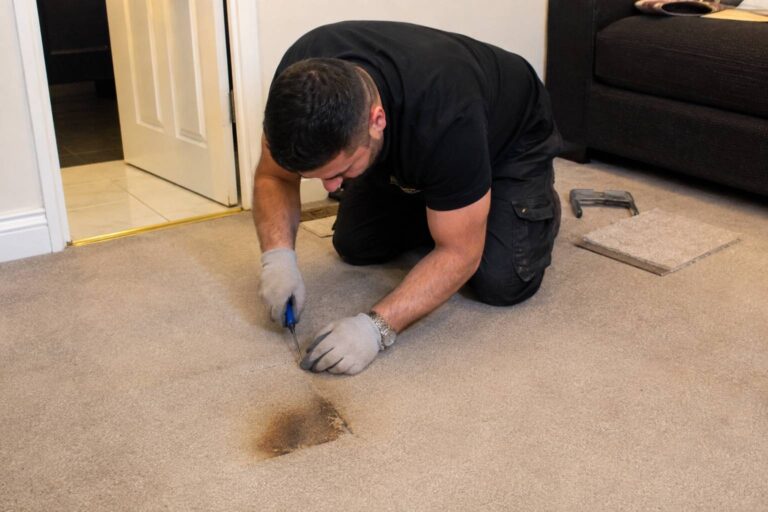
While professional cleaning can remove many types of stains, physical damage such as burns, tears, or worn areas may require specialist carpet repair in London.
Before arranging a visit, review current carpet cleaning prices in London and the factors that can affect the final quote.
Tips for Preventing Stains and Maintaining Your Carpet
Even with the best carpet stain removal techniques available, prevention is always easier than tackling set-in marks. Carpets in busy households, especially those with children or pets, are more likely to develop stains, so small habits can make a significant difference. Taking quick action, protecting high-traffic areas, and scheduling periodic professional carpet cleaning helps maintain appearance, extend the life of the fibres, and reduce the risk of permanent staining. Below are practical steps homeowners can follow to keep carpets looking fresh for longer.
Blot Spills Immediately
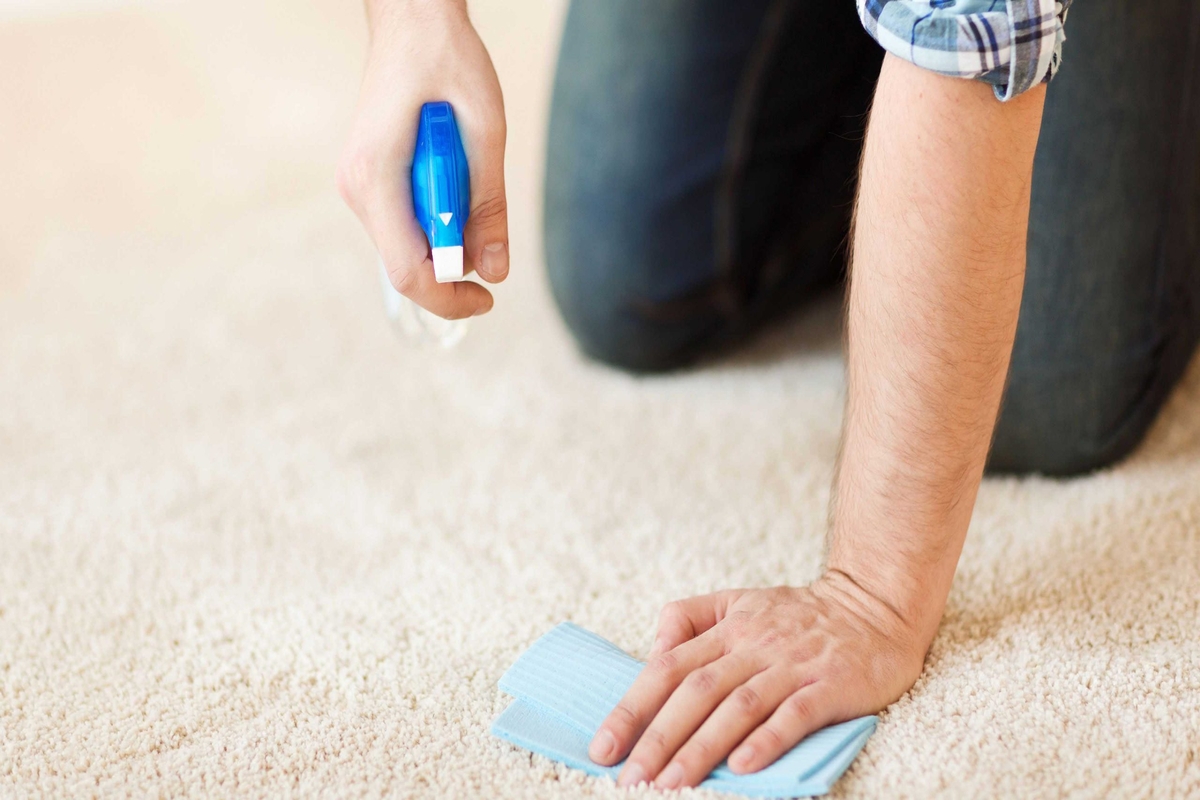
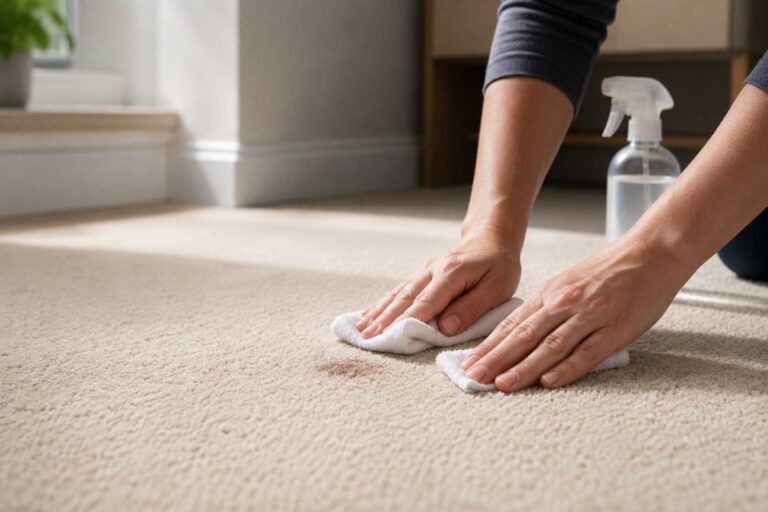
Instead of scrubbing, gently blot fresh spills with a clean cloth to stop liquids spreading deeper into the carpet pile. Rapid absorption limits staining and makes later treatment far more effective.
Use Carpet Protectors and Rugs
Placing mats or area rugs in high-traffic zones, such as hallways or under dining tables, helps prevent wear and reduces the frequency of stubborn carpet stains.
Avoid DIY Chemical Overuse
Using too many shop-bought cleaners can cause fibre damage, colour fading or residue build-up. If a stain is tough or unfamiliar, it’s safer to leave it untreated until a professional inspects it.
Keep Shoes Off Indoors
Outdoor shoes bring in soil, oil, and grit that can embed in the fibres and create long-term discolouration. A simple no-shoes rule helps reduce many common types of carpet stains.
Groom or Brush Carpet Fibres
Light brushing or vacuuming helps loosen dry soil before it bonds with the fibre. Regular vacuuming also prevents dullness and premature wear.
Schedule Regular Professional Cleaning
Booking periodic professional carpet cleaning ensures deep removal of accumulated dirt, bacteria and hidden stains. It also helps protect fibres and revive the carpet’s overall appearance.
Use Pet-Safe Stain Prevention Products
If you have pets, consider pet-friendly odour neutralisers and protective sprays to prevent urine or vomit from seeping deep into the padding.
Some stains respond better to one method, compare dry carpet cleaning vs steam cleaning.
When to Call a Professional for Stubborn Carpet Stains
Even with the best DIY stain removal attempts, some marks are simply too challenging to tackle without expert knowledge and equipment. Persistent stains can set deep into the fibres, become discoloured, or even damage delicate carpets if treated incorrectly. Recognising when to call a professional is crucial to prevent permanent issues and maintain your carpet’s longevity.
Signs You Need Expert Help
- Set-in or old stains: Marks that have been in the carpet for months or years often require specialised solvents and techniques that only professional cleaners can provide.
- Delicate or luxury carpets: Silk, wool, or handwoven rugs can be irreversibly damaged by home cleaning methods. Professional carpet stain removal ensures fibres are protected.
- Unsuccessful DIY attempts: If home treatments have failed or worsened the stain, delaying professional intervention can reduce the chance of full removal.
- Strong odours or pet stains: Persistent smells may indicate deep absorption, requiring enzymatic or odour-neutralising treatments professionals are trained to apply.
Benefits of Hiring a Professional
Professional cleaners bring advanced tools, low-moisture techniques, and fibre-safe solutions that maximise stain removal without over-wetting or harming the carpet. Hiring experts reduces the risk of colour fading, fibre shrinkage, and residue build-up, while also saving time and effort for busy homeowners. For a detailed comparison between DIY and professional carpet cleaning, you can read DIY Carpet Cleaning vs Hiring a Pro in London.

Frequently Asked Questions
1. Does professional carpet cleaning get stains out?
Yes — our professional carpet cleaning stains service uses specialised solutions and equipment designed to remove even tough, set-in marks while protecting fibres.
2. Can all carpet stains be removed professionally?
Some stains respond very well to professional treatment, but certain older or chemical-based marks may not be fully removable.
3. What type of stains cannot be removed from carpet?
Lorem ipsum dolor sit amet, consectetur adipiscing elit. Ut elit tellus, luctus nec ullamcorper mattis, pulvinar dapibus leo.
4. Do pet stains and urine require special treatment?
Yes — our team uses enzymatic and odour-neutralising treatments that are safe for carpets, pets, and children, ensuring complete removal where possible.
5. Can professional cleaning remove old or set-in stains?
Yes, but the success depends on the type, age, and condition of the carpet. Early intervention usually gives the best results.
6. Are carpet cleaning products safe for children and pets?
Absolutely — we only use certified, fibre-safe, non-toxic products suitable for homes with pets and children.
7. Can wine, coffee, or tea stains be fully removed from carpets?
Most fresh and recent spills can be removed effectively. Older stains may require repeated treatments, and we always assess before cleaning.
8. How long does it take to remove stubborn stains professionally?
Lorem ipsum dolor sit amet, consectetur adipiscing elit. Ut elit tellus, luctus nec ullamcorper mattis, pulvinar dapibus leo.
9. Should I treat the stain myself before the professional cleaner arrives?
Lorem ipsum dolor sit amet, consectetur adipiscing elit. Ut elit tellus, luctus nec ullamcorper mattis, pulvinar dapibus leo.