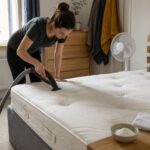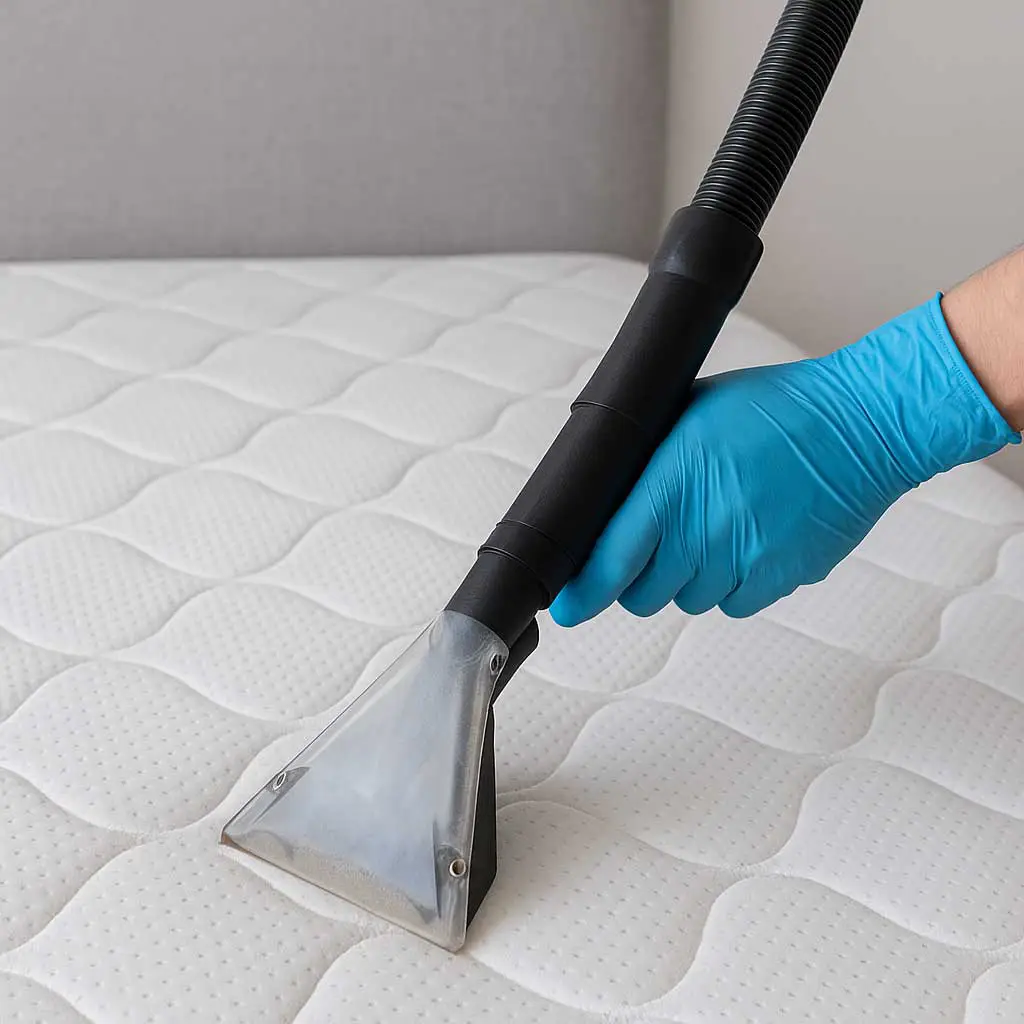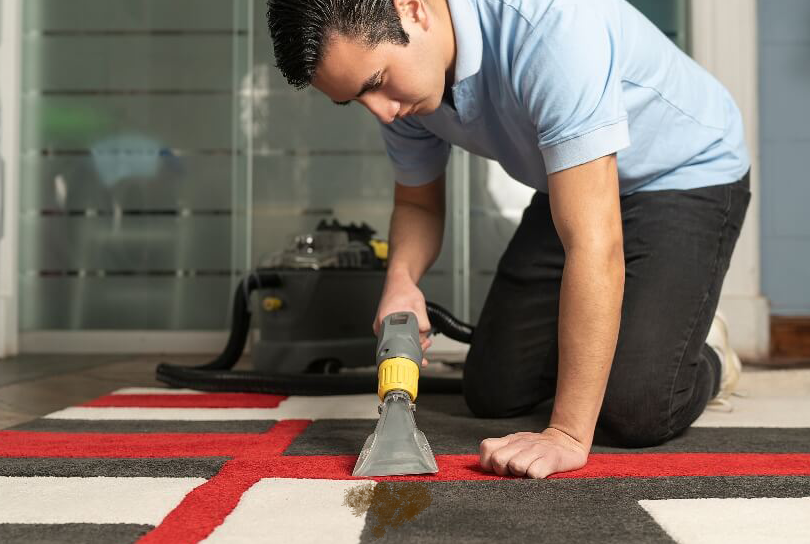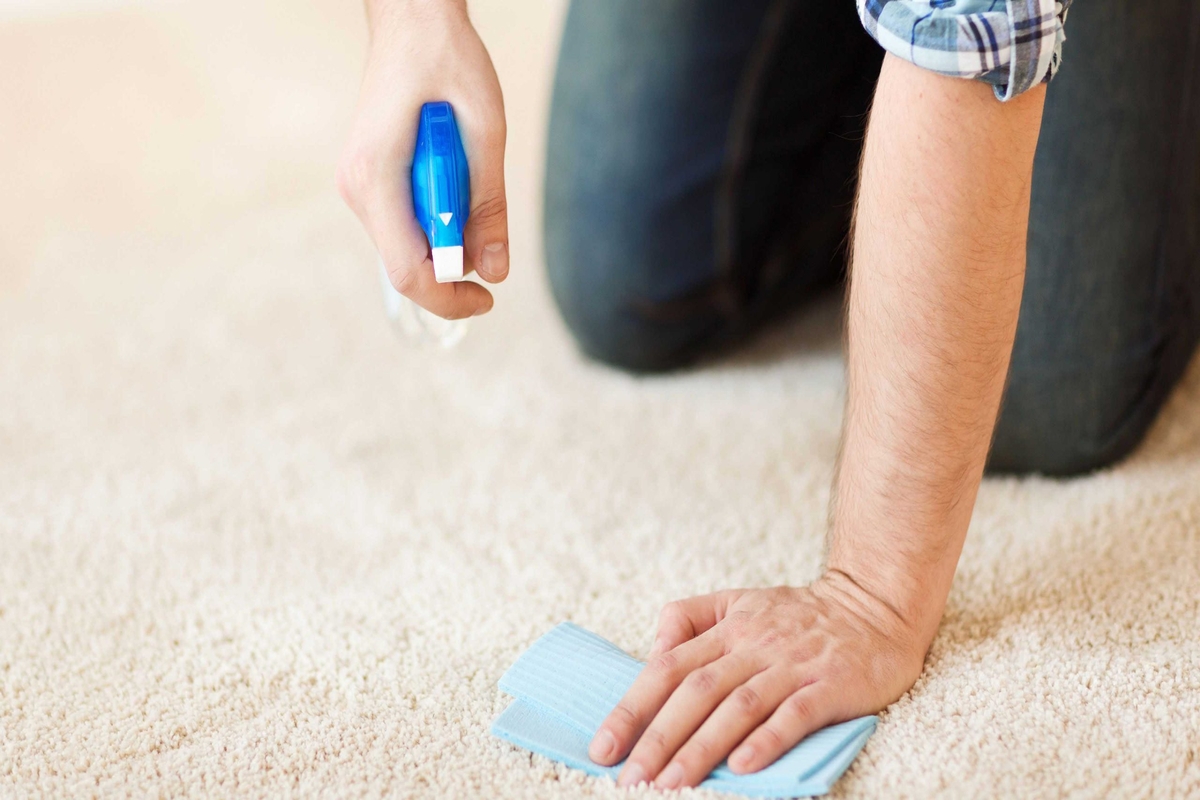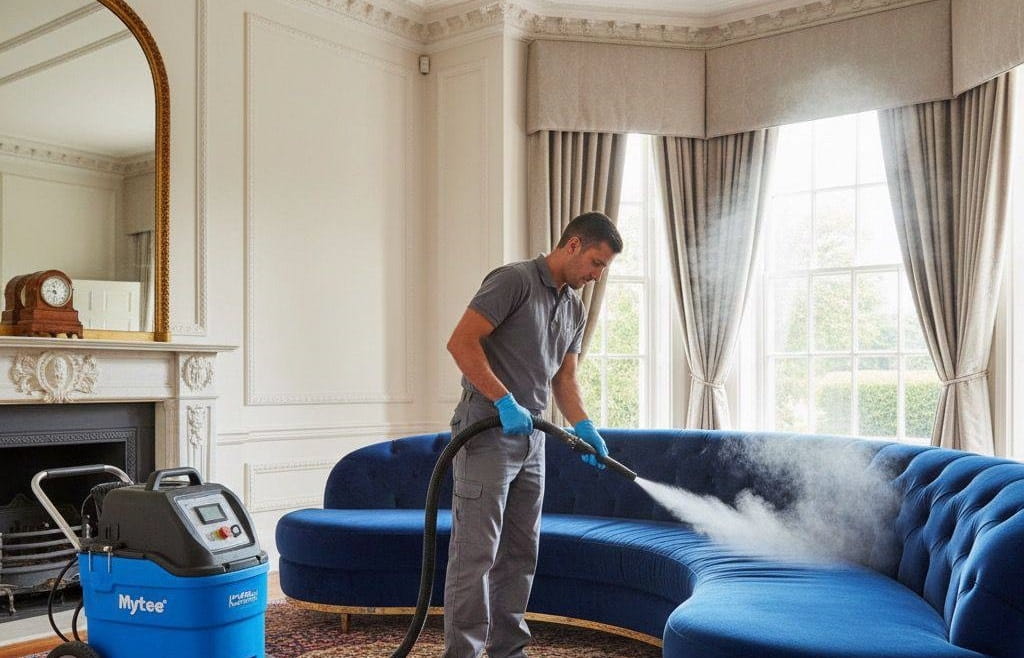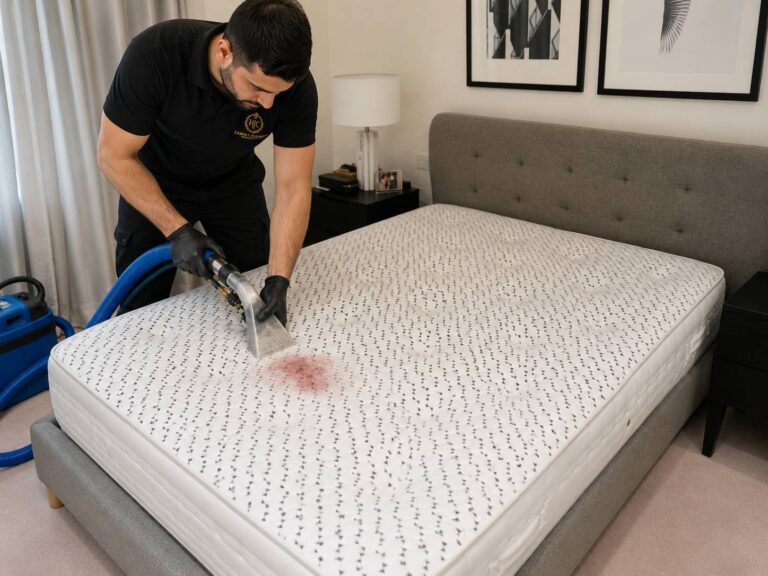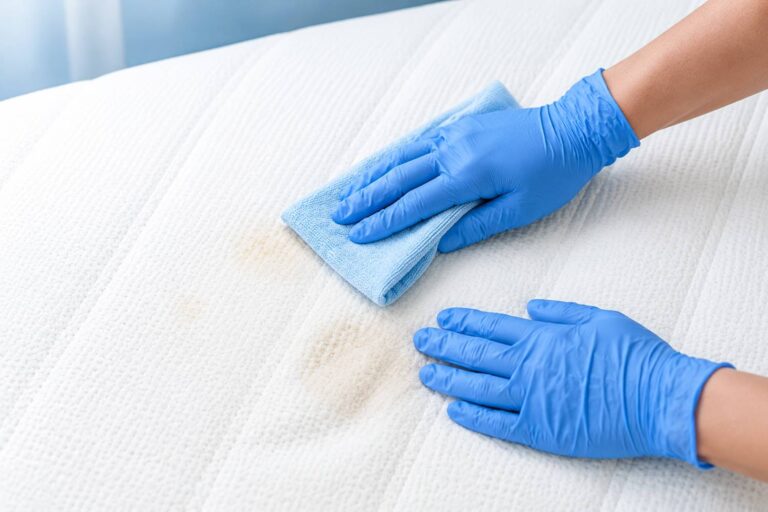
A professionally cleaned mattress usually takes around 6–12 hours to dry. Dense memory foam, two-sided cleaning, limited ventilation or humid conditions may extend the drying time to 12–24 hours.
A mattress that has been heavily soaked by a spill, bedwetting or excessive water is different from a professionally cleaned mattress and may take 24–48 hours or longer. Do not replace the bedding or sleep on the mattress until it is completely dry.
Drying times are estimates rather than guarantees. The cleaning method, amount of moisture applied, mattress construction and conditions inside the room all affect when the mattress will be ready to use.
Before booking, it helps to understand the mattress cleaning cost in London and what’s included.
Mattress Drying Times at a Glance
The following table provides a more useful estimate based on how the mattress was cleaned and how much moisture it contains.
Situation | Approximate drying time | Important considerations |
Light spot cleaning | A few hours | Only a small surface area has been treated |
Professional one-sided cleaning | 6–12 hours | Assumes controlled moisture and good airflow |
Professional two-sided cleaning | 12–24 hours | Both faces need sufficient exposure to moving air |
Dense memory foam or thick pillow top | 12–24 hours | Internal layers may release moisture more slowly |
Poor ventilation or high indoor humidity | Up to 24 hours | Fans or a dehumidifier may be needed |
Heavily soaked mattress | 24–48 hours or longer | May require professional assessment |
If your mattress is being professionally cleaned, it is usually best to schedule the appointment early enough to allow the entire day for drying. If the room is cold, humid or poorly ventilated, plan to use the mattress the following night rather than assuming it will be ready the same evening.
Why Does Mattress Drying Time Matter?
A mattress has several layers that can retain moisture even when the outer fabric appears dry. Depending on its construction, these layers may include foam, natural fibres, padding, adhesives, springs and a quilted cover.
If bedding is replaced too early, it restricts airflow and traps residual moisture. Sleeping on the mattress has a similar effect because body weight compresses the materials and reduces air circulation.
Prolonged dampness may contribute to musty odours, material deterioration or mould growth. It may also allow a stain or odour to reappear if contamination remains below the surface.
Drying should therefore be treated as part of the cleaning process rather than an optional final step. A mattress is not ready to use simply because the visible surface looks clean.
For deep contamination, persistent odour or a mattress that cannot be safely treated at home, professional mattress cleaning in London may be the more suitable option.
What Affects How Long a Mattress Takes to Dry?
The total drying time depends on several connected factors. Mattress size can influence the area treated, but material, construction and the amount of applied moisture are generally more important.
Cleaning Method and Moisture Level
Light spot cleaning normally dries faster because only a limited area is treated. Cleaning an entire sleeping surface requires more time, while cleaning both sides naturally increases the area from which moisture must evaporate.
Professional cleaners should control the amount of moisture according to the mattress material and use suitable extraction when appropriate. Domestic carpet or upholstery machines may introduce more liquid than they can recover, particularly when the operator repeatedly passes over the same area.
If you are considering cleaning the mattress yourself, our guide to deep cleaning a mattress at home without damaging it explains why minimal moisture is important.
Mattress Material and Internal Construction
Memory foam is dense and can hold moisture inside its cellular structure if it becomes oversaturated. Thick pillow tops and multi-layer mattresses can also dry slowly because air does not move freely through the deeper materials.
Traditional sprung and some hybrid mattresses may allow more internal airflow, but their surface padding can still retain moisture. Natural fillings such as wool may also need additional drying time.
Material alone cannot provide an exact drying time. A lightly treated memory foam mattress may dry faster than a sprung mattress that has been heavily saturated.
One-Sided vs Two-Sided Cleaning
A mattress cleaned on one side normally dries faster because air only needs to reach one treated surface. Two-sided cleaning introduces moisture to both faces and may require the mattress to be repositioned safely during drying.
If both sides have been treated, allow more time and ensure that the lower surface is not pressed against a solid base while still damp.
Room Temperature
A comfortably warm room supports evaporation, particularly during colder months. However, excessive direct heat should not be used to force the process.
Hairdryers, heat guns and portable heaters aimed directly at the mattress can damage outer fabrics, foam layers or adhesives. Gentle room heating combined with steady air movement is safer and usually more effective.
Ventilation and Air Movement
Moving air carries evaporated moisture away from the mattress. In a closed room, the air immediately around the surface becomes more humid, slowing further evaporation.
Open windows when the outdoor air is reasonably dry and conditions are suitable. If opening windows introduces cold or humid air, use indoor fans or a dehumidifier instead.
Indoor Humidity
High humidity slows drying because the surrounding air already contains a significant amount of moisture. This can be an issue in London flats with limited ventilation, basement rooms and bedrooms where windows cannot remain open.
A dehumidifier can help by removing moisture from the air, allowing the mattress to continue releasing water more efficiently.
Stains and Specialist Treatments
Urine, drink spills, sweat marks and odour contamination may require more focused treatment than routine cleaning. The treated area can take longer to dry if liquid has already penetrated beneath the cover.
The cleaning product itself is not the only consideration. The original spill may have reached deeper layers before treatment began, meaning the mattress contains more moisture than was introduced during cleaning.

How Long Does a Mattress Take to Dry After Steam Cleaning?
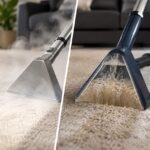
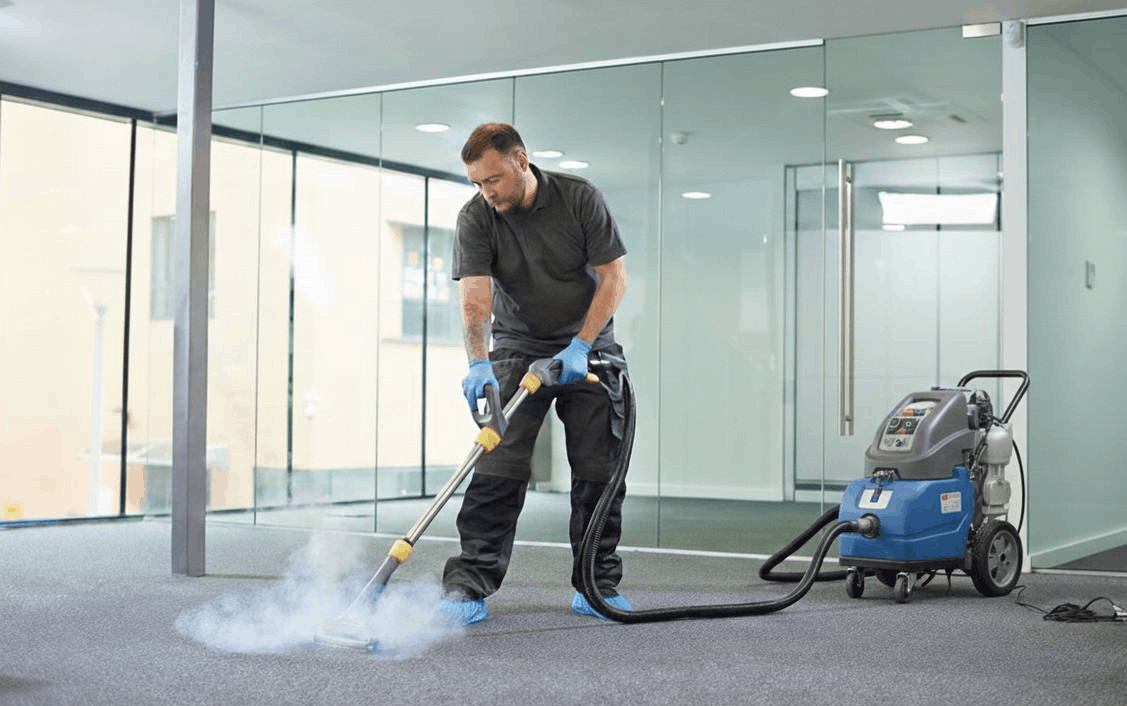
A mattress treated using a suitable steam or moisture-based process may need approximately 6–12 hours to dry, although dense materials, two-sided treatment or limited airflow can extend this to 12–24 hours. Steam and hot water extraction are different methods, but in practice they are often used interchangeably, and many carpet cleaning techniques are actually based on hot water extraction.
The term “steam cleaning” is used for different processes, so the amount of moisture left behind can vary considerably. A light surface treatment is not directly comparable to deep extraction cleaning.
Before the technician leaves, ask:
- Which cleaning method was used?
- Was one side or both sides treated?
- How much drying time is recommended?
- Can the mattress be repositioned safely?
- Are fans or a dehumidifier recommended?
- When can bedding be replaced?
The technician’s guidance should reflect the actual mattress and method used rather than relying on a single universal timeframe.
Floor coverings dry on a different schedule, so check how long does carpet take to dry if you’ve cleaned both.
How to Dry a Mattress Faster After Cleaning
The safest way to accelerate drying is to improve airflow and reduce humidity without applying intense direct heat.
Remove All Bedding
Keep sheets, protectors, toppers, duvets and blankets off the mattress until it is completely dry. Covering it traps moisture and prevents air from reaching the surface.
Bedding should also be fully dry before it is returned to the mattress.
Create Steady Airflow
Position a fan so that air moves across the treated surface and around the sides. The airflow should cover as much of the mattress as possible rather than concentrating on one small area.
If only one side was cleaned, ensure that air can reach that surface. If both sides were treated, the mattress may need to be repositioned during drying, provided this can be done safely.
Use a Dehumidifier
A dehumidifier can be particularly effective in humid rooms or properties with limited ventilation. Place it in the same room and follow the manufacturer’s instructions regarding doors and windows.
Some dehumidifiers work most efficiently in a relatively enclosed room, while natural ventilation may be preferable when the outdoor air is warm and dry.
Keep the Room Comfortably Warm
Moderate central heating can help during cold weather. The goal is to warm the room gently, not to heat the mattress directly.
Do not aim a portable heater, hairdryer or heat gun at the mattress. Concentrated heat may damage the cover, foam or adhesive layers and can dry the surface before moisture deeper inside has escaped.
Blot Excess Surface Moisture
If a small area remains visibly wet after spot cleaning, press it gently with a clean, absorbent white towel. Do not scrub or apply heavy pressure, as this can spread the stain or push moisture deeper.
This method is useful for surface liquid but does not remove moisture already trapped inside the mattress.
Improve Air Access Around the Mattress
When practical, move the mattress slightly away from walls, headboards or other furniture so air can circulate around it.
Standing a mattress upright may improve airflow, but it is not suitable or safe for every mattress. Large, heavy, flexible or specialist mattresses may be damaged or may fall when moved. Check the manufacturer’s instructions and only reposition it when it can be handled safely.
What Should You Avoid While the Mattress Dries?
Trying to accelerate drying too aggressively can damage the mattress or conceal moisture below the surface.
Avoid:
- Replacing sheets or a mattress protector too early
- Sleeping on a mattress that still feels damp
- Using high heat directly on the fabric
- Leaving the mattress in a closed, humid room
- Applying additional cleaning products during drying
- Assuming the interior is dry because the surface looks dry
- Standing a heavy mattress upright without adequate support
- Placing the damp side directly against a wall or solid base
Direct sunlight should also be used cautiously. Some mattress materials and foams may be affected by prolonged heat or ultraviolet exposure. Follow the manufacturer’s care instructions rather than placing the mattress outdoors automatically.
How Can You Tell Whether a Mattress Is Dry?
There is no simple household test that can guarantee every internal layer is moisture-free. You can, however, check for practical signs that the mattress needs more time.
Press a clean, dry hand against the treated surface, seams and edges. Compare the cleaned area with an untreated section. The mattress should not feel damp, unusually cool or clammy.
Check for:
- Cool or damp areas
- Moisture around seams and piping
- Darker patches on the fabric
- A musty or earthy smell
- Dampness on the lower surface
- Areas that were treated more heavily than the rest
- Moisture transferring to a clean, dry towel
A dry surface does not always mean the inner layers are dry. If the mattress was cleaned deeply, treated on both sides or heavily soaked before cleaning, allow the recommended time even if the cover feels dry.
When Can You Sleep on the Mattress Again?
Only sleep on the mattress after it is completely dry. For a professionally cleaned mattress, this is commonly after 6–12 hours, but it may take 12–24 hours in less favourable conditions.
Before making the bed, confirm that:
- The cleaned surface feels dry
- Seams and edges are no longer damp
- There is no musty smell
- The lower surface has sufficient airflow
- The recommended drying period has passed
If you are unsure, allow additional time. One more night without using the mattress is safer than covering and compressing it while moisture remains inside.
What Should You Do if the Mattress Is Still Damp After 24 Hours?
A dense mattress or one cleaned on both sides may need close to 24 hours in humid or poorly ventilated conditions. However, a mattress that remains noticeably wet after a full day requires attention.
Increase airflow, use a dehumidifier and keep all bedding removed. Check whether only the surface is damp or whether moisture appears to be trapped deeper inside.
Contact the cleaning provider if:
- The mattress remains wet rather than slightly cool
- Moisture transfers to a dry towel
- A musty smell is developing
- One area is significantly wetter than the rest
- The mattress was heavily saturated
- Drying has shown little progress
- You are concerned about the internal filling
A mattress soaked by flooding, a major spill or excessive cleaning liquid may take 24–48 hours or longer. If contaminated water has entered the core or mould is suspected, professional assessment may be safer than continuing to dry and reuse it.
Frequently Asked Questions
How long does a mattress take to dry after cleaning?
A professionally cleaned mattress commonly takes around 6–12 hours to dry. Dense materials, two-sided cleaning, high humidity or poor ventilation may extend this to 12–24 hours.
How long does a mattress take to dry after steam cleaning?
Allow approximately 6–12 hours after a suitable steam or moisture-based treatment. Depending on the mattress, method and room conditions, complete drying may take up to 24 hours.
How long does a mattress take to dry after using a carpet cleaner?
Drying time depends on how much liquid the machine applied and recovered. It may take 12–24 hours or longer if the mattress was oversaturated. Only use a carpet cleaner when both the mattress manufacturer and the machine instructions confirm that it is suitable.
How soon can I sleep on a professionally cleaned mattress?
Sleep on the mattress only when it is completely dry. This is commonly after 6–12 hours, but waiting until the following night may be necessary after two-sided cleaning or in humid conditions.
Can a fan help dry a mattress?
Yes. A fan increases air movement across the surface and can support faster, more even drying. Position it to move air over a broad area rather than one small spot.
Can I use a dehumidifier to dry a mattress?
Yes. A dehumidifier can help in humid or poorly ventilated rooms by removing moisture from the surrounding air. Follow the appliance instructions for the best setup.
Can I use a hairdryer or portable heater to dry a mattress?
Check the surface, sides, seams and treated areas for dampness, coolness or odour. Remember that the surface may dry before the internal layers, so also follow the recommended drying time.
How do I know if my mattress is completely dry?
Check the surface, sides, seams and treated areas for dampness, coolness or odour. Remember that the surface may dry before the internal layers, so also follow the recommended drying time.
What if the mattress still feels damp the next day?
Increase airflow, use a dehumidifier and keep the mattress uncovered. If it remains noticeably wet, starts to smell or shows little improvement after 24 hours, contact the cleaning provider.