To clean a rug at home, check the care label, vacuum loose grit and blot fresh spills with a clean white cloth. Spot clean only with a product the rug maker allows, and wash the whole rug only if its label gives washing instructions. Let both the pile and backing dry completely before putting the rug back.
If the label is missing and you cannot identify the rug, stick to gentle dry care. The backing, dyes and construction all affect how a rug responds to water, even when you know what the pile is made from.
Choose a cleaning method for your rug
Read the label on the underside or look up the exact model. A washable cover may have different instructions from its pad. Check for loose edges, weak fringes or a backing that is peeling before you lift, vacuum or wash the rug.
| Rug or problem | What to do at home |
|---|---|
| Dusty rug in sound condition | Vacuum gently where the care instructions allow it. Keep the brush roll away from fringes. |
| Small, fresh spill | Blot promptly. If a mark remains, follow the rug’s spot-cleaning instructions. |
| Rug or removable cover labelled machine washable | Check drum capacity and follow the label for the cycle, detergent and drying method. |
| Wool or handmade rug | Follow the maker’s guidance for routine care. Get advice before wet cleaning a rug with uncertain dyes or construction. |
| Jute, viscose, silk, antique or unidentified rug | Keep home care conservative and seek advice before applying a liquid treatment or washing. |
| Spill through the backing or recurring odour | Blot surface moisture and arrange an assessment if the problem persists. |
How to clean a rug by hand
1. Lift loose dirt before adding moisture
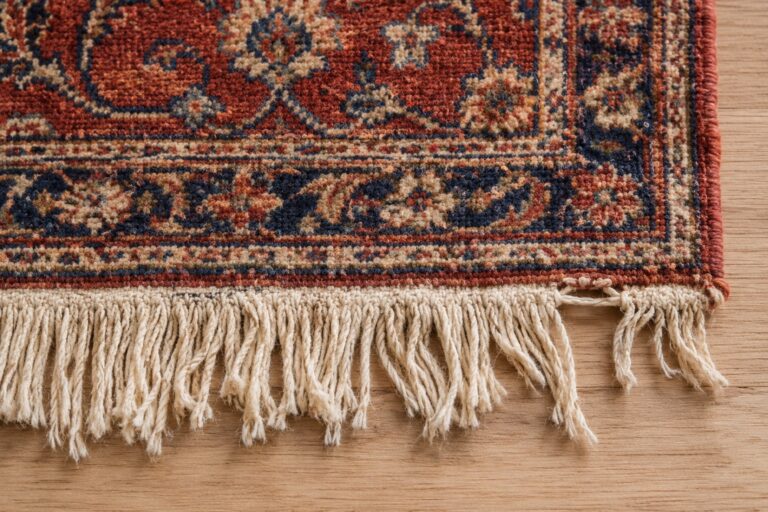
Vacuum slowly on a setting suitable for your rug. Use low suction or a suction-only attachment on a delicate or long pile if its care instructions allow vacuuming. Avoid catching loose edges or fringes. See our guide to cleaning a shag rug for long-pile care.
2. Blot the spill and test any cleaner
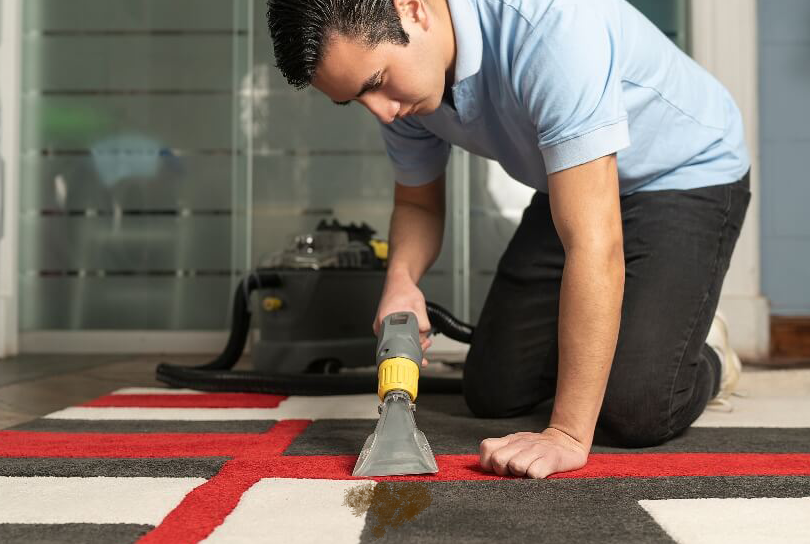
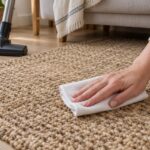
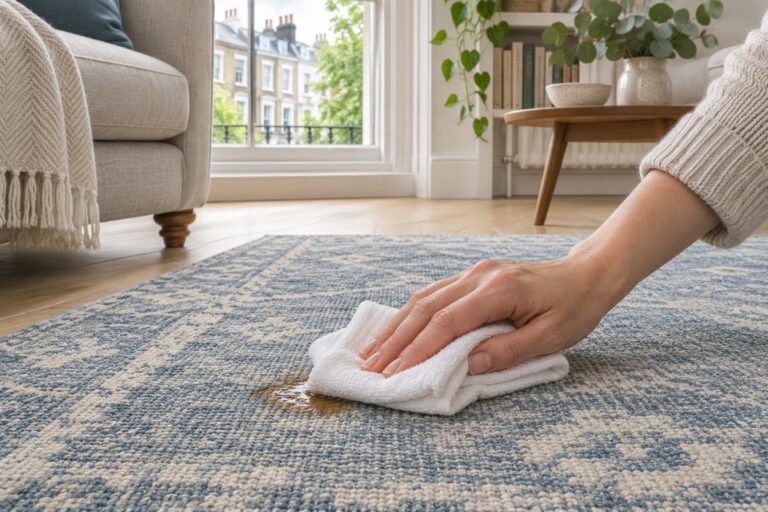
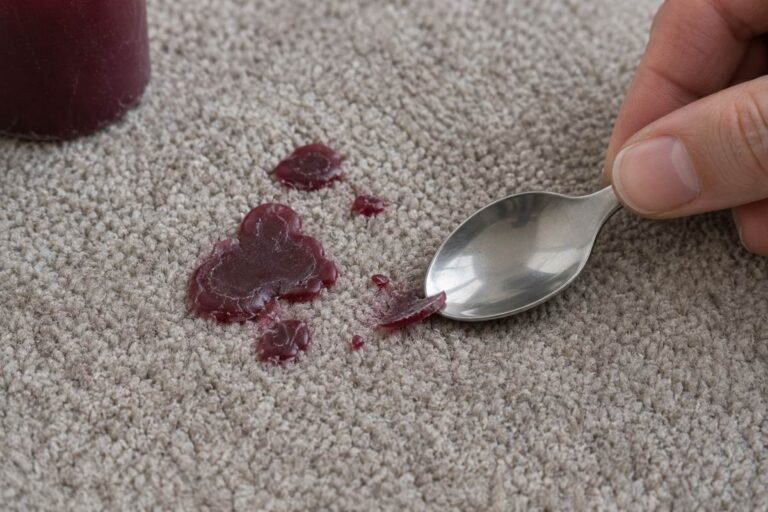
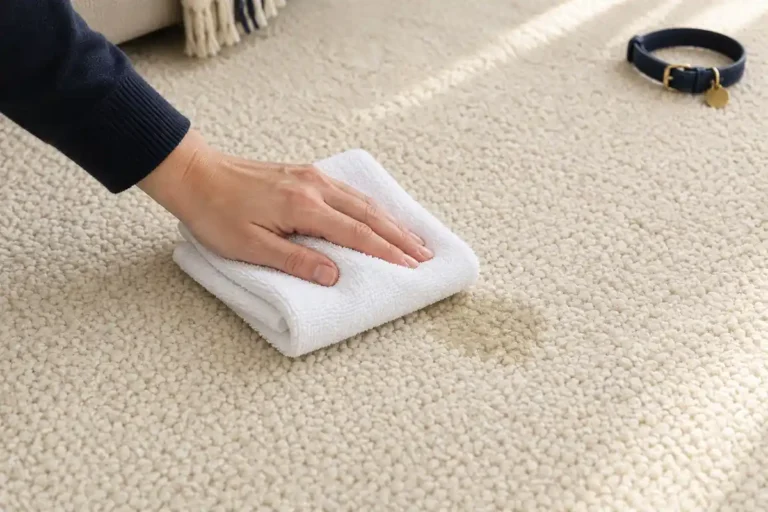
Lift solids gently with a spoon. Press a clean white cloth onto liquid to absorb it, working from the edge towards the centre and turning the cloth as it picks up the spill. Rubbing can spread the mark and disturb the pile.
If the care instructions permit a spot cleaner, test it as directed on a hidden patch. Let the patch dry and check for colour transfer, a halo or a change in texture. Stop if you see any of these signs. A successful spot test only applies to the small treatment you tested.
3. Treat the mark with as little moisture as possible
Follow the product and rug instructions. Where they allow cloth application, put a small amount of the diluted cleaner on the cloth and dab the spot. If the directions call for rinsing, blot with a second cloth lightly dampened with clean water. Finish by pressing with a dry towel. Stop if colour transfers or the mark starts to spread.
For jute and viscose, read the material-specific advice before treating a mark. Moisture can leave rings on jute or change the appearance of viscose pile.
How to wash a rug that is labelled washable
Use the machine only if the label explicitly permits machine washing. If the rug has a removable cover, check which part can go in. Make sure the rug or cover fits and meets the washer’s load guidance. Select the temperature, cycle and detergent the rug maker specifies.
If the label allows hand washing only, follow its method and support the rug when lifting it wet. Avoid wringing. For a large rug that you cannot lift or dry properly, arrange a professional clean.
Dry the rug before putting it back
Blot excess moisture with clean towels and follow the label’s drying method. If it calls for flat drying, support the rug evenly and allow air to reach the underside. Keep the rug off moisture-sensitive flooring while it dries. Check the backing, edges and any separate pad before putting everything back or replacing furniture. Drying time varies with thickness, airflow and how wet the rug became.
When to get professional rug cleaning
Stop home treatment if dye transfers, the backing begins to separate or the rug changes shape as it dries. A spill that has reached the backing or a stain that keeps returning also warrants a closer look. Holes, loose binding and fraying are physical damage and may need separate repair.
For a handmade rug, read our Persian rug care guide. If you are unsure what your rug can tolerate, contact our London rug cleaning team and share a photo, the dimensions and any care label so we can advise on the next step.

Frequently asked questions
Can I clean a rug without a carpet cleaning machine?
Yes. Gentle vacuuming and blotting a small fresh spill are usually the first steps. For a remaining mark, use the rug maker’s recommended spot-cleaning method.
Can I put a rug in the washing machine?
Only if the label permits it and the rug fits within the washer’s capacity. On a two-piece rug, check instructions for the cover and pad separately.
Can I steam clean a rug at home?
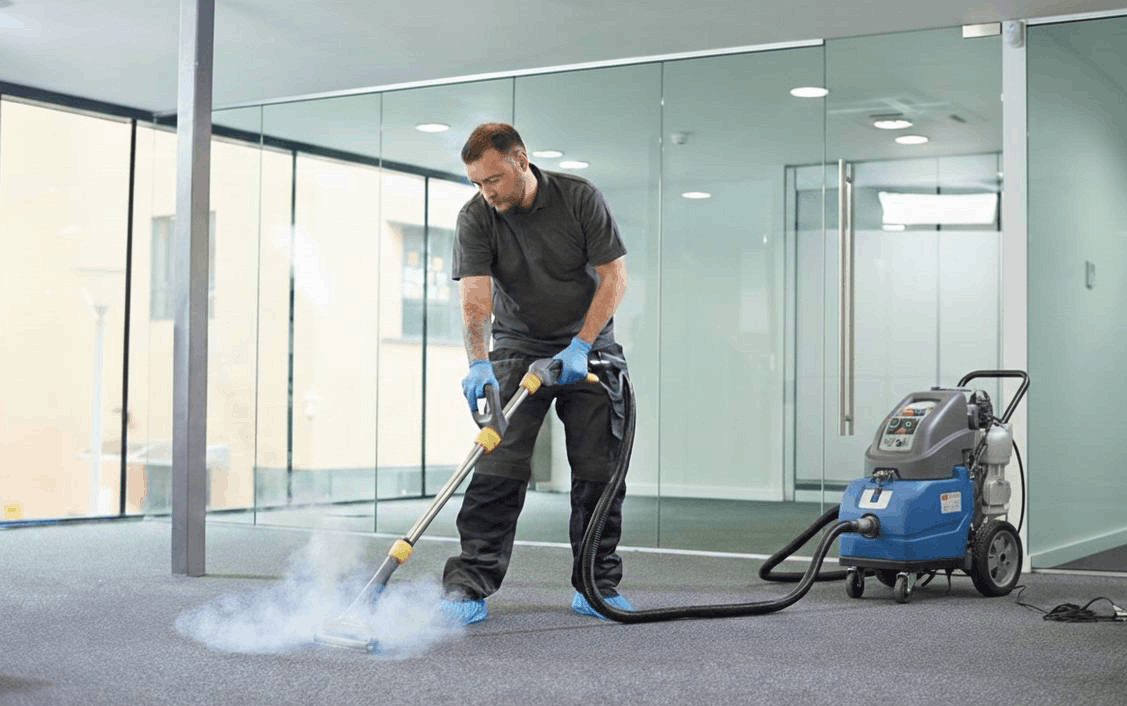
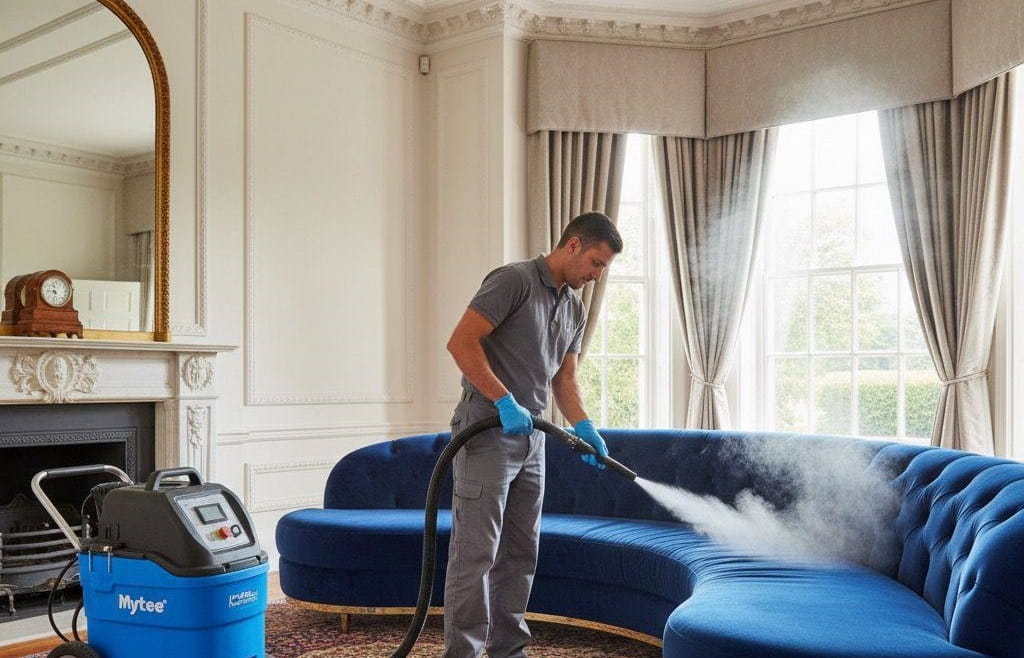
Use a steam cleaner only if the rug manufacturer specifically permits it. Check the instructions for the rug and the machine before using heat or moisture.
Can I use vinegar or bicarbonate of soda on a rug?
Use them only if the rug maker recommends them. A household remedy can change a dye, affect the pile or leave residue. Choose a treatment that is suitable for the rug and the type of spill.
How do I know when a rug is dry?
Feel the backing, edges and thicker areas as well as the surface. If any area still feels damp, keep it ventilated and wait before placing it back on the floor.