If you are looking to refresh your home or office carpets, you have likely come across two phrases repeatedly: “hot water extraction” and “steam cleaning”. You might be wondering whether they are completely different treatments or if one is superior to the other.
The short answer is that while they are technically different processes, most carpet cleaning companies in London use the terms to mean the exact same thing. This comprehensive guide will clear up the confusion, explain the technical science behind both methods, and help you choose the ideal treatment for your floors.
Key Takeaways
- The Big Secret: In the professional carpet cleaning industry, the terms “steam cleaning” and “hot water extraction” are almost always used interchangeably to describe the same highly effective process.
- The Technical Difference: True steam cleaning uses vaporised water (steam) to sanitise surfaces. Hot water extraction uses heated, pressurised water combined with specialised cleaning solutions to deep-clean carpet fibres.
- The Deep-Clean Champion: Hot water extraction is widely considered the best carpet cleaning method for shifting deep-seated dirt, removing tough stains, and refreshing high-traffic areas.
- Drying Expectations: Professional extraction machinery removes the vast majority of the water, leaving carpets only lightly damp. Depending on the fibre type, ventilation, and indoor conditions, full drying can take up to 24 hours.
Hot water extraction vs steam cleaning: the quick answer
When comparing hot water extraction vs steam cleaning, the core difference lies in the state of the water used. Hot water extraction relies on high-pressure heated water to flush out dirt, whereas true steam cleaning relies on vaporised steam to sanitise surfaces.
However, in everyday commercial use, when a professional service offers steam carpet cleaning london, they are almost always referring to hot water extraction. True steam is rarely used on carpets because excessive heat can shrink certain fibres and lack the rinsing power needed to remove deep-set soil. Therefore, what matters most to you as a customer is not the label on the service, but the power of the extraction machinery and the skill of the technician.
Comparison Table for Carpet Treatments
Feature / Metric | Hot Water Extraction (HWE) | True Steam Cleaning |
Water State & Temperature | Heated liquid water (typically 60℃ to 110℃) | Vaporised dry steam (above 100℃) |
Moisture Levels Left | Highly controlled; fibres left only lightly damp | Very low moisture; surface-level vapor |
Average Drying Time | Can take up to 24 hours depending on conditions | Very fast (often 1 to 2 hours) |
Best Used For | Deep soil extraction, stain removal, thick carpets | Surface sanitisation, hard floors, grout, mattresses |
Common Commercial Name | Often marketed as “Professional Steam Cleaning” | Thermal Sanitisation / Vapor Cleaning |
What is hot water extraction?
Hot water extraction is a heavy-duty, professional method designed to deep-clean carpets by penetrating to the very base of the pile. It is the method most frequently recommended by major carpet manufacturers worldwide because it thoroughly cleans rather than just shifting surface dirt.
How the hot water extraction process works (step by step)
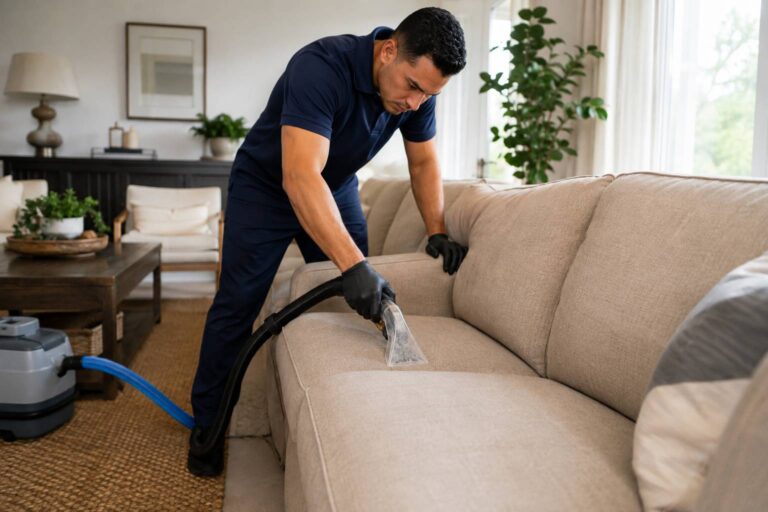
Understanding what is hot water extraction requires looking at how a professional technician approaches a room. The process follows a strict sequence to ensure maximum soil removal:
- Dry Soil Removal: The technician thoroughly vacuums the carpet using an industrial HEPA-filter vacuum to remove loose, dry grit that could turn into mud during the wet phase.
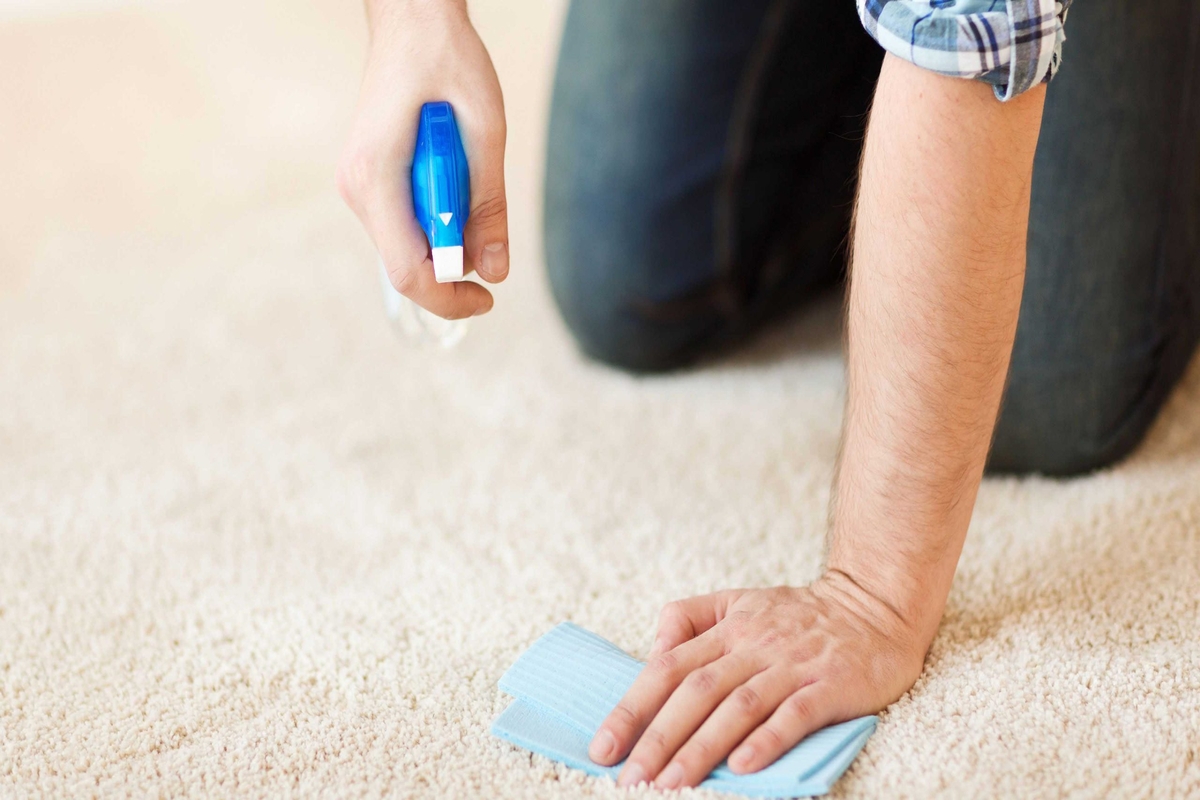
- Pre-treatment: Specialized cleaning solutions are sprayed onto the carpet to break down grease, traffic lane grime, and embedded oils.
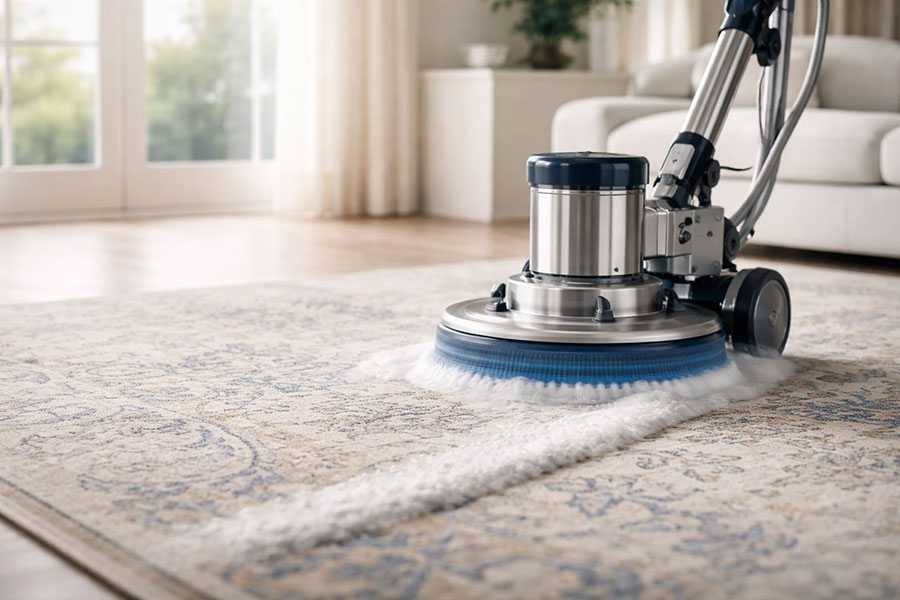
- Agitation: The solution is gently worked into the pile to loosen stubborn dirt from the individual fibres.
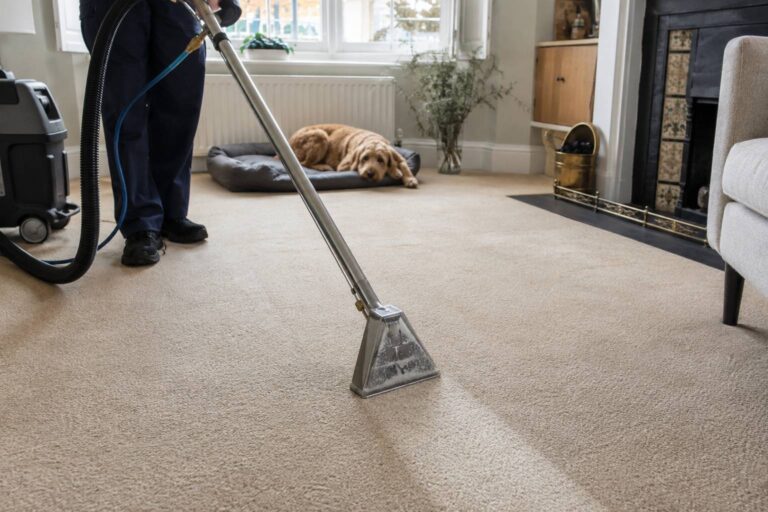
- High-Pressure Flush: Heated water is injected deep into the carpet pile under high pressure, instantly detaching the loosened dirt.
Why it’s left only lightly damp: the role of powerful extraction
A common worry for homeowners is that their floors will be left soaking wet. With professional hot water extraction carpet cleaning, this is not the case.
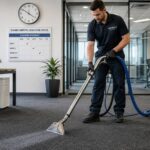
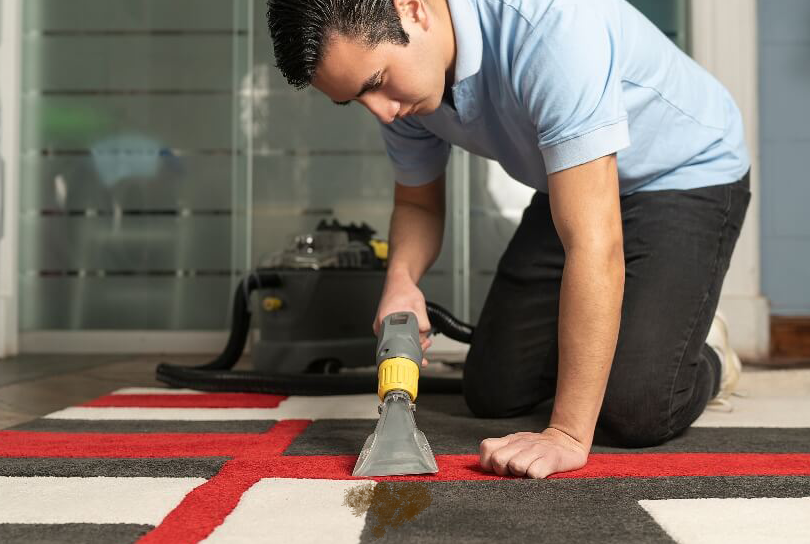
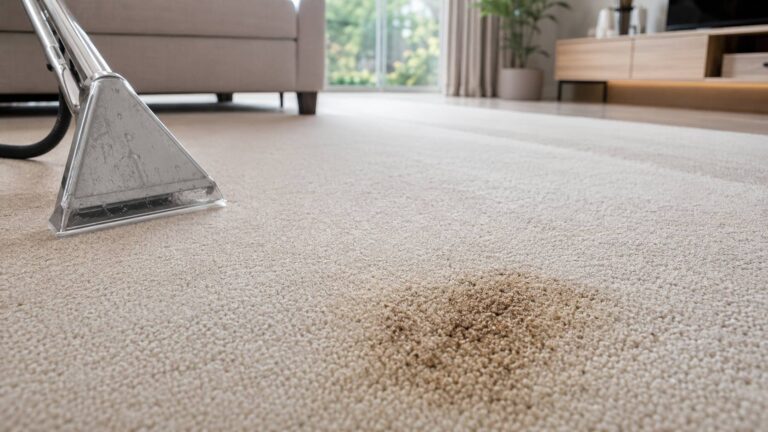
The advanced machinery features an incredibly powerful vacuum motor. Immediately after the hot water is injected into the pile, the high-powered suction pulls the water back out, along with the dissolved dirt, allergens, and cleaning residues. Because the machine extracts the vast majority of the liquid, your carpets are left only lightly damp to the touch, preventing underlying floor damage or mould growth.
What hot water extraction is best for
Hot water extraction is the absolute gold standard for heavily soiled carpets, high-traffic hallways, pet owners, and allergy sufferers. Because it physically flushes out pollutants, it removes pollen, dust mites, pet dander, and deep-seated grit that regular vacuuming cannot touch. In most cases, depending on the fibre type and condition, it is also the most successful method for lifting stubborn stains and eliminating stale odours.
Steam isn’t the only alternative, compare it with dry carpet cleaning vs steam cleaning too.
What is steam cleaning?
To fully understand the market, it helps to look at what true steam cleaning actually entails when separated from carpet cleaning industry jargon.
True steam cleaning vs the everyday use of the term
Is steam cleaning the same as hot water extraction? Technically, no. True steam cleaning involves heating water to a boiling point to create actual dry vaporous steam. This vapor contains very little liquid water and is applied to surfaces under low pressure.
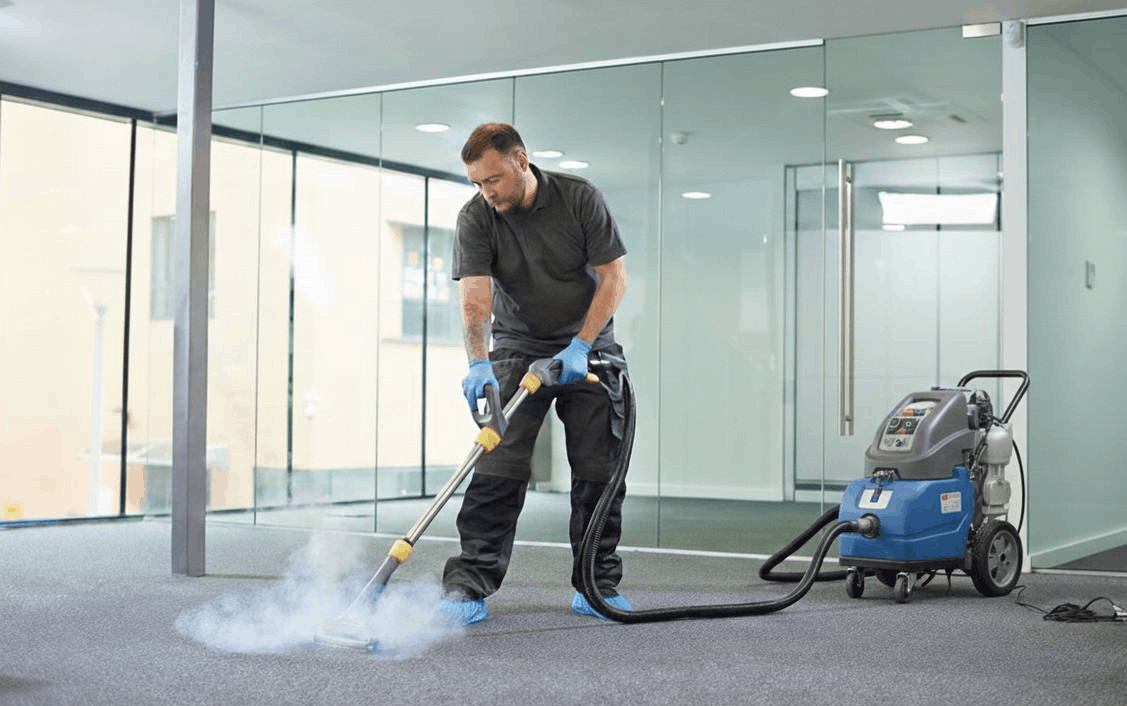
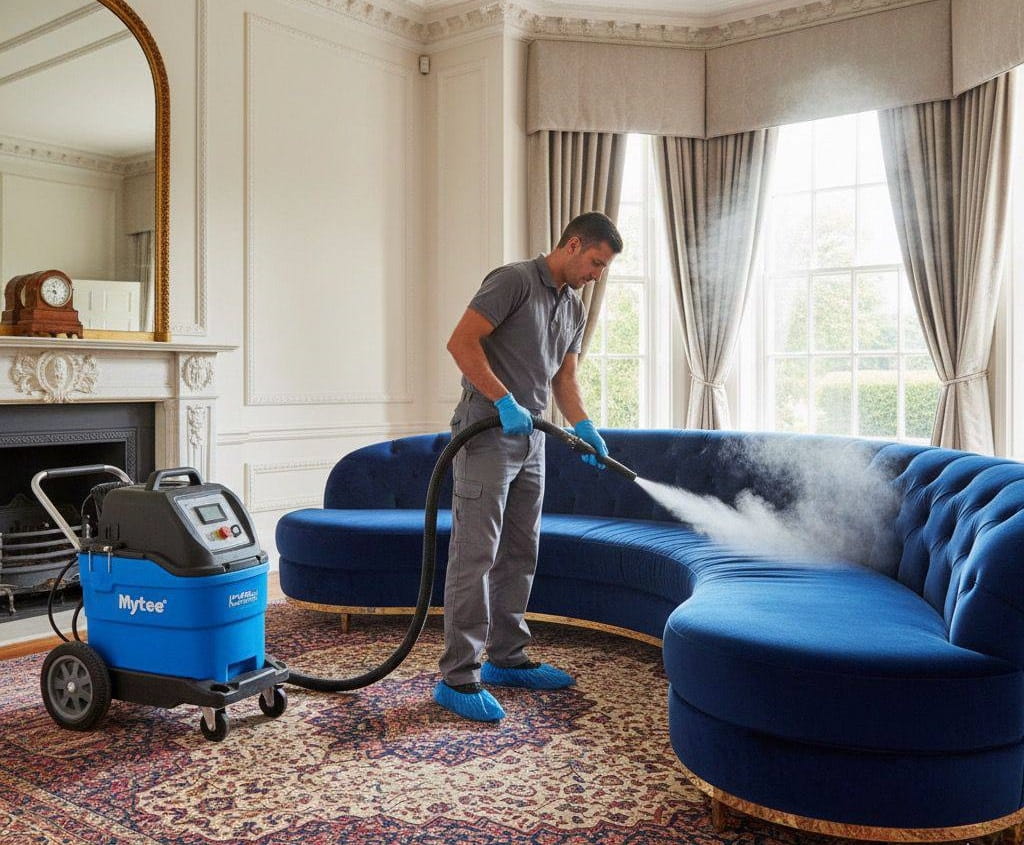
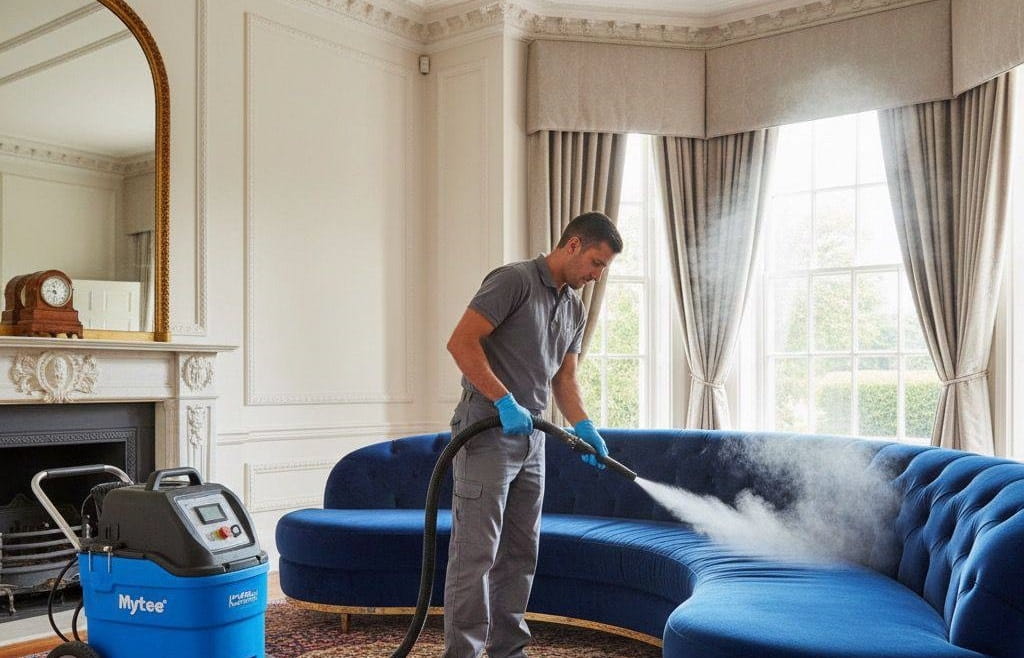
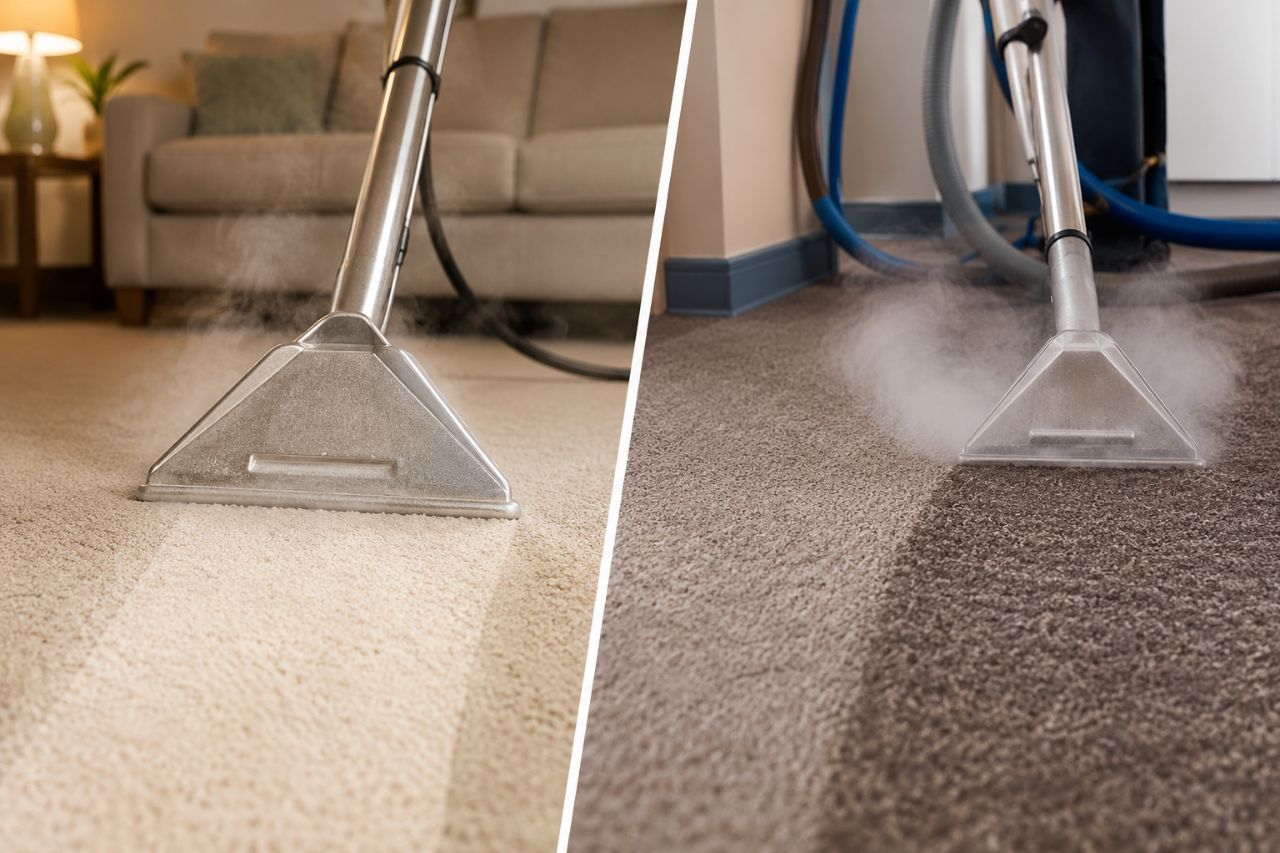
In everyday conversation and marketing, however, the term “steam cleaning” has simply become a catchy shorthand for hot water extraction. Because hot water extraction machines produce visible steam plumes as the heated water meets the cooler air, it is easy to see how the name stuck.
When actual steam is used (e.g. sanitising)
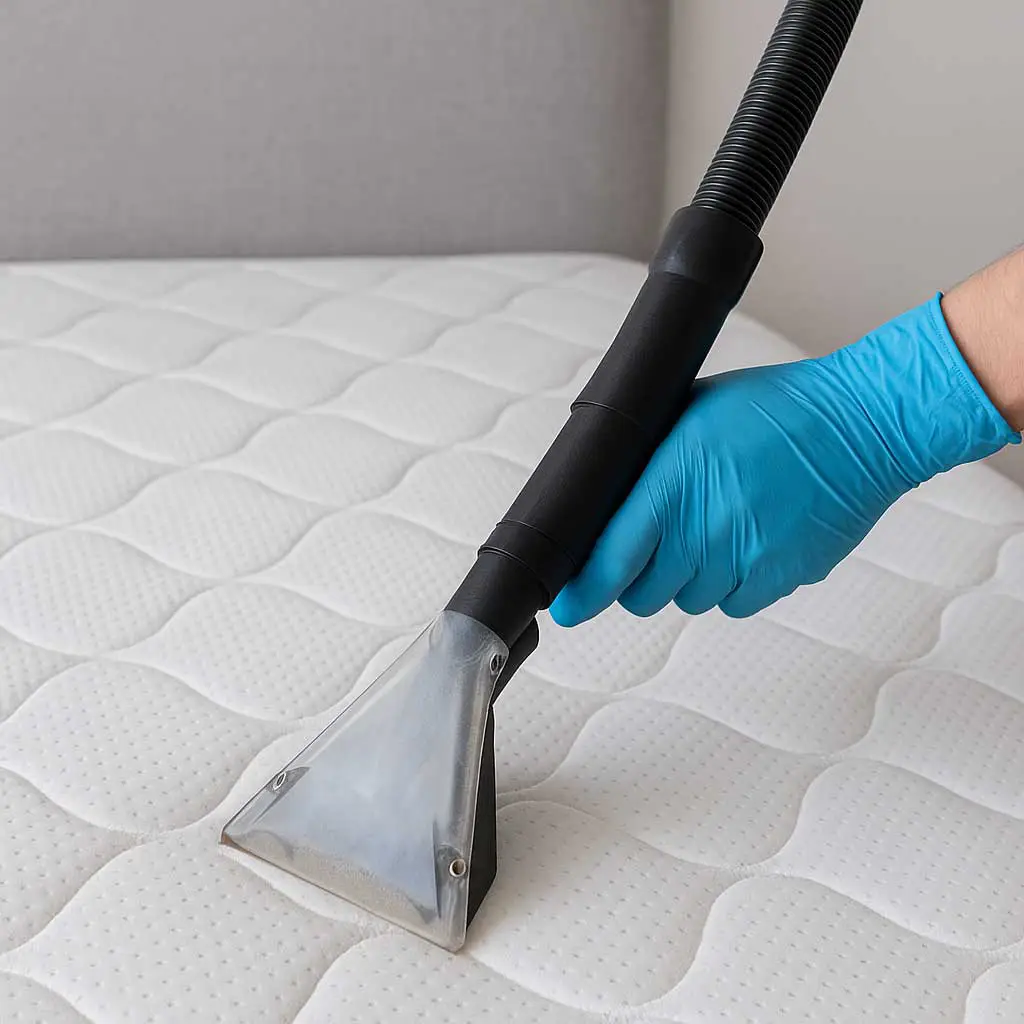
True, dry vapor steam is an excellent tool, but it is typically reserved for hard surfaces rather than deep carpet care. It is highly effective for sanitising tile grout, refreshing mattresses, cleaning curtains while they hang, and degreasing kitchen appliances. While it kills bacteria and dust mites through sheer heat, it lacks the high-volume water flush required to rinse thick layers of mud, dirt, and sticky residues out of deep carpet piles.
Hot water extraction vs steam cleaning: what's the real difference?
To help you compare how these two terms stack up when looking at their literal, technical definitions, consider the core metrics below.
Temperature and moisture
Hot water extraction uses hot water to flush out dirt, using the liquid as a vehicle to carry debris into the recovery tank. True steam cleaning uses gaseous water vapor, applying high heat but very little moisture, meaning it does not flush out deep physical debris as effectively.
Drying time
Because hot water extraction introduces liquid into the carpet pile, the fibers require time to dry completely. While professional machinery extracts the bulk of the water, a thorough carpet drying time process can take up to 24 hours in certain conditions, depending on room ventilation and seasonal humidity. True steam dries faster but does not offer the same deep-cleansing rinse.
Which is better for your carpet?
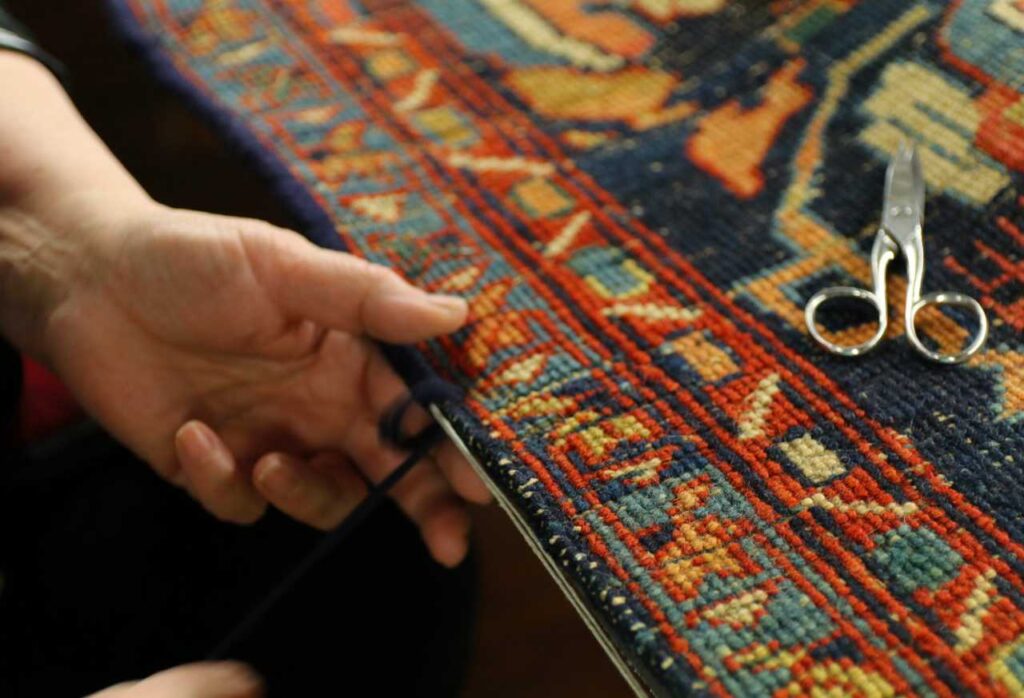
For almost all household and commercial carpets, hot water extraction is the superior option. It provides the deep rinsing action needed to clean thoroughly. However, the ideal choice always depends on the specific textile. For example, delicate silk or antique wool floor coverings may require specialized care, which is why a dedicated rug cleaning approach using low-moisture or cold-water methods is often preferred to protect delicate natural fibres from heat damage.
Hot water extraction is our standard for a reason, book our professional carpet cleaning service.
How Hi Carpet Cleaner cleans carpets in London
At Hi Carpet Cleaner, we bring clarity, transparency, and elite-grade equipment to homes and businesses across Edgware and the wider Greater London area. We do not use confusing industry jargon; instead, we combine advanced hot water extraction with real expertise.
Our hot water extraction process, step by step
We have refined our method into a precise five-step system designed to deliver the deepest clean possible while fully protecting your investment:
[Pre-Inspection & HEPA Vacuuming] ➔ [Targeted Pre-Treatment] ➔ [Hot Water Extraction (“Steam Injection”)] ➔ [Powerful Suction Extraction] ➔ [Speed Drying & Optional Protection]
- Pre-inspection & HEPA vacuuming: We carefully inspect the carpet fibres, construction, and problem areas before thoroughly vacuuming away dry surface dirt.
- Targeted pre-treatment: We apply specialised solutions designed to break down tough stains, walking-lane grease, and heavy soiling before the main deep clean.
- Hot water extraction / “steam injection”: Using our professional machinery, we inject a heated cleaning solution deep into the carpet fibres to loosen deeply embedded dirt. This is the stage where the “steam” label comes from!
- Powerful extraction: High-powered suction immediately removes the dirty water, dissolved debris, and cleaning residues, leaving your carpets only lightly damp.
- Speed drying & protection: We can deploy professional air movers to accelerate drying times. We also offer a deodorising and freshening step as standard, with optional protective treatments available on request to help reduce future staining. Eco-friendly cleaning products are also available on request.
Why our trained, insured London team makes the difference
The machinery is only as good as the technician operating it. The Hi Carpet Cleaner team stands apart because we employ an assessment-first approach—we never treat a fabric without inspecting its fibres first.
Every member of our team is fully DBS-checked for your complete peace of mind, and our services are backed by comprehensive AXA insurance cover up to £10m. We focus on safe, effective methods tailored perfectly to your home.
Frequently asked questions
Is steam cleaning the same as hot water extraction?
In the commercial carpet care industry, yes, these terms are used interchangeably by almost all companies. Globally and technically, they differ because hot water extraction uses high-pressure hot water to flush out dirt, while true steam cleaning uses vaporised water steam to sanitise surfaces.
Does hot water extraction damage carpets?
No, hot water extraction will not damage your carpets if it is carried out by a trained professional using commercial-grade machinery. Because our technicians assess the fibre type first and use powerful extraction vacuums to prevent waterlogging, the process is entirely safe for all synthetic and suitable natural carpets.
How long does a carpet take to dry after hot water extraction?
Typically, carpets are left only lightly damp to the touch immediately after treatment, but full drying can take up to 24 hours in certain conditions. Total drying time depends heavily on the carpet pile thickness, indoor temperature, heating, and how much fresh air is circulating through the room.
Is hot water extraction safe for wool carpets?
Yes, hot water extraction is safe for wool carpets, provided the technician uses wool-safe, pH-neutral cleaning solutions and regulates the water temperature carefully. Because wool fibres are highly absorbent, hiring an experienced team with high-power extraction machinery is essential to ensure the carpet dries safely without shrinking.
Which method removes stains best?
Hot water extraction is widely considered the best method for stain removal because it combines heat, targeted pre-treatment solutions, and high-pressure rinsing. By loosening the chemical bond between the stain and the carpet fibre and instantly vacuuming it away, it achieves excellent results in most cases depending on the substance and fibre age.