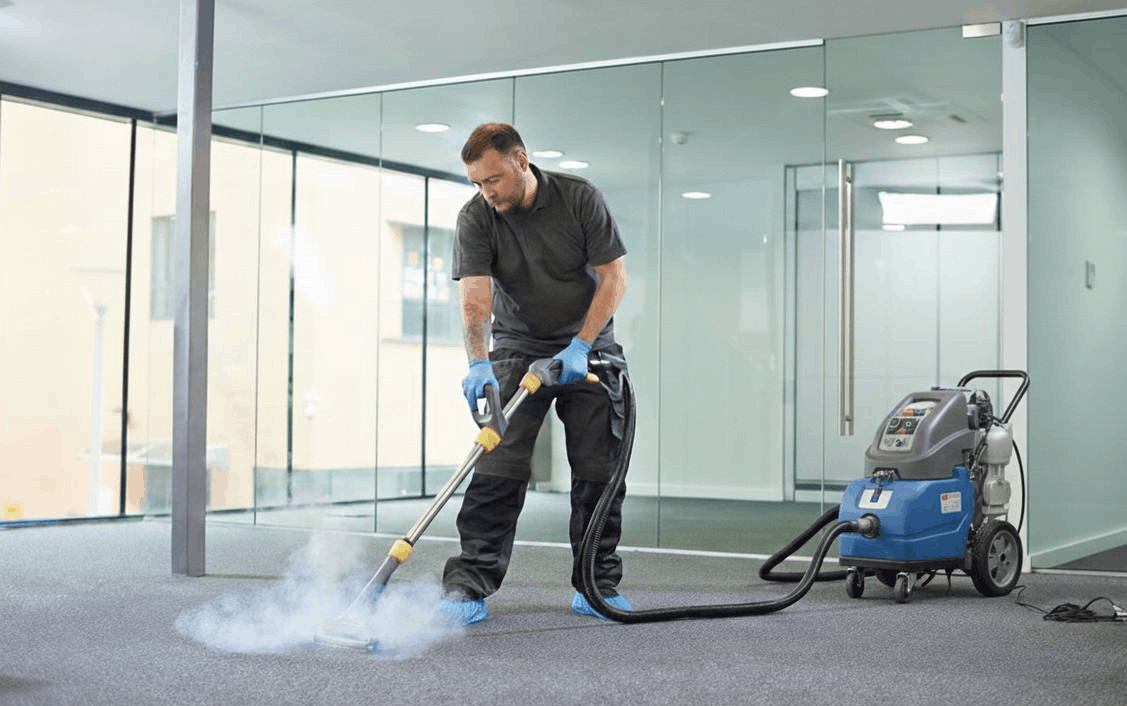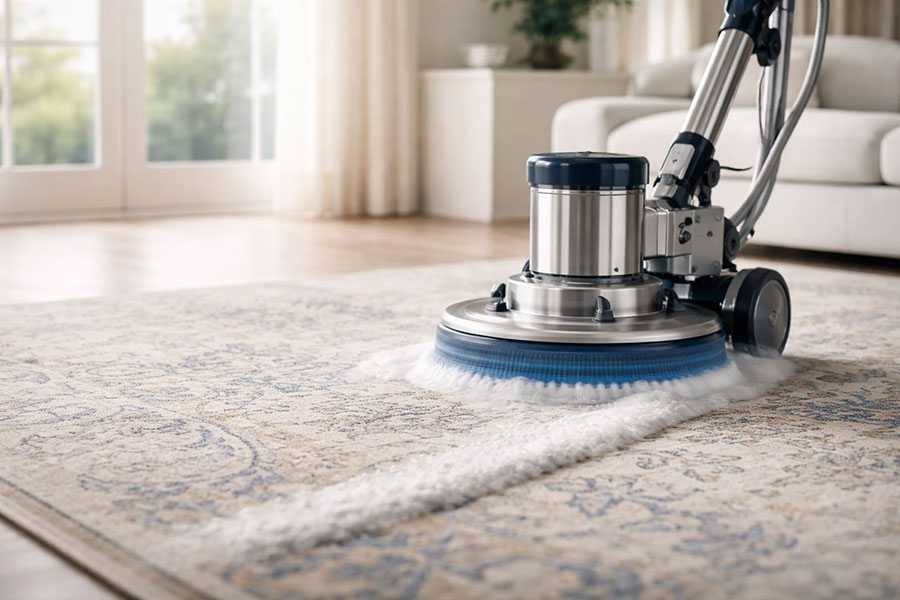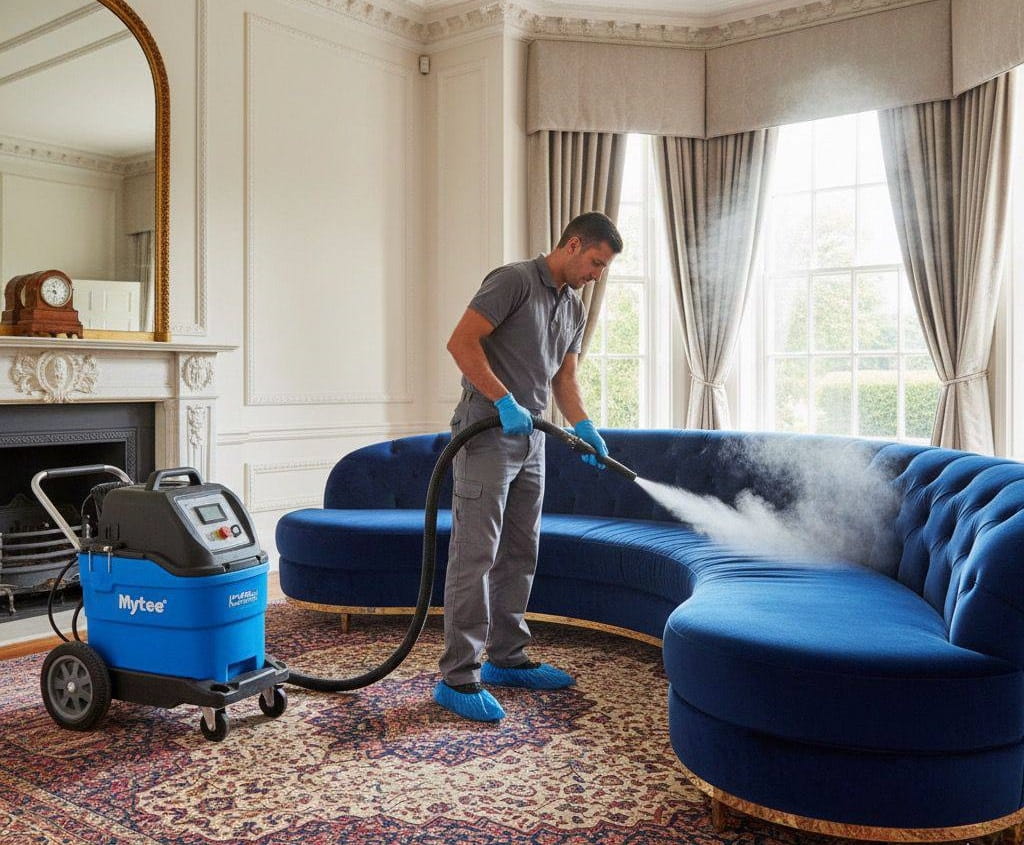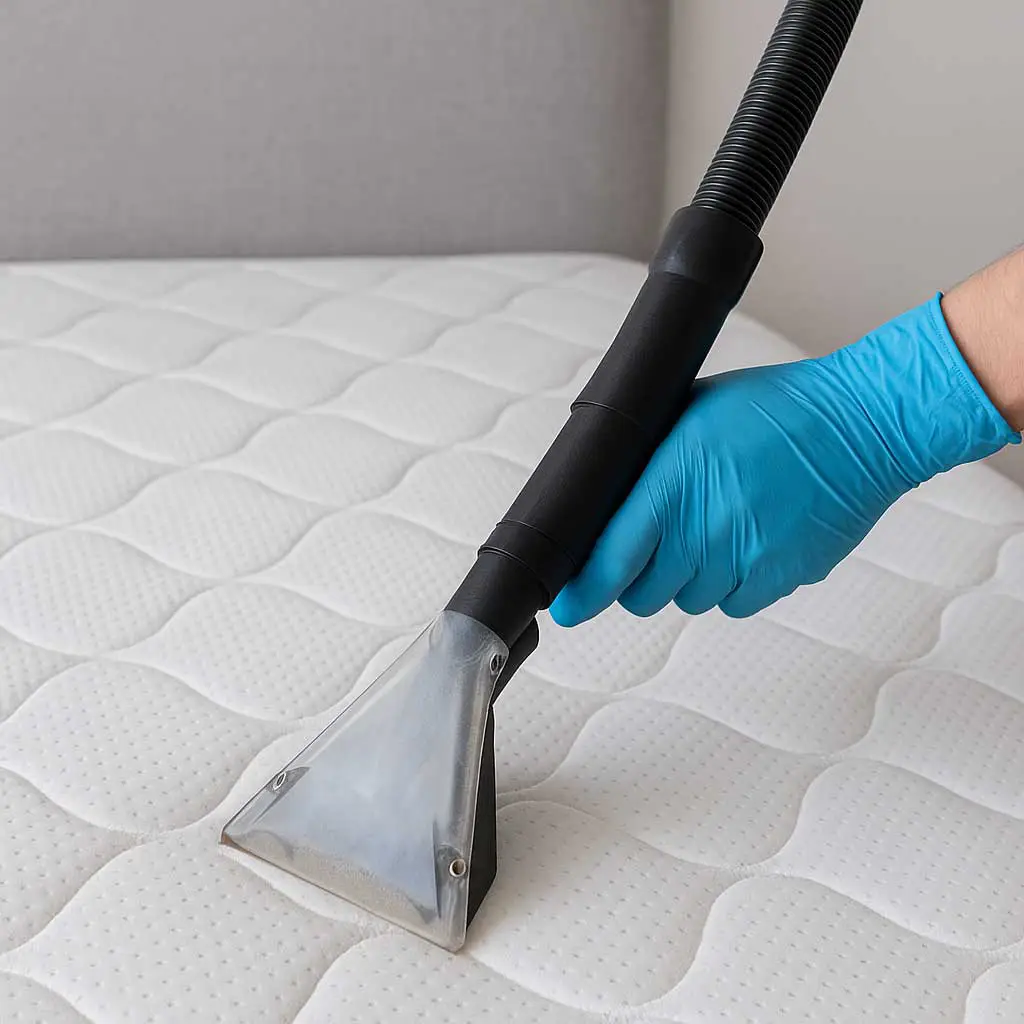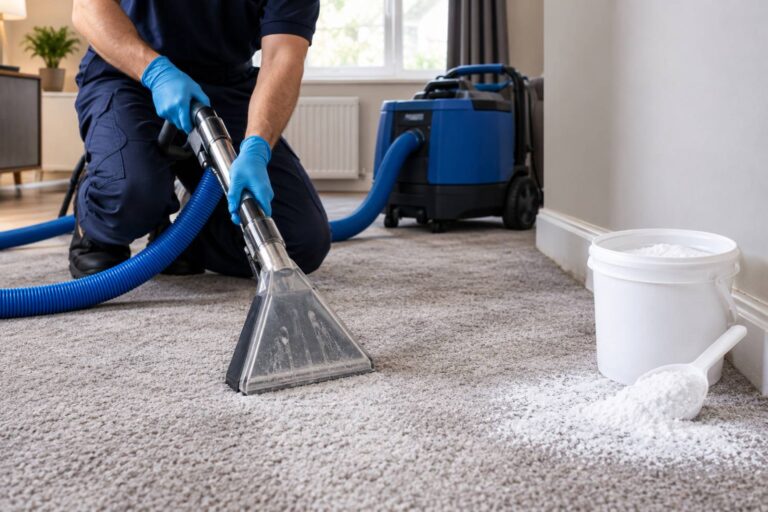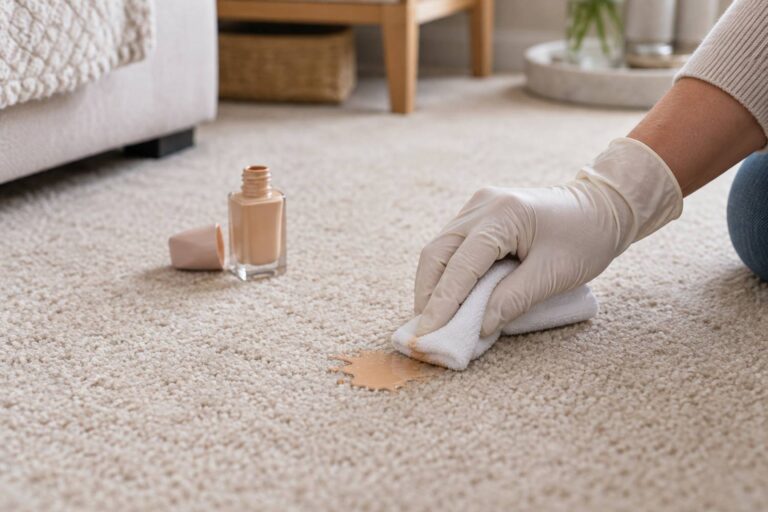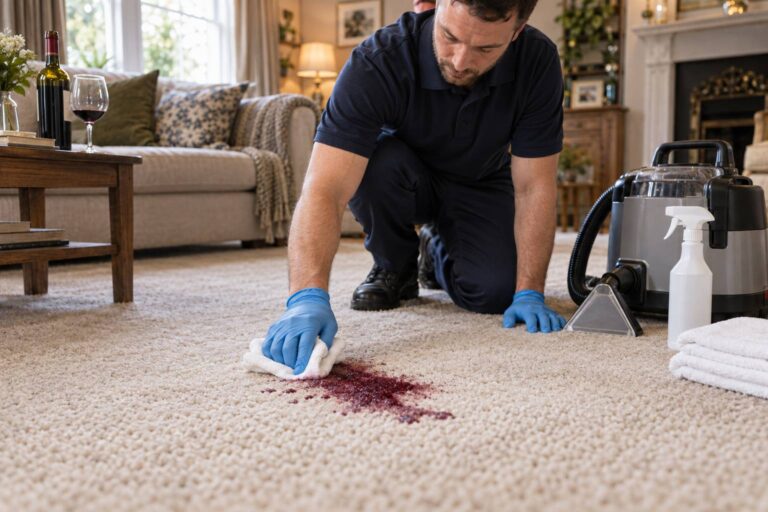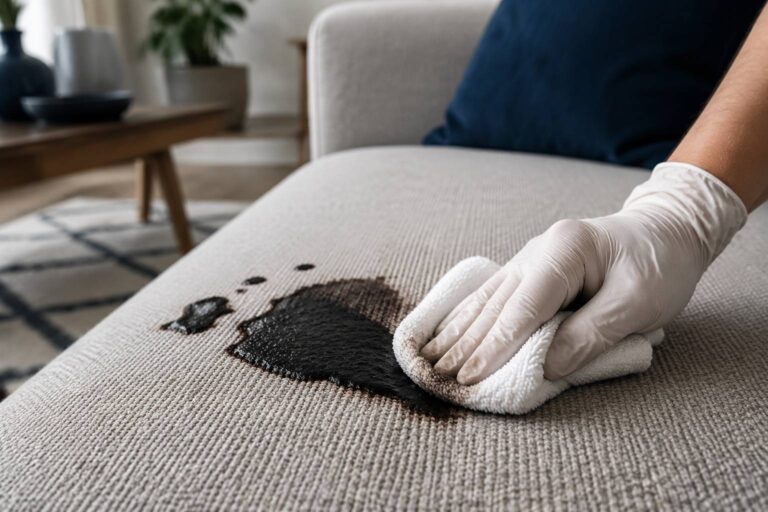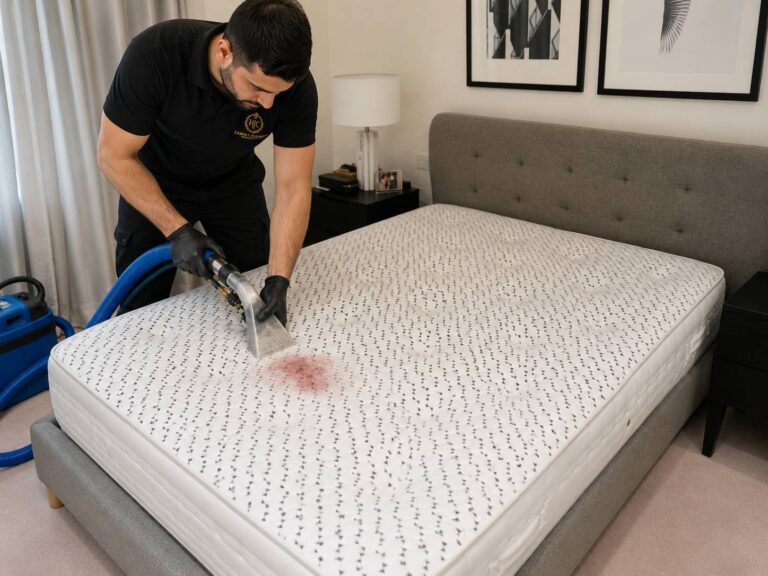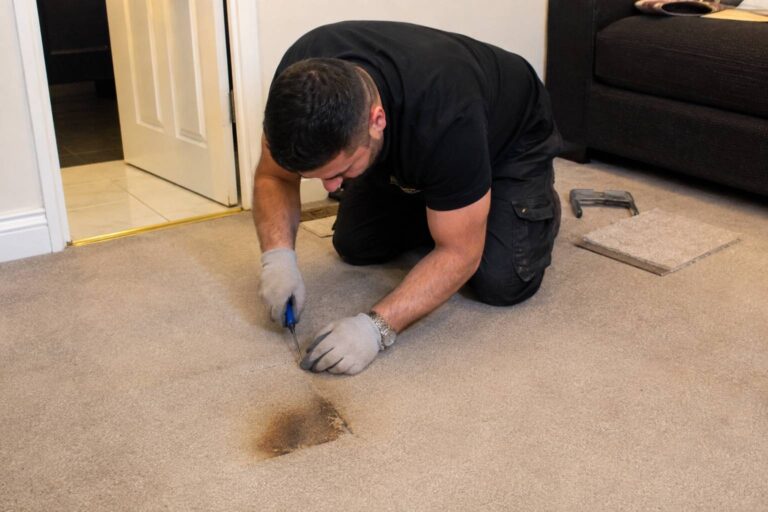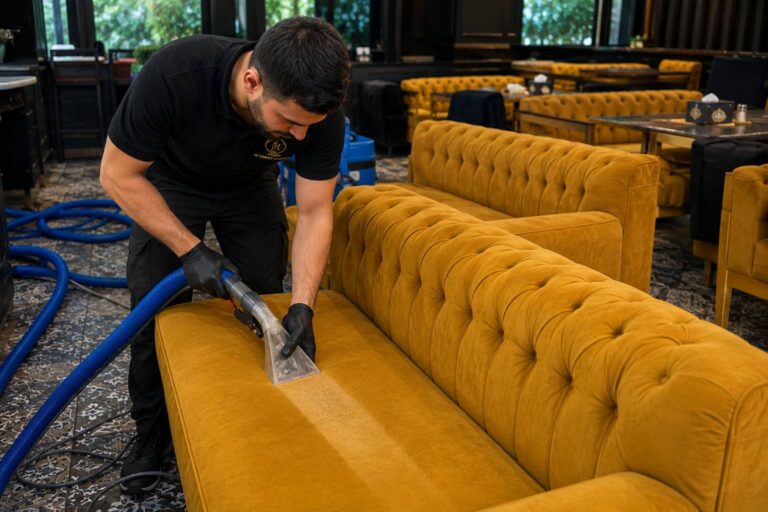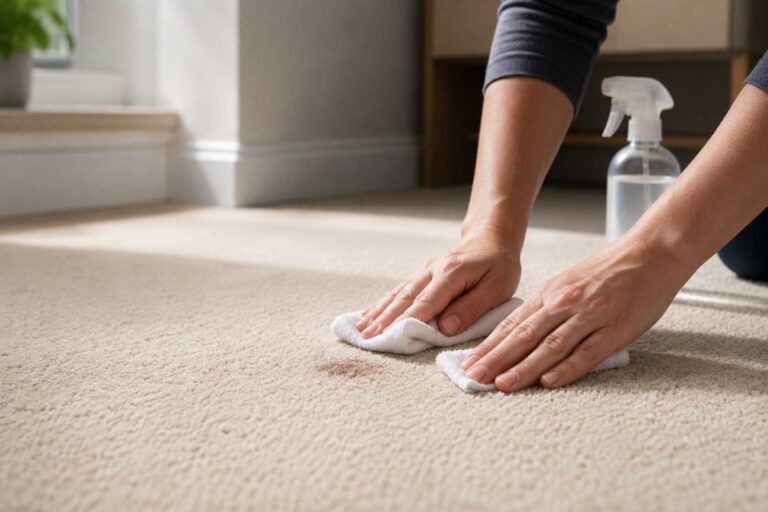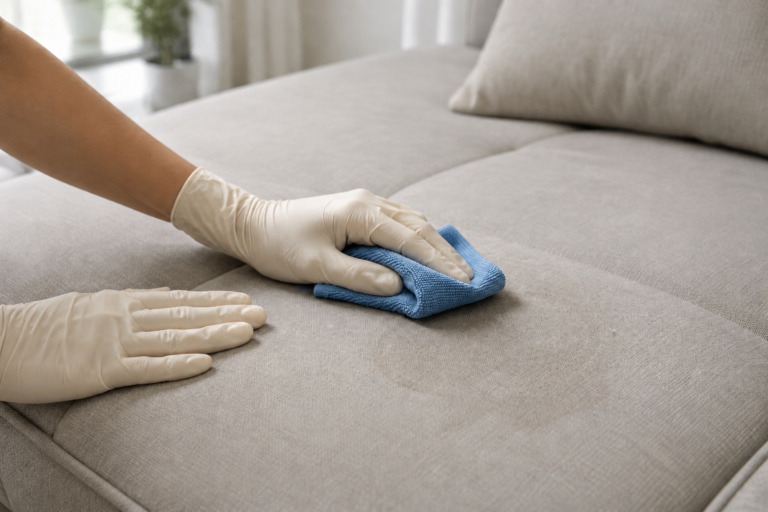
Steam cleaning is generally the superior choice for deep sanitisation and allergen removal, while dry carpet cleaning is best for moisture-sensitive fibres and situations where rapid drying is essential. In London homes, especially in properties with limited ventilation or original Victorian and Edwardian flooring, the difference matters. Steam cleaning (hot water extraction) reaches deep into carpet piles to eradicate bacteria, trapped pollutants and pet dander. Dry carpet cleaning, by contrast, offers immediate walk-on use with minimal moisture, making it suitable for busy households, delicate wool carpets, and humidity-prone spaces where extended drying times pose a risk
What is the Difference Between Dry Carpet Cleaning and Steam Cleaning?
Understanding the distinction between dry carpet cleaning and steam cleaning is essential for London homeowners to select the right method for their carpets, fibre types, and lifestyle needs. Both approaches aim to refresh carpets, remove dirt, and maintain hygiene, but the techniques, downtime, and outcomes differ significantly.
What is Steam Cleaning (Hot Water Extraction)?
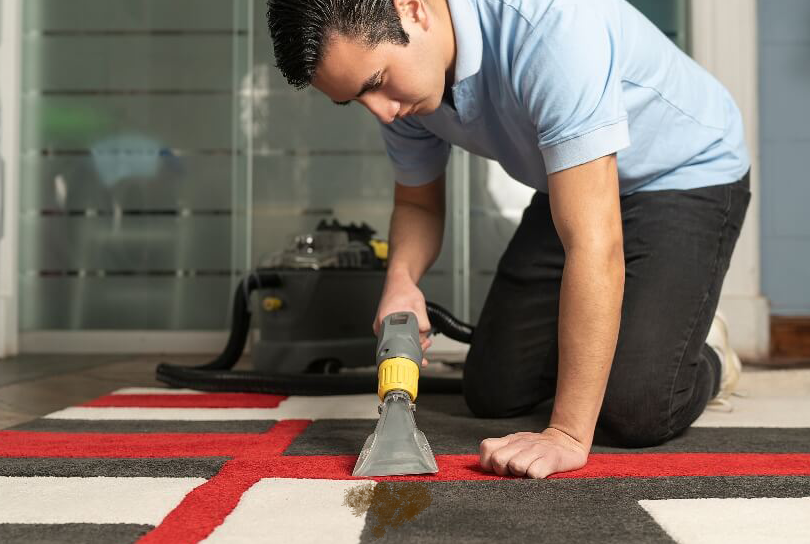
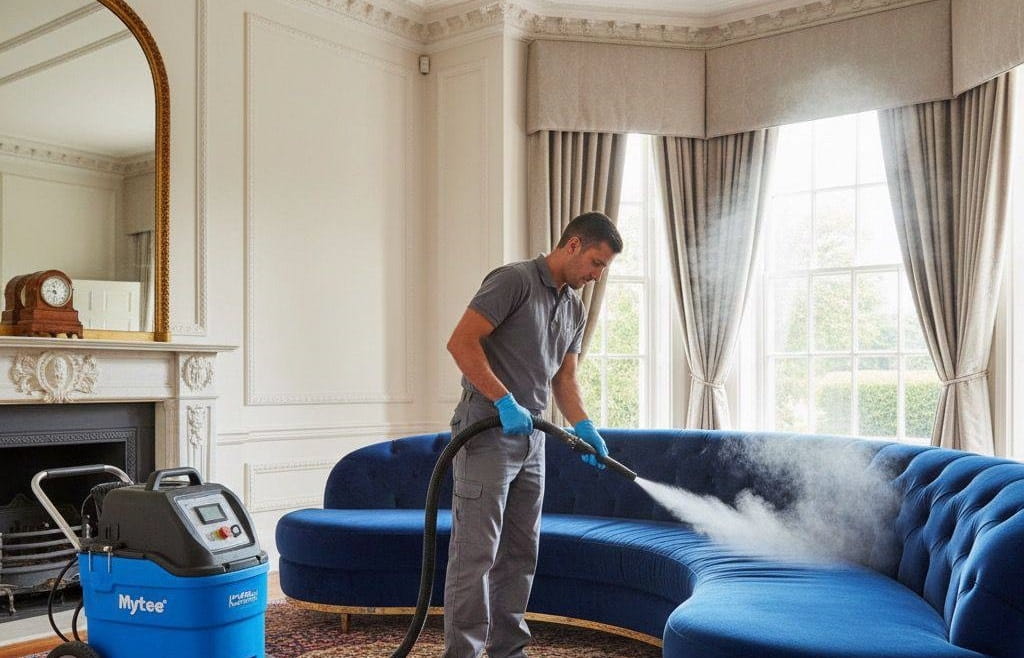
Steam cleaning, also known as hot water extraction for carpets, involves injecting hot water and specialised cleaning solutions deep into carpet fibres and immediately extracting the liquid along with dirt, dust, and allergens. This method penetrates thoroughly, sanitising carpets, eliminating bacteria, and revitalising colours. It is particularly effective for high-traffic areas, homes with children or pets, and allergy-prone environments.
What is Dry Carpet Cleaning?
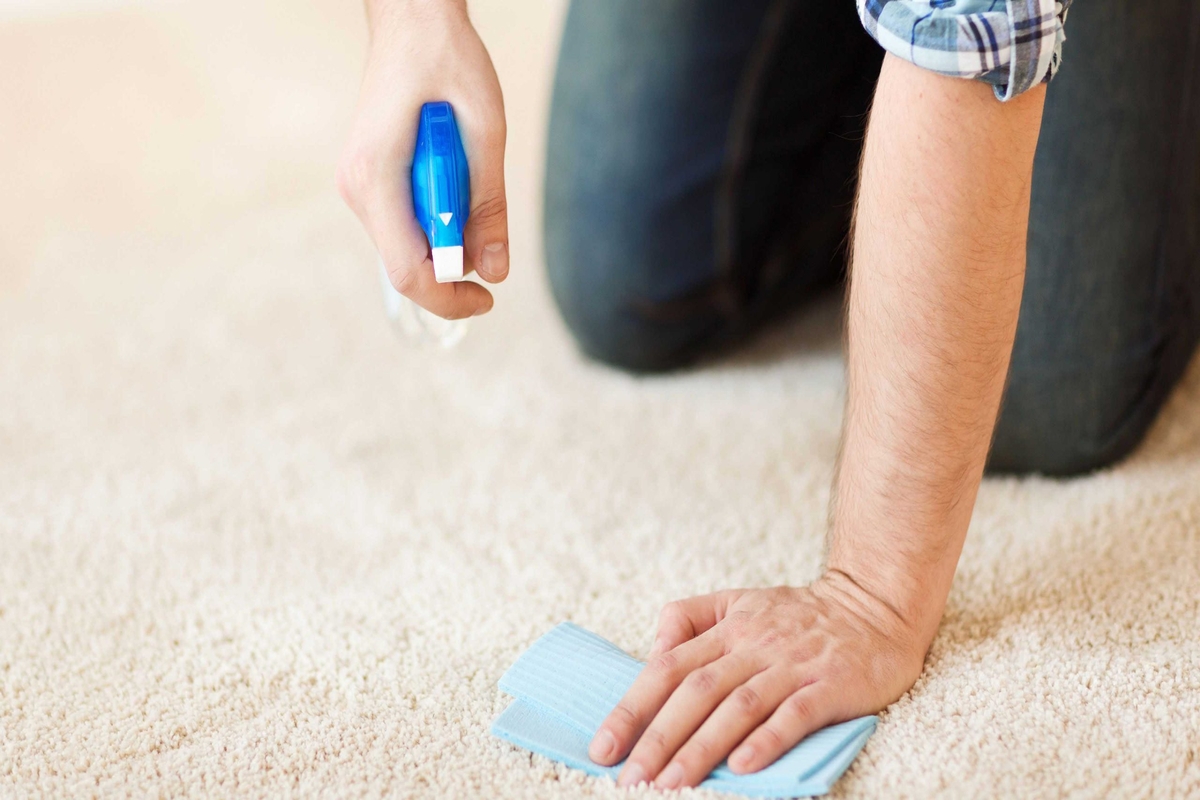
Dry carpet cleaning uses minimal moisture, often in the form of dry compounds, powders, or encapsulation solutions that absorb dirt and are vacuumed away. Benefits of dry carpet cleaning include rapid turnaround times, immediate foot traffic, and reduced risk of water damage or shrinkage. This approach suits delicate fibres such as wool, sisal, or jute, where moisture exposure could cause distortion, fading, or shrinkage.
The clearest difference is drying time, so check how long does carpet take to dry for each method.
What Are the Pros and Cons of Dry Carpet Cleaning vs Steam Cleaning for London Residents?
Choosing between steam cleaning for carpets and dry carpet cleaning depends on hygiene priorities, fibre type, and lifestyle. Here’s a detailed overview tailored to London homes, factoring in humidity, limited ventilation in Victorian or Edwardian flats, and fast-paced urban living.
Steam Cleaning: The Gold Standard for Hygiene
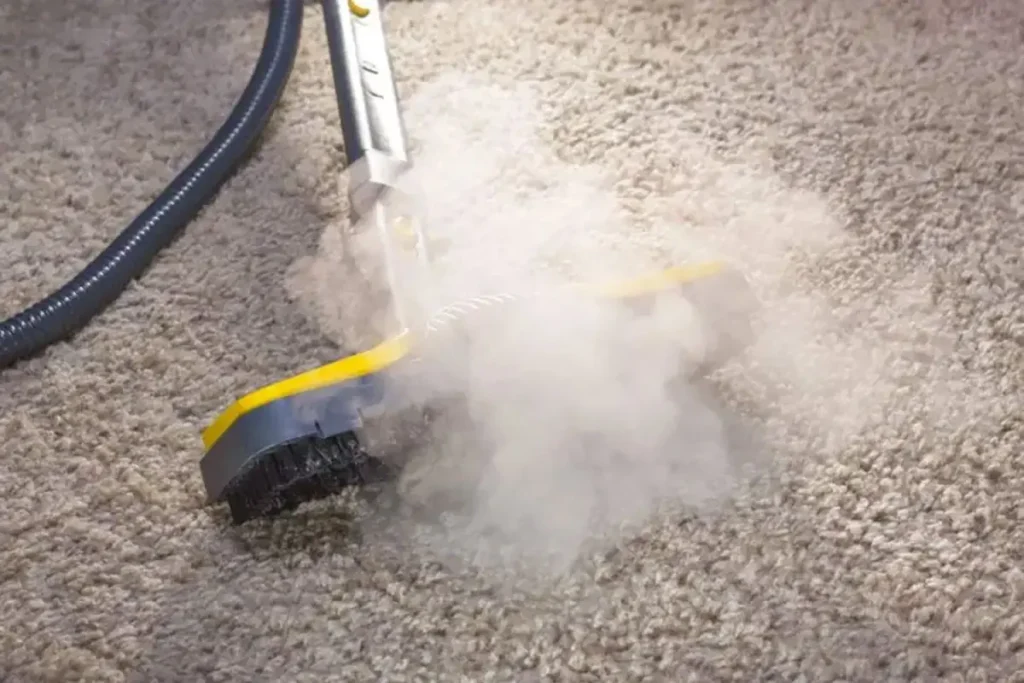
Steam cleaning delivers a thorough, deep-cleaning solution that sanitises carpets, removes allergens, and restores fibre vibrancy, making it ideal for high-traffic London homes or households with children and pets.
Advantages of steam carpet cleaning / hot water extraction:
- Deep sanitisation: Removes bacteria, allergens, and dust mites effectively.
- Restores colour and fibre resilience: Revitalises carpets for a fresh, plush feel.
- Effective for pet stains and odours: Hot water extraction lifts embedded dirt.
- Suitable for synthetic fibres: Nylon, polyester, and blended fibres respond well to deep cleaning.
Disadvantages / Steam cleaning cons:
- Longer drying time, typically 6–12 hours in London flats.
- Temporary disruption due to wet fibres.
- Requires ventilation, which can be challenging in older properties.
Dry Cleaning: The Fast-Track Solution
Dry cleaning provides a rapid, low-moisture method that refreshes carpets quickly, allowing immediate use and protecting moisture-sensitive fibres, perfect for busy professionals and delicate wool rugs in Victorian or Edwardian flats.
Benefits of dry carpet cleaning / eco-friendly dry carpet cleaning:
- Minimal moisture: Immediate foot traffic possible.
- Rapid service: Ideal for busy London households.
- Gentle on natural fibres: Wool, sisal, and jute are less likely to shrink or fade.
- Low disruption: Less equipment, quieter process, suited for shared apartments.
Drawbacks / dry cleaning problems:
- Less effective for deep-set dirt, allergens, and bacteria.
- Limited stain removal compared with hot water extraction.
- May require more frequent maintenance to sustain hygiene standards.
Read Related Article: How Much Does Carpet Cleaning Cost in London?
Dry Carpet Cleaning vs Steam Cleaning: Which Method Performs Better in a Direct Comparison?
Before comparing the two methods directly, it’s important to understand that dry carpet cleaning and steam cleaning serve complementary purposes. Steam cleaning delivers unparalleled deep hygiene and stain removal but requires longer drying times, whereas dry cleaning prioritises speed and fibre safety. In London homes, where humidity, ventilation limitations, and period property layouts influence carpet care, selecting the right approach depends on both the material and practical needs.
The following table highlights how each method performs across key factors to help homeowners make an informed choice.
Feature | Steam Cleaning (Hot Water Extraction) | Dry Carpet Cleaning |
Deep Cleaning Power | Excellent – penetrates deep into fibres to remove embedded dirt, allergens, and bacteria | Moderate – effective on surface dirt but less efficient for deep-set grime |
Drying Time | Longer – typically 6–12 hours, depending on London humidity and ventilation | Immediate – carpets are ready for foot traffic almost instantly |
Eco-friendliness | Moderate – uses water and energy; depends on solutions used | High – eco-friendly dry carpet cleaning uses minimal moisture and low-impact detergents |
Cost-effectiveness | Higher upfront cost but longer-lasting hygiene | Lower cost per session, but may require more frequent cleaning |
Stain Removal Efficiency | High – excellent for stubborn stains, pet accidents, and odours | Moderate – surface stains can be lifted, but deep stains may persist |
While both cleaning methods can improve appearance and hygiene, neither can fix physical damage such as burns, tears, or loose seams, which may require professional carpet repair.

Which Cleaning Solution Best Suits Your Specific London Home’s Needs?
Selecting the right method depends on your home’s flooring, lifestyle, and immediate requirements. Understanding fibre types, occupancy patterns, and drying constraints helps determine whether steam cleaning or dry carpet cleaning is most suitable.
When to Choose Steam Cleaning in London?
Steam cleaning is best suited for homes where deep hygiene, allergen removal, and thorough fibre care are priorities. In London, the city’s humidity can extend drying times, but the method’s ability to extract embedded dirt, bacteria, and pet dander outweighs this for families, allergy sufferers, and high-traffic areas. It also revitalises carpet fibres, restoring colour and texture. Steam cleaning works particularly well on synthetic fibres and blended carpets, making it the gold standard for periodic deep maintenance every 12–18 months in both modern and period properties.
- Families with children or pets: Hot water extraction removes allergens, bacteria, and pet dander.
- High-traffic zones: Entrances, hallways, and living rooms benefit from deep cleaning power.
- Allergy-sensitive households: Steam’s benefits of steam carpet cleaning ensure cleaner, healthier air.
- Synthetic fibres: Nylon, polyester, and blended fibres tolerate deep cleaning well.
- Scheduled deep maintenance: Every 12–18 months for thorough hygiene in Victorian, Edwardian, or modern London homes.
When to Choose Dry Cleaning?
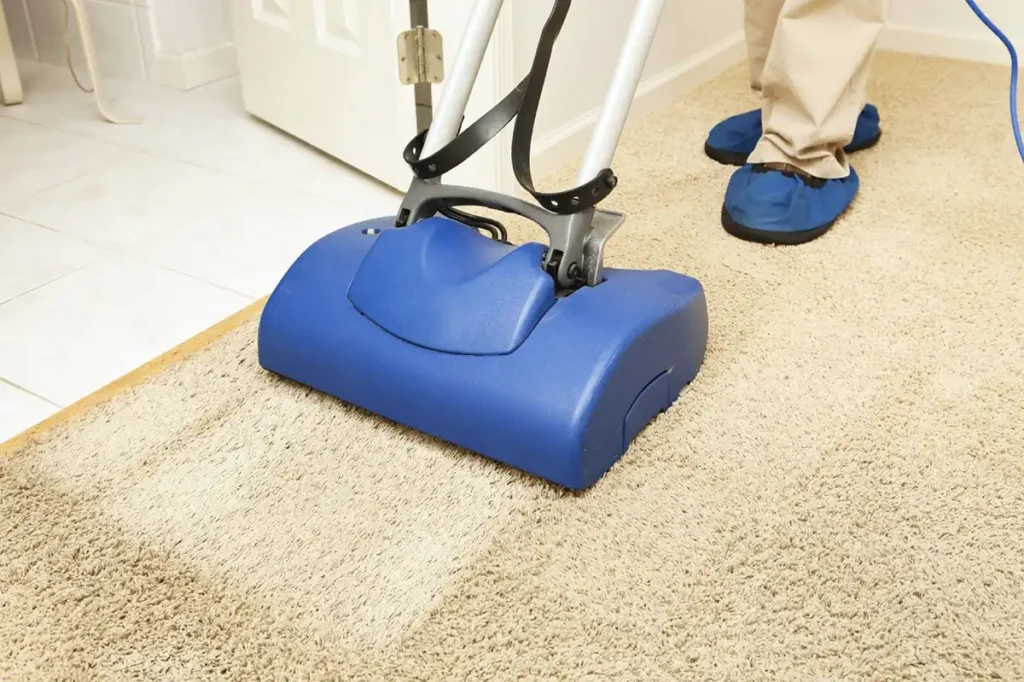
Dry cleaning is ideal for situations requiring immediate carpet usability and for moisture-sensitive fibres. In London flats, where ventilation may be limited, low-moisture methods prevent long drying times, shrinkage, or colour damage. It provides a rapid refresh for wool, sisal, and jute rugs and can be used between deep steam cleaning sessions. Busy professionals and households needing quick turnaround or interim maintenance benefit from eco-friendly dry carpet cleaning, making it a practical solution for high-end properties without compromising fibre integrity or hygiene standards.
- Immediate foot traffic is required: London flats or busy offices cannot accommodate long drying times.
- Natural fibre carpets: Wool, sisal, or jute rugs are moisture-sensitive and at risk of shrinkage or colour distortion.
- Interim freshness: Use eco-friendly dry carpet cleaning to refresh carpets between steam cleaning cycles.
- Moisture-prone environments: Older flats with limited ventilation benefit from low-moisture methods.
Method choice matters more in the cold, see whether you can do carpet cleaning in winter in london.
Why Do Experts Recommend a Hybrid Approach of Dry and Steam Carpet Cleaning?
Experts often advocate a hybrid strategy because it balances deep hygiene with practical, low-disruption maintenance. Steam cleaning every 12–18 months ensures carpets receive thorough hot water extraction, removing embedded dirt, allergens, and bacteria that accumulate over time. Between these deep cleans, dry carpet cleaning provides quick, low-moisture refreshes that maintain appearance, lift surface dust, and protect moisture-sensitive fibres like wool, sisal, or jute.
In London homes, this approach addresses both humidity challenges and busy lifestyles: deep steam sessions tackle long-term grime, while dry cleaning minimises downtime, allowing immediate foot traffic and continuous aesthetic upkeep. Regular alternation prolongs carpet life, prevents fibre stress, and optimises both hygiene and convenience, making it the recommended regimen for period properties and modern flats alike.
- Deep steam cleaning every 12–18 months for embedded dirt and allergen removal
- Interim dry cleaning for rapid refreshes and fibre protection
- Optimises carpet lifespan by reducing excessive moisture exposure
- Minimises downtime for busy London households
- Maintains both appearance and hygiene consistently over time
Your equipment options also shape the DIY carpet cleaning vs hiring a pro in London decision.
Which Common Mistakes Should You Avoid During Dry or Steam Carpet Cleaning?
Carpet cleaning in London requires careful consideration due to humidity, older property layouts, and delicate fibres. Homeowners often make errors that can compromise results or damage carpets.
1. Over-Wetting During DIY Steam Cleaning
Excess water can seep into floorboards, underlays, or even brick floors common in Victorian and Edwardian flats, promoting mould and mildew growth. Always control moisture levels and allow adequate ventilation for drying.
2. Using Harsh Chemicals on Natural Fibres
Wool, sisal, jute, and other natural fibres are sensitive to strong detergents. Harsh chemicals can fade colour, weaken fibres, or cause shrinkage, undermining carpet longevity.
3. Skipping Interim Maintenance
Relying solely on infrequent deep steam cleaning neglects surface dust and debris, which can abrade fibres over time. Incorporating dry carpet cleaning refreshes carpets between deep cleans.
4. Ignoring Manufacturer or Fibre Guidelines
Each carpet type has specific care requirements. Ignoring labels or recommendations can result in permanent damage or reduced cleaning effectiveness.
5. Attempting Stubborn Stain Removal Without Expertise
Tackling tough stains yourself, especially on delicate fibres, risks spreading or embedding dirt further. Professional steam cleaning or targeted dry methods ensure safe and effective stain removal.
Notice: Proper technique, respecting fibre type, and alternating cleaning methods prevent damage, preserve hygiene, and maintain the appearance of London carpets, especially in period and high-humidity properties.
If you’re looking for professional rug cleaning in kensington, our expert team provides tailored treatments to protect delicate fibres and restore your rug’s original beauty.
Each method has a different pace, reflected in how long does professional carpet cleaning take.
FAQs Dry Carpet Cleaning vs Steam Cleaning
1. How long does it take for carpets to dry after steam cleaning in a London flat?
Drying typically takes 6–12 hours, depending on carpet thickness, fibre type, and ventilation. Steam cleaning in Victorian or Edwardian flats may require additional airflow to prevent dampness.
2. Is dry carpet cleaning as effective as steam cleaning for pet stains and odors?
Dry cleaning refreshes carpets and lifts surface dirt, but steam cleaning is more effective for deep-set pet stains, odours, and allergens.
3. Can steam cleaning damage delicate wool carpets?
If not properly controlled, excessive moisture or heat can harm wool. Professional steam cleaning for carpets uses fibre-specific techniques to prevent shrinkage or distortion.
4. How often should I alternate between dry and steam cleaning for the best results?
A hybrid approach is recommended: steam cleaning every 12–18 months for deep hygiene and dry cleaning every 4–6 months for surface refreshes.
5. Is dry cleaning safer for luxury wool carpets?
Yes. Eco-friendly dry carpet cleaning minimises moisture exposure, reducing risk of shrinkage or colour change for delicate natural fibres.
6. Can steam cleaning remove 99% of allergens?
Professional hot water extraction effectively removes a significant proportion of allergens, including dust mites, pollen, and pet dander, improving indoor air quality.
7. Which method is more eco-friendly?
Dry carpet cleaning generally uses minimal water and biodegradable solutions, making it more environmentally friendly, whereas steam cleaning consumes water and energy but delivers deep sanitisation.