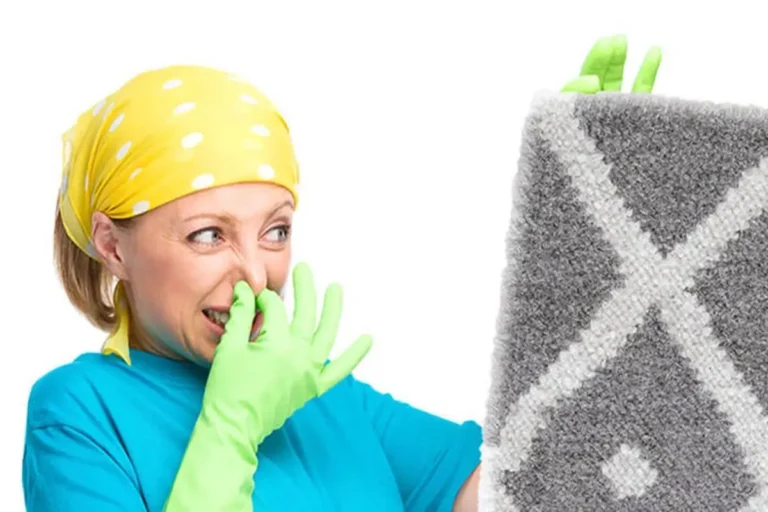
A musty or damp smell in your carpet is one of the most common issues faced by London homeowners, especially in a city with frequent rainfall, older buildings, and naturally higher indoor humidity. These odours are more than just unpleasant — they often signal moisture trapped deep within the carpet fibres or underlay, which can gradually lead to mildew if ignored. Understanding the source of the smell and choosing the right treatment, such as professional carpet cleaning, is essential for protecting your carpet, maintaining healthy indoor air, and preventing long-term damage. This guide explains the safest, most effective ways to remove odours from carpet in London homes.
What Causes Musty Smells in Carpets in London?
Remove odours from carpet effectively starts with understanding why the smell formed in the first place. In London homes, musty odours typically come from excess moisture trapped within the carpet fibres, padding, or subfloor. Because London’s weather is naturally humid and rainy for a large part of the year, even a small amount of dampness can linger and gradually cause a stale, earthy smell. This becomes more noticeable in older buildings, basement flats, and rooms with limited ventilation.
Indoor humidity also plays a major role. Everyday activities such as drying clothes indoors, cooking without extraction, or using humidifiers can push moisture deep into carpets—especially thicker pile styles or carpets with dense underlay. If moisture cannot escape, it leads to odor-causing bacteria and early-stage mildew growth, which creates the classic “old, damp room” smell many Londoners are familiar with.

Is It Just Odour or Is There Mild Mildew?
Before choosing a treatment, it’s important to determine whether you’re dealing with simple odour, early mildew, or spot stain removal. Musty smells that appear suddenly after a spill, cleaning, or plumbing leak usually point to moisture trapped in the base layers. But if the smell has a sharp sourness, or you notice green, grey, or white patches, that’s a sign of mildew.
Here’s how to tell the difference:
- Odour Only:
• No visible discolouration
• Smell is mild and improves with ventilation
• Carpet feels slightly cool or damp in specific spots - Early Mildew:
• Light patchy marks, sometimes powdery
• Smell worsens when room is closed
• Carpet remains damp even after 24–48 hours
• Pets avoid the area (common sign) - Significant Mildew or Mould:
• Discolouration is widespread
• Pile feels clumped or slimy
• Padding underneath is damp
• Smell is strong and persistent
Because mildew spreads quickly in the UK’s climate, early treatment is essential. Prolonged moisture can weaken fibres, cause permanent staining, and in some cases affect air quality.

DIY Methods to Remove Mold and Musty Smells From Carpets
If the musty smell is minor, safe DIY solutions can remove odours from carpet and help dry it effectively. These methods are suitable for light smells and early-stage dampness but should not replace professional cleaning if there is visible mildew or a strong odour.
1. Air Out the Carpet Immediately
Direct exposure to airflow is the fastest way to break down musty odours. Open windows at opposite ends of the room to create cross-ventilation. In London homes, doing this for 2–4 hours during the warmest part of the day works best. If using fans, point them across the carpet rather than directly downwards—this helps lift moisture out rather than pushing it deeper.
2. Use Baking Soda for Odour Neutralisation
Baking soda is a natural odour absorber and works well for damp carpet smell musty removal.
How to apply:
- Sprinkle a generous, even layer over the entire affected area.
- Leave for at least 8 hours (overnight is best) Remove odours from carpet.
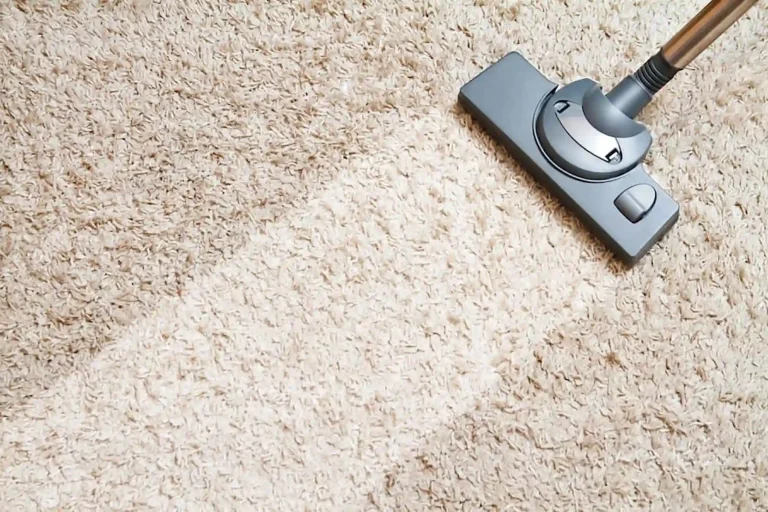
- Vacuum thoroughly using a high-suction machine.
This method is safe for wool, synthetic, and blended carpets.
3. White Vinegar Mist (For Synthetic Carpets Only)
Vinegar breaks down odour molecules and is excellent for neutralising stale smells.
Method:
- Mix 1 part white vinegar with 3 parts warm water.
- Lightly mist (do not soak) the surface.
- Allow it to air-dry naturally.
Do not use vinegar on wool carpets, as its acidity can weaken the fibres.
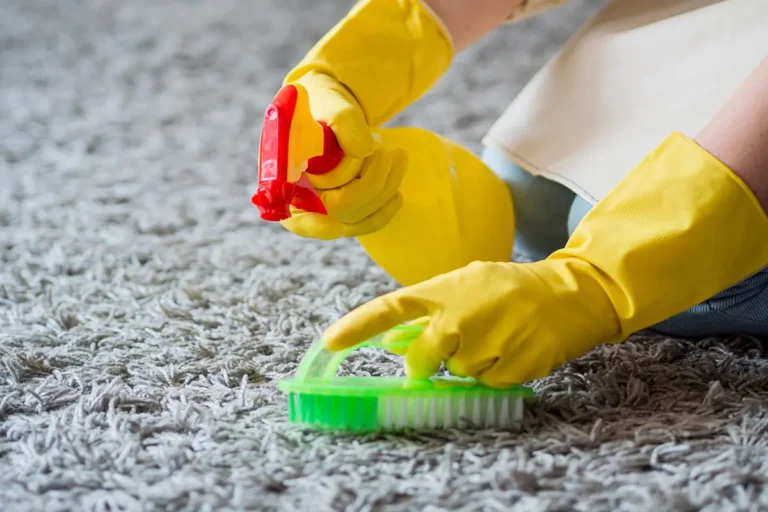
4. Targeted Spot Cleaning for Spills and Damp Patches
If a spill triggered the smell, focus on removing residue:
- Blot with microfibre towels to absorb moisture
- Apply a mild carpet-safe detergent
- Rinse lightly and extract again with towels
Quick extraction helps prevent moisture from travelling deeper into the underlay.
5. Use a Dehumidifier Near the Carpet
A dehumidifier is one of the most effective tools for removing musty smells. Place it in the room for 6–12 hours, depending on the moisture level. For London homes—especially basement flats—this step is often essential. It reduces humidity, accelerates drying, and prevents mildew growth.
6. Avoid Heat Sources (Hairdryers, Heaters, Radiators)
Direct heat can:
- Shrink fibres
- Damage adhesives
- Push moisture deeper into the underlay
- Increase the risk of long-term odour
Stick to airflow and dehumidifiers, not heat.
Professional Odour Removal Options in London
When DIY methods are not enough—or when the smell returns repeatedly—professional treatment is the safest, most reliable solution. Best carpet cleaner for mildew smell in London uses advanced machinery designed to extract moisture thoroughly, break down bacteria, and remove trapped organic matter, causing musty odours.
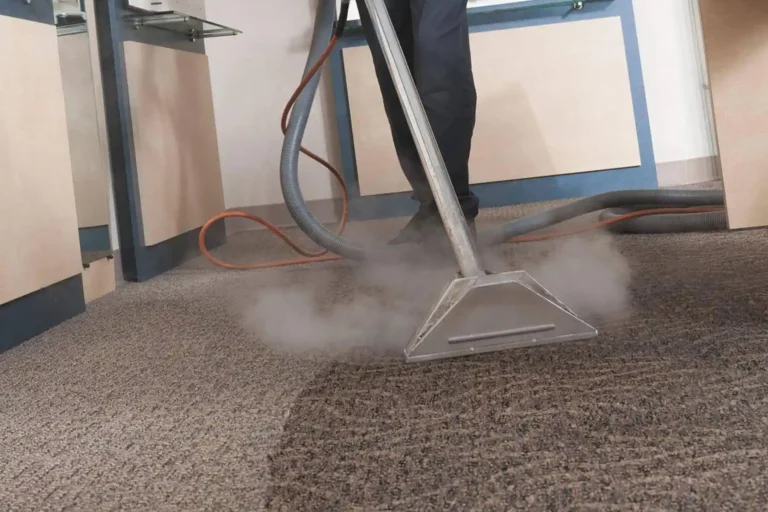
1. Professional Hot Water Extraction (Deep Wash)
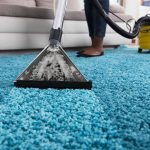
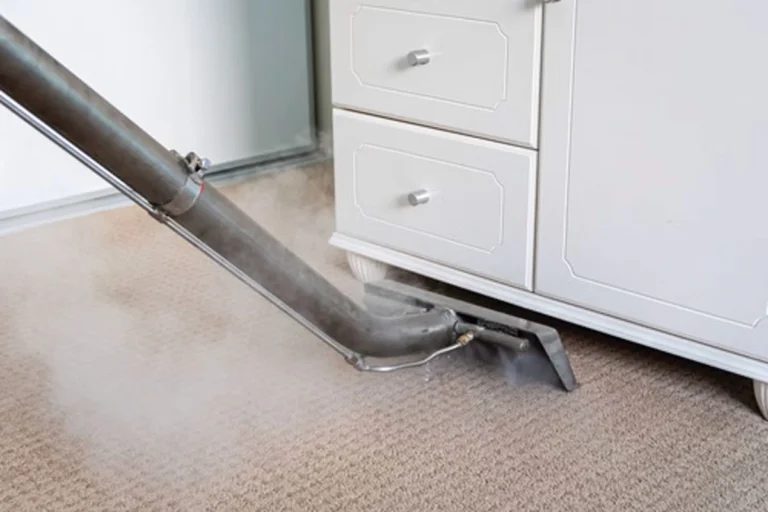
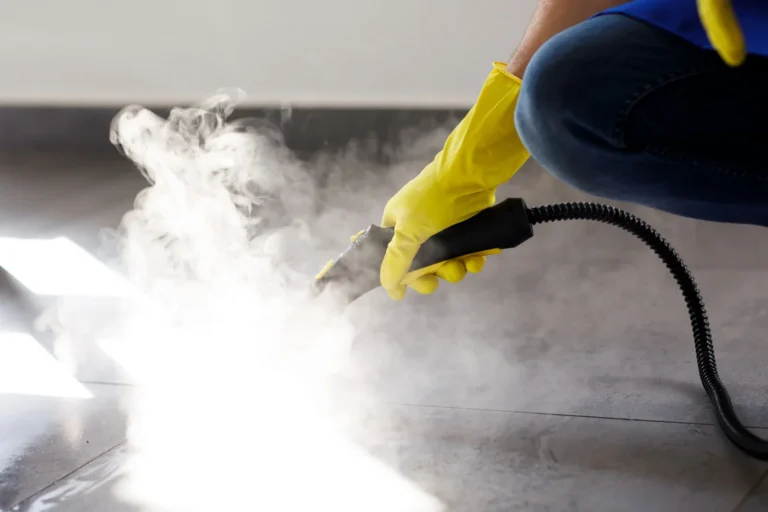
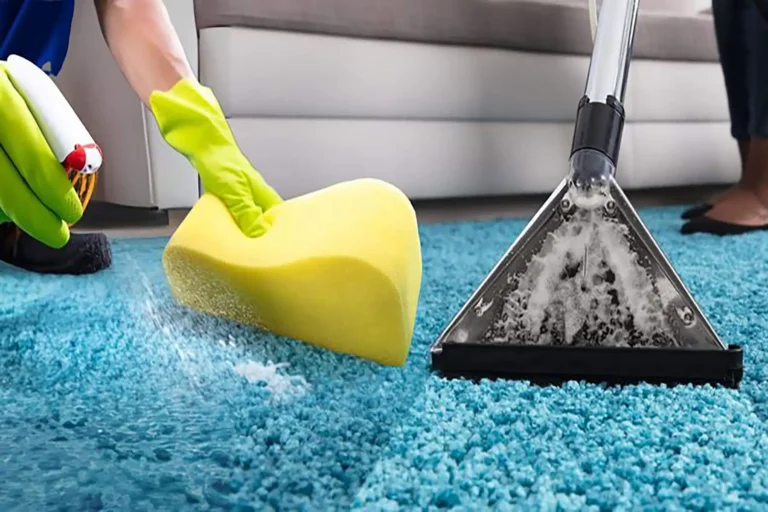
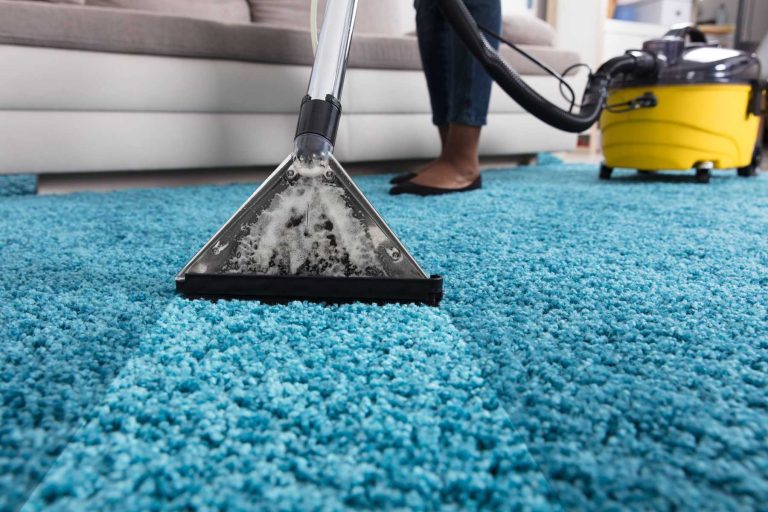
This is the most effective treatment for carpets with persistent musty smells. Unlike steam cleaning, professional HWE uses pressurised hot water to flush out contaminants and odour-causing bacteria, then extracts up to 95% of moisture, leaving the carpet only mildly damp.
This method) How to get smells out of carpet( :
- Removes mildew spores
- Breaks down embedded dirt
- Eliminates bacteria causing odours
- Protects fibres with safe, eco-friendly detergents
Drying typically takes 3–6 hours, depending on ventilation and carpet type.
2. Anti-Microbial Odour Neutralisers
Professionals apply specialist solutions formulated to target mildew and organic odours. These products are:
- Non-toxic
- Eco-friendly
- Safe for wool and synthetic carpets
- Long-lasting
They work by neutralising odour molecules rather than masking them.
3. Dehumidifier & Air-Mover Setup
Professional teams often bring industrial air movers and high-capacity dehumidifiers. These can reduce drying time from 24 hours to as little as 2–4 hours, depending on humidity and airflow.
4. Padding & Subfloor Treatment (If Required)
If the dampness has reached the underlay or subfloor, odour removal requires a deeper approach:
- Lifting small sections of carpet
- Treating the padding
- Inspecting the wooden or concrete subfloor
- Applying anti-microbial solutions
For more detailed information, you can read our article DIY Carpet Cleaning vs Hiring a Pro in London?
When You Need a Full Deep Wash

A full deep wash becomes necessary when the odour persists despite ventilation and DIY deodorising. Musty smells that return within 24–48 hours usually indicate moisture trapped in the underlay or fibres, and only professional Hot Water Extraction (HWE) can reach those deeper layers. London homes — especially converted basements, ground-floor flats, and older Victorian properties — often hold humidity for longer, making deep washing the safest option.
You need a full wash when:
- The carpet feels cold or slightly damp even after airing.
- Brown or yellow water marks appear, often indicating old moisture rising from the underlay.
- The smell becomes stronger after walking on the carpet — a sign of deep mildew development.
- Pets have had repeated accidents, as urine crystals absorb into the padding and create long-term odours.
- Window condensation is high, common in winter, and the carpet doesn’t dry naturally.
A professional deep wash removes odour-causing bacteria, residue, and moisture from the base of the carpet — results that home sprays and powders cannot achieve, especially in London’s humid microclimate.
Preventing Musty Smells in London Homes
Stopping a damp smell is far easier than trying to remove it later. London’s climate requires a few extra precautions, especially during the colder months.
1. Improve Ventilation Where Possible
Even a brief 10–15 minutes of daily airflow helps prevent humidity from settling in carpets. If windows can’t be opened due to rain or security concerns, turning on bathroom and kitchen extractors helps reduce indoor moisture.
2. Use a Dehumidifier During Autumn and Winter
Homes in London often struggle with moisture retention. A small 10–20L dehumidifier placed near the carpeted area prevents mildew, speeds up drying after spills, and protects older flooring structures.
3. Clean Spills Immediately
Address water spills, pet accidents, and drink stains within minutes.
- Blot with a dry towel.
- Avoid rubbing, which pushes moisture deeper.
- Use a mild carpet-safe solution if needed.
This prevents damp patches that later turn musty.
4. Keep Furniture Off Wet Carpets
Heavy furniture traps moisture underneath, especially in older flats with cooler floors. Always lift furniture slightly or use blocks after professional cleaning.
5. Professional Deep Cleaning Once a Year
London properties with high foot traffic, indoor pets, or limited ventilation benefit from annual Hot Water Extraction. This removes hidden residues before they turn into odour-producing bacteria.
London properties with high foot traffic, indoor pets, or limited ventilation benefit from annual Hot Water Extraction. This removes hidden residues before they turn into odour-producing bacteria. For more details on the process and time involved, you can refer to our article How Long Does Professional Carpet Cleaning Take in London?
FAQs About How to Remove Mold and Musty Smell from the Carpet
1. How long does it take to remove a musty smell?
Most mild odours disappear within 24–48 hours after cleaning and drying. Deep, mildew-related smells may require a professional wash, plus 6–12 hours of drying time.
2. Does the smell come back?
It can return if moisture remains in the underlay or room humidity stays high. Proper drying, ventilation, and dehumidification significantly reduce the chance of odour returning.
3. Can musty odours damage the carpet?
Yes. Persistent dampness weakens fibres, encourages mould growth, and can stain the backing. Treating odours early prevents long-term structural damage.
4. How long does a damp carpet smell last for?
A damp smell may linger 2–5 days, depending on ventilation. If the odour lasts longer, it usually points to trapped moisture and should be professionally assessed.