Persistent odours in rugs are a common problem in London homes, especially in properties affected by humidity, limited airflow, and frequent rainfall. Whether you’re dealing with light mustiness, lingering pet accidents, or deeper mildew smells, knowing the best way to get smells out of a rug can save the fibres from long-term damage. Rug cleaning is essential in eliminating these stubborn odors, and this guide explains when home remedies work, when they don’t, and why professional hand-washing is often the only reliable solution for wool, jute, and delicate area rugs.
Why Rugs in London Commonly Develop Musty or Mildew Odours
Rugs in London homes often develop musty or mildew smells due to the city’s naturally humid environment and the way rugs absorb moisture over time.
- High humidity in older London flats and basement-level homes.
- Rainy, damp climate making natural drying difficult.
- Spills or pet accidents that soak into the rug’s foundation.
- Poor ventilation, especially in winter when windows remain closed.
- Incorrect storage in cupboards, garages, or lofts.
Home Remedies to Reduce Musty Smells
Home remedies can help reduce light odours, but they rarely eliminate deep smells caused by moisture, mildew, or pet urine. Below are safe DIY options you can try — but note their limitations, especially for wool rugs, jute rugs, and antique or handmade rugs.
Airing the Rug Outdoors (when UK weather allows)
Airing the rug naturally can help release light smells, especially if the rug has absorbed general household odours. Place the rug outdoors on a dry, breezy day — ideally between 12 PM and 3 PM when the sun is strongest.
However:
- UK weather is often too damp, especially in winter.
- Sunlight can fade wool and natural dyes if left out too long.
- This method only helps with surface-level smells, not deep mildew.
Baking Soda for Light Odours
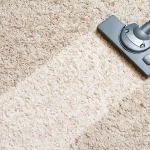
Baking soda is commonly used to neutralise mild smells caused by everyday use. Sprinkle generously, leave for several hours, and vacuum thoroughly.
But here are the weaknesses you must know:
- Baking soda cannot remove moisture trapped inside the rug foundation.
- On wool and jute rugs, it may settle too deep, making full removal difficult.
- It does not work for pet urine, mildew, or heavy mustiness.
- It only provides temporary relief, not true deodorisation.
Because of these limitations, baking soda is only effective for light odours, not deep contamination.

Using a Dehumidifier in London Flats
A dehumidifier is helpful when the smell comes from excess humidity rather than a spill or accident. Running a dehumidifier for 6–8 hours can reduce mustiness in closed rooms and help the rug dry faster after minor moisture exposure.
But keep in mind:
- A dehumidifier cannot remove mildew already formed inside the rug layers.
- It won’t help with pet urine smells, which bond chemically to fibres.
- If the rug is thick, tufted, or wool-based, the air may not reach the inner layers where the smell originates.
Good for prevention, but not a cure for deep smells.
What NOT to Use (vinegar, steamers, home detergents)
Many homeowners try DIY cleaning methods they find online — but these can permanently damage rugs, especially wool or handmade pieces. Here’s what you should avoid:
- Vinegar:
It may neutralise odours initially, but the acidity can weaken wool fibres, strip natural oils, and leave a sour smell. - Steam cleaning machines:
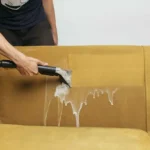
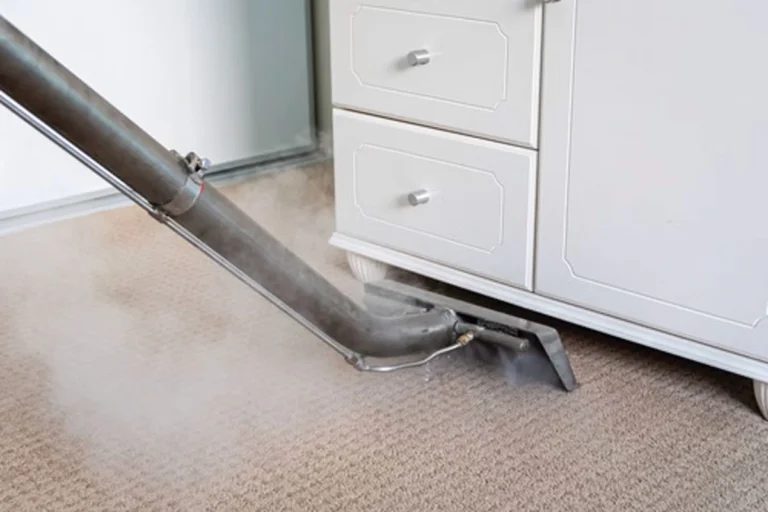
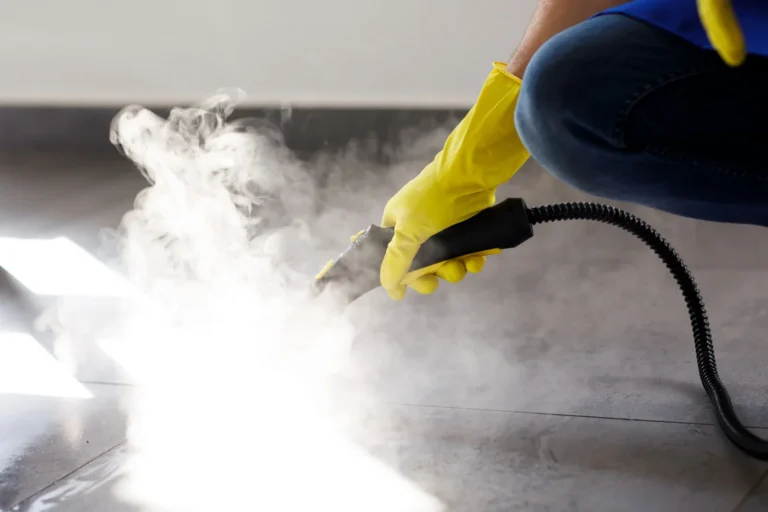
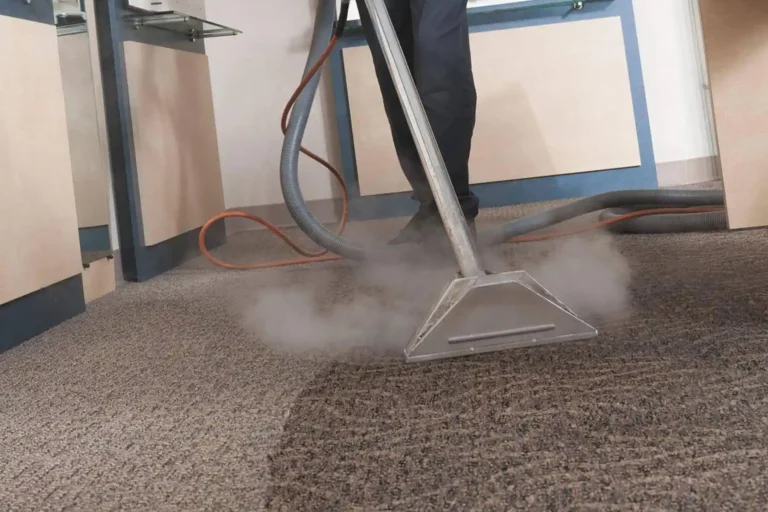
These inject heat and moisture into the rug but cannot extract it fully, causing worse mildew smells within days. Get smell out of jute rug, in particular suffer irreversible warping from steam. - Supermarket carpet detergents:
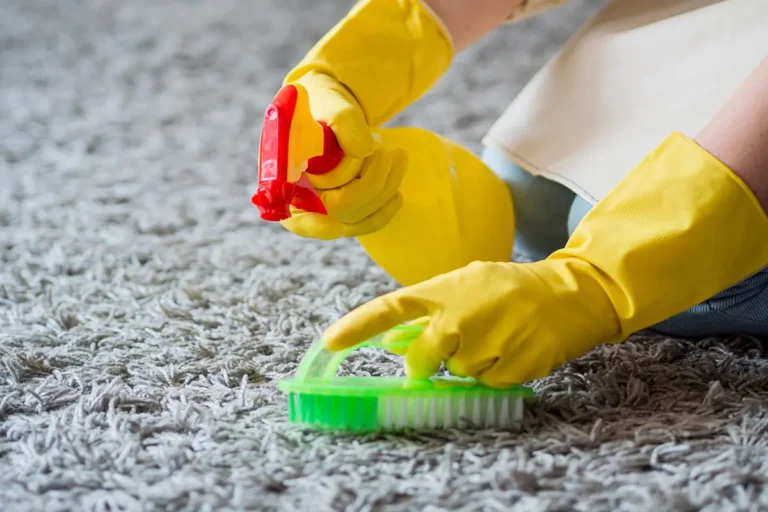
They leave behind sticky residues that trap dirt faster — leading to more smells over time.
These methods often make the smell worse and can cause permanent fibre damage.
To learn more about why hiring a professional is the best choice for your carpet, check out this article on DIY Carpet Cleaning vs Hiring a Pro in London .
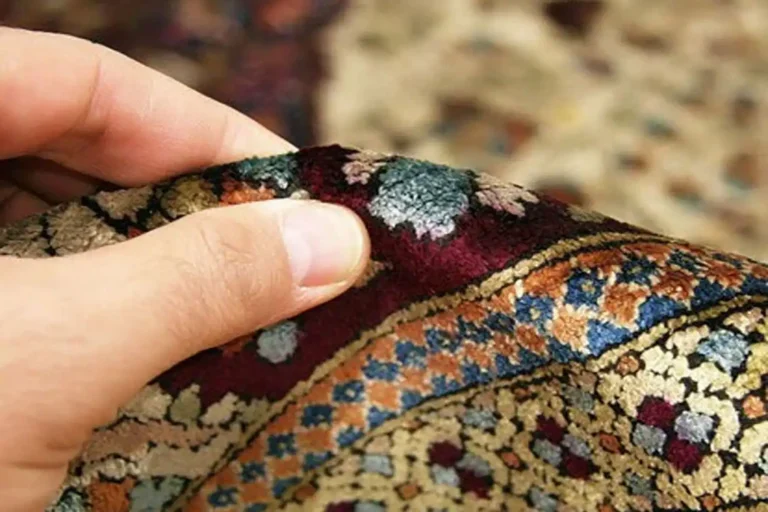
Get smell out of wool rug, jute rugs, Persian/Oriental rugs, and thick area rugs. Avoid all of the above. Professional hand-washing is the safest and most effective alternative.
Professional Methods for Removing Deep Musty or Mildew Smells
When home remedies fail, professional treatment is the safest way to get smells out of a new rug, especially for wool, jute, or delicate area rugs. In London, expert cleaners use methods that reach deep into the rug fibres and underlay to eliminate odours at the source rather than masking them.
Key professional get mildew smell out of a rug:
- Hot Water Extraction (HWE) / Hand-Washing:
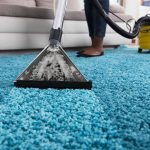
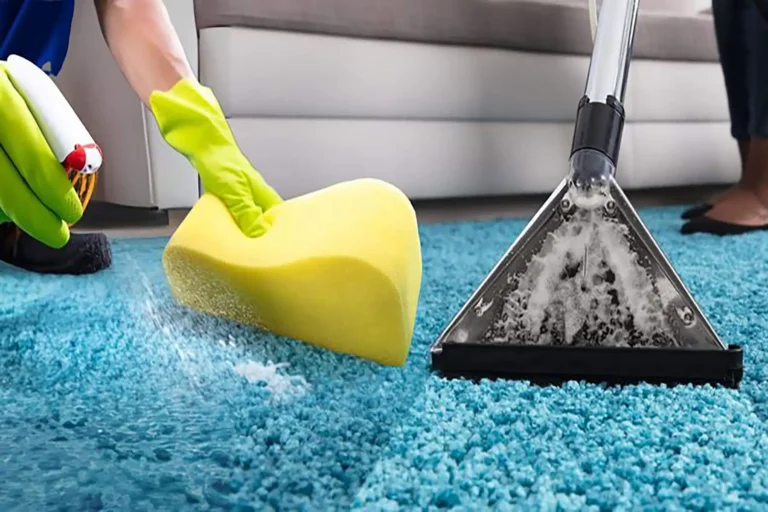
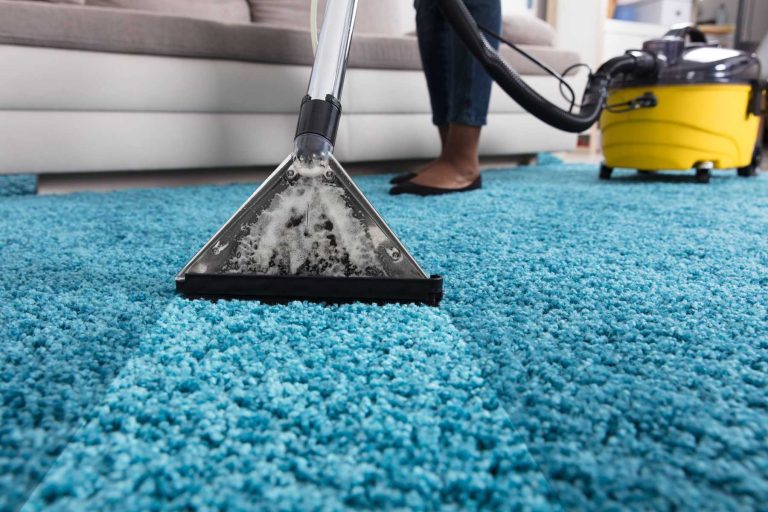
This method injects hot water with eco-friendly detergents and immediately extracts it, removing dirt, bacteria, and odour molecules. It’s effective for rugs with persistent mildew or pet urine smells. Drying times depend on rug type and thickness, but most rugs are ready to use within 6–12 hours with proper airflow. - Odour Neutralising Treatments:
After cleaning, specialists apply anti-microbial, odour-neutralising solutions to prevent smells returning. These products are safe for children, pets, and the environment. - Dehumidifier and Airflow Setup:
Professional teams often combine cleaning with high-capacity dehumidifiers and air movers, especially for thick or densely woven rugs, to ensure full drying and prevent mildew recurrence. - Padding Inspection (if necessary):
For older London homes, moisture can reach the rug’s underlay. Professionals lift and inspect the padding to treat hidden odours and ensure a long-lasting, fresh result.
Do You Need a Full Wash or Just Odour Removal?
Deciding between a full wash and a simple odour removal depends on the intensity and source of the smell. If your rug has persistent mustiness, visible mildew, or pet urine that has soaked deep into the fibres or underlay, a full professional wash is usually required. This process cleans the fibres thoroughly, removes bacteria, and prevents odours from returning. On the other hand, if the rug only has light, surface-level odours, targeted odour removal treatments may be sufficient, using eco-friendly sprays and dehumidifiers to neutralise smells without immersing the rug. However, for long-term freshness, full cleaning is generally the most reliable solution, especially in London’s humid environment.
Preventing Musty Smells in Rugs Stored in London
Rugs stored incorrectly can easily develop damp or musty odours, especially in London’s humid climate. Proper storage and regular care are essential to keep your rugs fresh, prevent mildew, and protect delicate fibres. Here are practical steps to follow:
- Store rugs rolled, not folded, to avoid creases and allow airflow.
- Elevate rugs off damp floors using slats, racks, or pallets.
- Use breathable storage bags instead of plastic, which traps moisture.
- Air and vacuum rugs periodically, even when not in use, to prevent dust and odour buildup.
- Control indoor humidity with dehumidifiers or central heating, particularly during winter months when condensation is common.
Our Rug Odour Removal & Hand-Washing Services in London

At HiCarpet, we specialise in professional rug cleaning and odour removal across London. Our team combines expert hand-washing techniques with safe, eco-friendly cleaning solutions to restore your rugs to a fresh, hygienic condition without damaging fibres.
Our services include:
- Full hand-wash cleaning for wool, jute, and delicate area rugs
- Deep odour removal treatments for pet urine, mildew, and persistent mustiness
- Dehumidifier-assisted drying to prevent mould and ensure complete freshness
- Eco-friendly, pet- and child-safe products for peace of mind
We prioritise customer satisfaction: before leaving, our technicians perform a final check with you to ensure the rug meets your expectations. With HiCarpet, your rug will not only smell fresh but also maintain its appearance and integrity for years to come.
Book a professional cleaning today and experience the safest, most effective way to get smells out of a rug in London.
FAQs About get smell out of a rug
1. How long does it take to remove a musty smell?
Mild odours may disappear in a few hours after airing or light treatments. Deep mildew or pet smells typically require a professional wash and 6–12 hours of drying.
2. Does the smell come back?
If moisture or bacteria remain, odours can return. Proper professional cleaning and good ventilation prevent recurrence.
3. Can musty odours damage the rug?
Yes. Prolonged dampness weakens fibres, discolours natural dyes, and encourages mildew growth. Early intervention protects your investment.
4. How do I remove urine smell from a rug?
Professional treatment targets the affected fibres and padding using odour-neutralising solutions. DIY products rarely remove deep urine odours completely.
5. Can new rugs have a smell?
Yes. New rugs may emit packaging odours or residual manufacturing chemicals. Professional cleaning and airing help remove these safely.